A True Friend — Lindsay Porteous!

Jack was going to do a different guest post, but news intervened – – –

One of the founding members of my old Scottish folk band ‘Heritage’ was Lindsay Porteous. Like most of us, he didn’t read music – he played by ear. But he heard things differently from the rest of us. When he played what would traditionally be considered rhythmic instruments, he would play melody on them—on jaw harps, for instance. His main instruments were the jaw harp, the mouth bow and various whistles and drums. With these he added a very particular dimension to our overall sound.

I often described him as the only true ‘folk musician’ in the band. If he had been a painter, he would have been called a ‘naïve artist.’

Lindsay lived in the Tron House in Culross, Fife, and he built an amazing collection of musical instruments, old medicine bottles, and all sorts of other things. His house featured in many TV series and movies, including Outlander and any others that required a 17th century setting.

He was friendly with, and appreciated by, many of the most revered Scottish folk musicians and became a close associate of the wonderful storyteller and singer Duncan Williamson. His jaw harp prowess resulted in an all-expenses paid trip to judge the jaw harp competition at Grandfather Mountain highland games in North Carolina some years ago, when he was able to visit his own mouth bow hero, Jimmy Driftwood.

He also traveled all over Europe with ‘Heritage,’ and there are many stories of his adventures in Italy, France, Germany, and Switzerland. One of our favorites is when his mother* packed him tuna sandwiches for a trip that provided us food money, so he didn’t eat them for five days. When he started to open the Tupperware (in our close and crowded van), we shrieked, “No Lindsay! It’s too late!”

He smiled and pointed to the words on the edge of the plastic box. “It’s okay, lads. This says it keeps food fresh for up to six days.” We cursed Lindsay and the smell all the way to our next gig.

It was Lindsay who introduced ‘Heritage’ to Ian Green of Greentrax Records which, in a convoluted way, eventually led to our final album on Robin Morton’s Temple label. Robin knew Lindsay from his time as a member of the ‘Boys of the Lough,’ when they almost included him on their first album playing jaw harp.

I stayed in touch with Lindsay until recently, and he frequently sent me CDs of his favorite music. But the most anticipated posts were his Christmas letters. Where others glorified their stories, Lindsay reveled in doom and gloom newsletters relating the various disasters of his year. Our favorite quote, one Wendy and I often said to each other in moments of peril or uncertainty, was “My sister’s house is sinking down a mine shaft. The council don’t think they can save it.”

I can only imagine what his newsletter would have said this year – – –

Probably he would be describing his arrival at the ceilidh in heaven with Mike Mustard, Jimmy Dunn, Mike Ward, Davy Lockhart, Alan MacDonald, and Dominique LaLaurie. Dominique was the French lassie who played bagpipes with Heritage whenever we went to France, and we were all in love with her, Lindsay most of all. Now he can twang along again in the heavenly choir.

*Lindsay’s mother Nora deserves her own blog post, which I will get to in coming months. A fabulous lady, she studied at the prestigious Slade School of Art in London and lived a life worthy of its own book—not to mention looking after Lindsay, who was autistic.
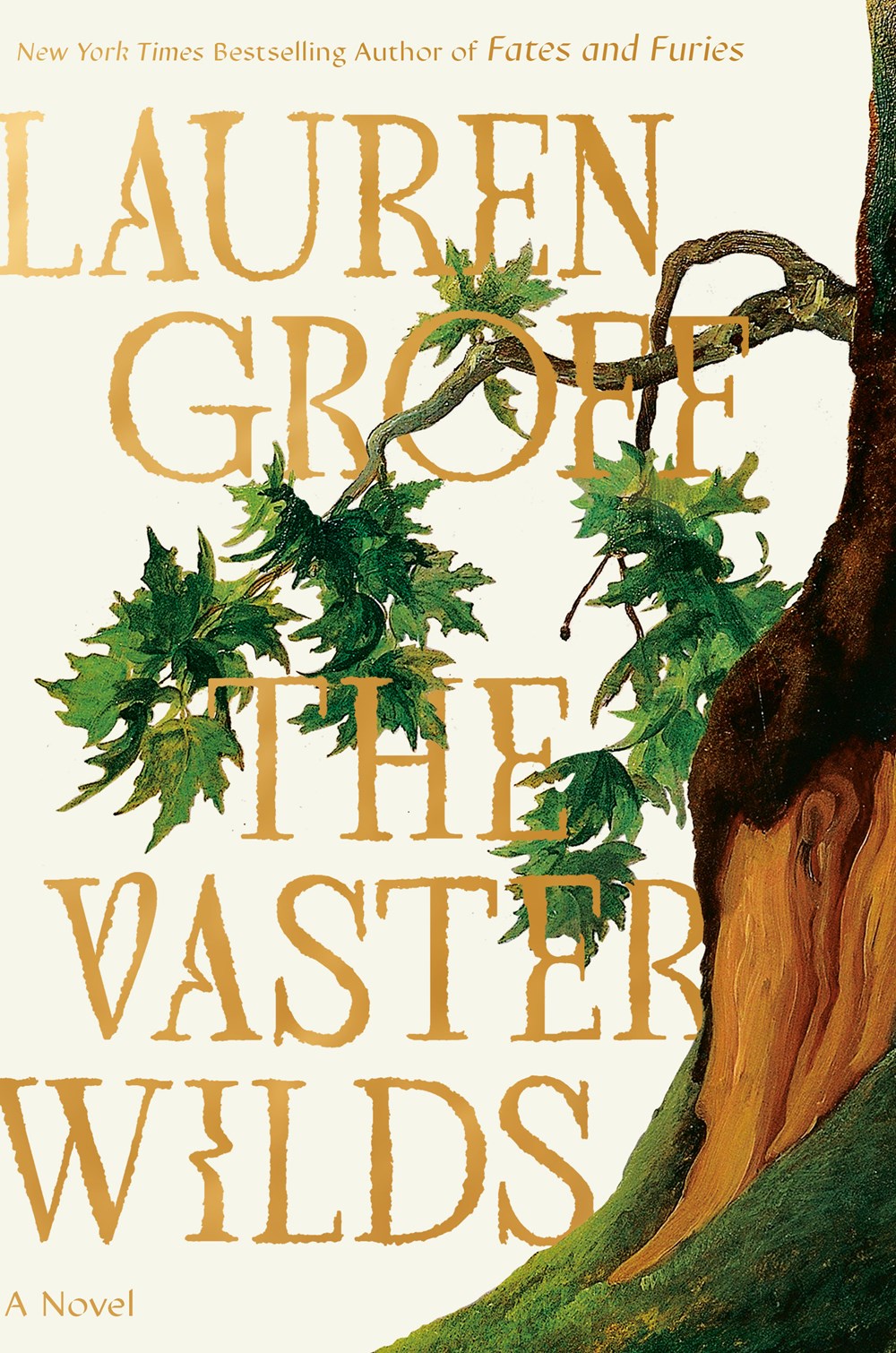
The Monday Book – The Vaster Wilds by Lauren Groff

Guest review by Janelle Bailey, avid reader and always learning; sometimes substitute teaching, sometimes grandbabysitting, sometimes selling books

The Vaster Wilds by Lauren Groff

I will read everything Lauren Groff ever writes (previously she has written, and I have read: Matrix, Fates and Furies, Florida, Arcadia, Monsters of Templeton), so I savored the anticipation of diving into her newest, receiving my copy immediately upon its publication in mid-September. (It was much fun that the BOTM Club included this in their September selections!)

Groff is a master of many components of writer’s craft–diction and language, description, imagery, and more–but it is her merging of all craft to create yet another all-inclusive reading experience and adventure that is her super successful mark, well hit, yet again.

Groff’s main character in The Vaster Wilds is a little like Frankenstein’s creature in her ambiguous identification: different people call her different names, and so none really feel like her identity, it seems. She is both on a quest and fleeing at the same time, such that the entire novel has a hurried and harried pace, despite “time” also being vague-ish.

Speaking of time, this could be old, old, old olden times or far into the future time, if you ask me. There are many things, such as the language of this woman’s life, her implements possessions and her understanding and valuing of them, along with her self-provision and independence, that could be archaic and innate or freshly feminine-independence-advanced. And as for her “name,” I’m afraid that she, as so many others, has had to respond to “Hey, you!” as well. But I’d love to discuss this Frankenstein connection with someone–Ms. Groff??–as there are other things I see/love in comparison.

This particularly pure “coming of age” story is remarkable and memorable and will linger long for me in soul-filling ways. I will definitely read it again. I see it for what it is on the page and value it on that level as a psychological adventure of sorts. And I also see it–having heard Groff in person twice–as possibly the story of “everywoman” who has to face unimaginable challenges–judgment and criticism and more–and then make very difficult decisions and learn to determine when it’s necessary to comply and when it’s better to walk–or run–away. It’s never ever known for certain whether one is moving toward something better or something worse.

I think this novel is about self-care, yet to be clear: there are no pricey moisturizers or hyaluronic acid-filled serums or lattes of any flavor in this wild place. In fact, I think it’s an entire novel with zero mention of coffee or tea or any such cozy comforts. Instead, self-care here involves seeking moments when there is rare time or opportunity–or it is safe–to remove lice and nits from clothing and hair and person, or to bathe and in the most rudimentary iteration. Self-care is critical.

While this story is about a particular female in a particular situation and time and place, and told in a rather raw way, well…I think many of us have been there in some figurative ways. May we all find this kind–yet via not at all this kind of literal trauma or treatment–of peace, and preferably with a whole lotta life ahead to live…and in a thriving, self-caring way.

Having met this “girl” or woman–Lamentations, Zed, “everywoman” by my calling–I remain on my own personal mission to take good care of my “self” while also valuing the company of others and doing and being my best by–and for and with–them as well.

Come back next Monday for another book review!