
The Monday Book – I Have Some Questions For You by Rebecca Makkai

Guest review by Janelle Bailey, avid reader/ever-an-educator/lifelong learnerand also now 7th grade ELA teacher and part-time bookseller

I Have Some Questions For You by Rebecca Makkai
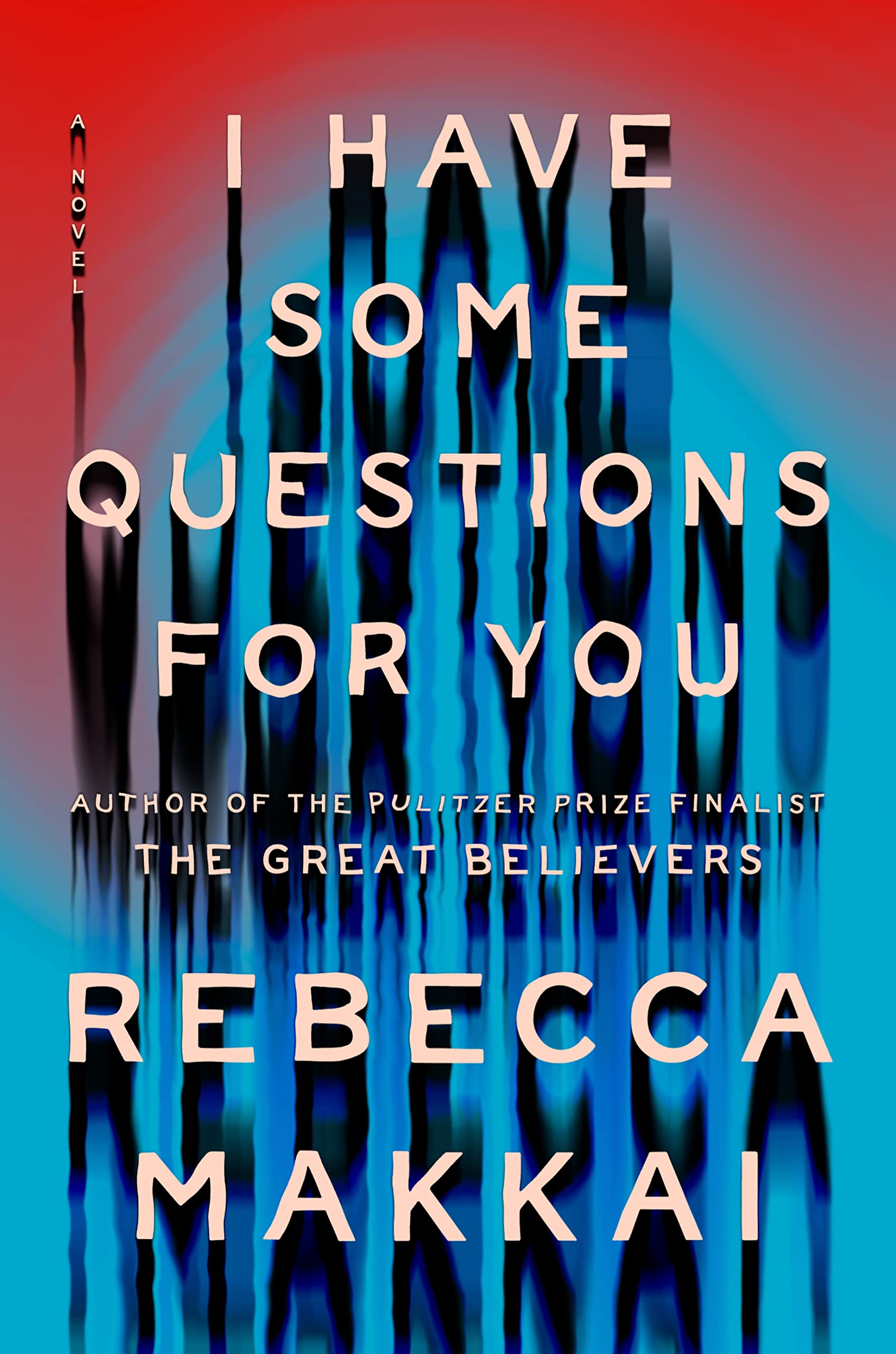
Rebecca Makkai is one of those authors who, though she’s only written a few books, prompts me to be eager to read anything and everything she writes. I had already very much “enjoyed” (as much as one can, a book about the AIDS crisis of the 1980s in Chicago) her The Great Believers before getting to hear her speak in a small and intimate setting at the Wisconsin Book Festival.

And hearing about her writing process and learning about all of her work and research that had gone into that book easily convinced me that she knows what she’s doing, that I can trust her writing, and will–as I have already said–read everything she writes.

I feel exactly the same about those statements after finishing I Have Some Questions for You. Wow, is this ever an interesting and compelling read! And I am not one who chooses to read mysteries, as a rule. And maybe that’s not the best way to reference this one either. Yet maybe it is.

The main character and our narrator, Bodie, is twenty years out from her New Hampshire boarding school career and the death–murder?–of her former roommate in school in the spring of their last year of school there. A man who’d worked as an athletic trainer at the school, Omar Evans, has been in prison for that crime and ever since, though there is a lot of concern and skepticism, especially now, about his wrongful imprisonment and the sketchy means used to get a confession from him way back then.

The perspective of the novel is extremely interesting, utilizing second person “you” as it directly addresses a particular “character” from that time in all of their lives.

And from there I say little else more…just that this is a very interesting and thought-provoking book, and I cannot WAIT to discuss it with my book club. Until then, I have little else to say but: hope you read it, too, and then PM me for our own discussion, please.

Ask a Polite Question

This month I’ve had two moments in projects I was involved in when the path forward was clear: run away.

In the first instance, someone in authority said something that seemed both pointed and rude. Passive aggressive. A rush of anger carried me to pick up my phone and type a withdrawal from the project they were in charge of, one that burned five months of my life with no result.

But I waited 24 hours before sending, mostly because I have good friends who give good advice, and that’s what one of them said to do. Then, instead of firing off the fiery missive, I called the project management team and asked if that particular event had seemed off to them.

Why yes, it had, and they’d been wondering if anyone else had noticed. A few questions passed back and forth, and within two days I discovered that not only was I frustrated, but EVERY SINGLE new contractor hired on the project had been sharing my experience – nothing was getting past the gatekeeping people who ran that workshop full of passive aggression.

Well now….. within another day, the new contractors had new contracts. It startled me, how
straightforward it was to say ever so gently, “Perhaps there is money to be made in prolonging a problem rather than solving it.” And to hear laughter coming from the project management headquarters as the manager assured me they had been wondering the same thing.

It’s not that we took down a bad guy; the “you ain’t getting past us” people weren’t doing evil; they were doing what they thought their jobs were, following what they considered best practice. Thereby killing all the creativity of the contractors. When everyone sat down and had a chat, things opened up. Best of all, none of us who answered a genuine call for how our experiences were going (Ummm, they aren’t?) got in trouble. It wasn’t whistle blowing, more like humming a note until everyone could catch it and harmonize.

Not long after, I sent an email asking for information in a volunteer group, info it seemed other people already had because it involved which members of the team did what, and I had come to the party late. Crickets. I emailed again, saying ever so diplomatically that a volunteer asking for information was a good sign, because it meant new blood, which meant continuity and vitality and more people to share the load.

A swift and thoughtful reply came back, not only giving the info but filling in a large piece of how the remits fit together. Friendly. Professional. Kind. Not making a big deal of anything.

I used to be the person who sat at the back of groups and thought up snarky questions, which I then convinced myself I was too shy to ask. When that changed, I don’t know, but the polite clarification role does seem to be working. On the heels of these gentle successes, I feel like a frigging union organizer. All hail, the power of polite questions!