It’s Jack’s Wednesday guest post –
For twenty five years I was both a professional educator and a learner.
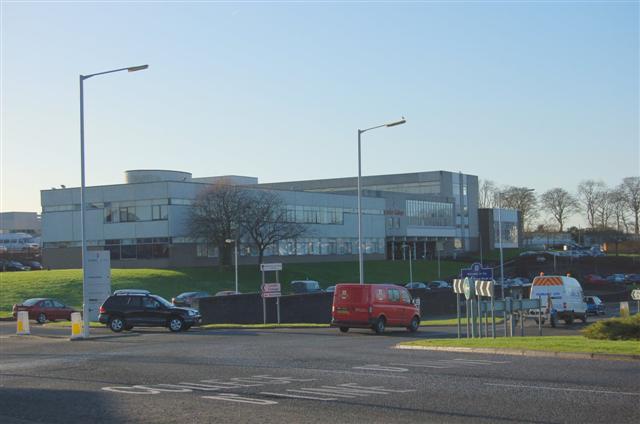
When I undertook teacher training in Glasgow some of our lectures concerned the difference between education and learning. Others encouraged us to examine to whom we were responsible – I was paid by the Scottish Government, most students were teenagers but some were mature. Many attended part-time because they were employees of local businesses. To whom did we owe our responsibility? Government, parents, employers or the students?
I progressed from lowly part-time house painting instructor to head of the construction trades department and, after a hard fought MBA, professor in management studies.
Through all this there was something that became a ‘buzz phrase’ – Life Long Learning.
I was an example because I was sent as part of my 6 year apprenticeship to the local college and found that they also ran evening classes where I finally got the qualifications I’d miserably failed at in school. The Scottish college system was an important second chance and eventually a life-long chance for me.
But – but – –
I realized that learning isn’t confined to the classroom. We all learn from the time we waken until we go back to bed at night. My students were learning in the bus on their way to the college, as they walked up the corridor, in the canteen at lunchtime, at the nightclub in the evening and at the soccer game on Saturday.
I also found that I wasn’t just teaching a curriculum. I was setting an example and being a role model. I remembered, when I was an apprentice and attended the same college, that there was a young new lecturer. I was impressed by him – his knowledge, his skills and even the way he dressed. He was my role model!
It was much same for me at high school – it was the characterful teachers that I learned most from, and not necessarily their particular subject.
So I introduced two exchange programs – one with a college in Denmark and another with a college in Slovakia. Although the official focus was on environmental issues, the real purpose of both was to provide an opportunity for students to experience a completely different culture. The difference in all the participants on their return was remarkable. It most likely changed their lives and was a great example of learning outside the curriculum.
At the same time I was managing a number of experimental environmental education projects funded by the EU and working with partners all over Europe, as well as traveling there with my folk band ‘Heritage’. So my horizons were also widening and my learning continued.
It’s been almost twenty years since I retired from Lauder College but it changed my life in many ways and it still does!