I’m spending time with the parentals while Dad recovers from surgery, so not getting a lot of reading done just now. Which is how I discovered what fun the Netflix series Anne with an E is. 
Now in season 3, the series is based on Lucy Maud Montgomery’s best-selling classic series Anne of Green Gables–and a thousand other places. Montgomery wrote 11 books about Anne and her family, plus a couple of spin-offs regarding other characters.
The books are so sweet you kinda need to wash your mouth out with dirt afterward. Think Sound of Music without the dancing. The series…. well, it’s been updated. And as much as that word usually signals movement in the opposite direction, upgraded.
Picture the producers’ meeting: we need to get this series into the 21st century while leaving its character in the 1800s. Whadaya got? Desperate to go to lunch, the hapless interns and newbies produce: a gay character who needs to move to the city, an Indian village that causes people to examine their attitudes toward others, child abuse and sexualization handled with more sensitivity than usual, black-white friendship in a rural area, and the emancipation of women before they could vote. They’re handled well, not stuck in to make the series work, but working within the boundaries of the series’ timetable and social mores.
Anne Shirley, the orphan child taken in by accident when a brother-sister duo running a farm decide they need help and can’t afford to hire it, is the Canadian equivalent of Laura Ingalls Wilder in many ways. The Little House series produced one of my favorite TV land quotes ever. Michael Landon, who played Pa but was also one of the executive producers, was asked once why the series deviated so much into, well, child abuse and women’s rights and black-white friendships, when those weren’t in the books.
His answer was glorious: “There’s a whole chapter in On the Banks of Plum Creek called ‘Laura Catches a Frog.’ You think you can hold an audience with that topic for an hour?”
Anne with an E is charming, true to its time period in background and setting, filled with enough updates to upgrade it well, and a really nice escapist series. Highly recommended.
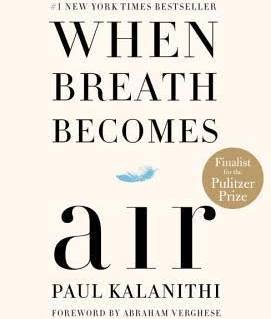 A surgeon used to the negotiation between buying people time and curing them suddenly finds himself in the same position. And sums up the advice he’s been giving, the thoughts he had on this moments, from both sides.
 Wendy Welch: Books, Yarn, Cats, Opioids