
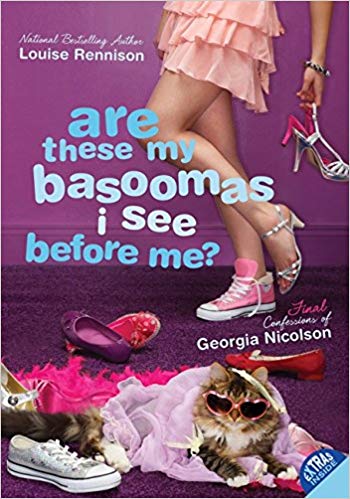
 Louise Rennison wrote ten books about her heroine Georgia Nicholson, a typical English teen who kept adults laughing. From titles like Away Laughing on a Fast Camel to Then He Ate My Boy Entrancers, she captured the worst of being 15 and made it funny.
I got the last of the Georgia books out of our local library a week or two ago, just to see if the magic held. Yep. Georgia utters lines like “Everyone is so obsessed with themselves nowadays that they have no time for me” and “He said, ‘Hi, gorgeous,’ which I think is nice. I admire honesty” with her usual bluster and bravado.
Plots aren’t really a part of the Georgia mystique, although this one is ostensibly about putting on a production of Hamlet at the all-girls Catholic school. Really, though, each book is about boys, snogging, lip gloss, and great shoes. It’s just that Rennison is soooooo funny you don’t care. Each book is written like a diary, with entries such as
12:01 “I hate him.”
12:04 “Hate is a bit strong. He just rang up and asked me out again.”
That kind of sappy, hormone-driven humor has always been Rennison’s strong point, but apparently when writing Basoomas, she knew she was finishing the series, because where she’d held back before, she didn’t this time. All her books had a gentleness toward sex and snogging that let teachers at least pretend they could be used in literature class, but Basoomas never misses a joke. Talking about the band finishing up practice, “I waited while the Lurve God put away his equipment. (Leave it.)”
Etc. etc. for a hundred pages or so. If you want some escapist, snort soda through your nose laugh out loud fun, pick up a Louise Rennison novel. She died in 2016, so enjoy the ten that are around, and have fun.
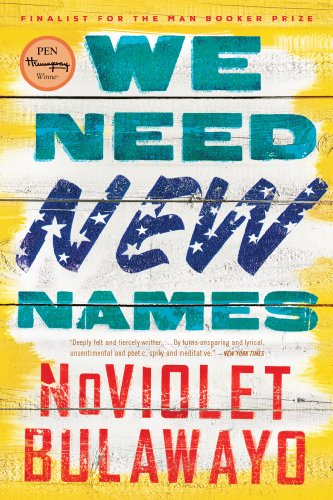 I got this book out of the library on CD to keep my company careening up and down I-81. It was very good company indeed.
 Wendy Welch: Books, Yarn, Cats, Opioids