The Monday Book: NOT TOO TIRED TO CARE by Angela Thomas Jones

Happy Publication Day to Angela Thomas Jones, who has written a help book for health professionals on the edge of burnout. Angela was invited to provide information for today’s Monday Book. Here is her press release:

PRESS RELEASE

New Hampshire author Angela Thomas Jones of Bethlehem released a new book with Amazon Sunday November 29. Foreword written by Dr. Art Hengerer, MD co-lead of the National Academy of Medicine Action Collaborative for Clinician Well-being and Epilogue by Michael Meit, ETSU Center for Rural Health Research and his team from Kentucky. NOT Too Tired to Care chronicles how a grassroots movement in the northern rural region of NH based on data showing many health care workers are burned and NOT talking about it for fear of losing their job.  This book weaves research and data with real-life experience into a recipe that will boost your natural ability to move from survival mode to thriving and sustain the long haul. Studies suggest 20% compassion satisfaction in our total workload is necessary for maintaining resilience to keep burnout at bay.Learn how to deepen your capacity for compassion satisfaction by using a simple 4-step evidence-informed practice called HomeBase. Angela has led her colleagues to join the Action Collaborative on Clinician Well-Being and Resilience founded in 2017 by the National Academy of Medicine. As a licensed addiction professional with three decades of experience on the front lines specializing in trauma-sensitive mind-body practices, she is helping individuals, families, and organizations deepen their capacity for compassion satisfaction. Step by step instructions for how to join this national movement for Well-Being and Resilience are included. Hear what others are saying about NOT Too Tired to Care.

Subscribe at https://www.nottootiredtocare.com/book and receive updates and access to receiving a FREE electronic copy of the book.

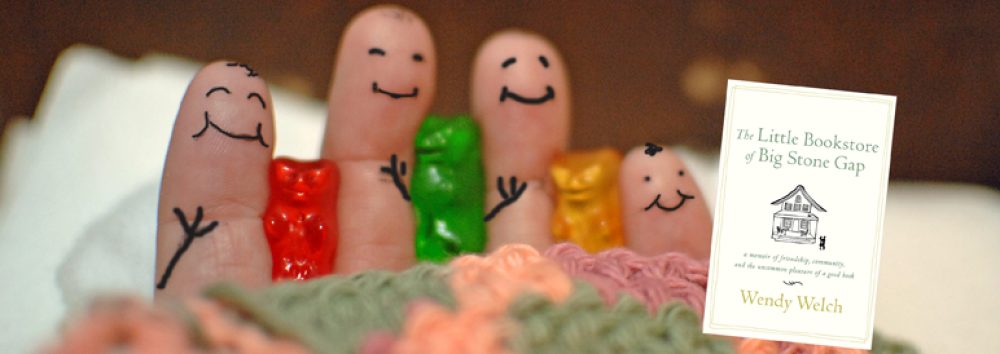
“Thomas Jones has captured a hidden and essential truth in America’s healthcare system: those holding it up are exhausted. Healthcare professionals will find solidarity and self-care suggestions alike in her work.”  Wendy Welch, author: From the Front Lines of the Appalachian Addiction Crisis and COVID Conspiracies.

“In these unprecedented times when social isolation, the rise in suicide rates, and a spike in behavioral health issues are gripping this country, along comes this book offering helpful techniques to guide each of us so we can actively learn to take care of ourselves which will better prepare us to take care of others.”                        

Linda Massimilla, Vice-Chair States/Federal Relations and Veterans Affairs Committee, Grafton 1 New Hampshire State Representative
Up, Up, and Away – –

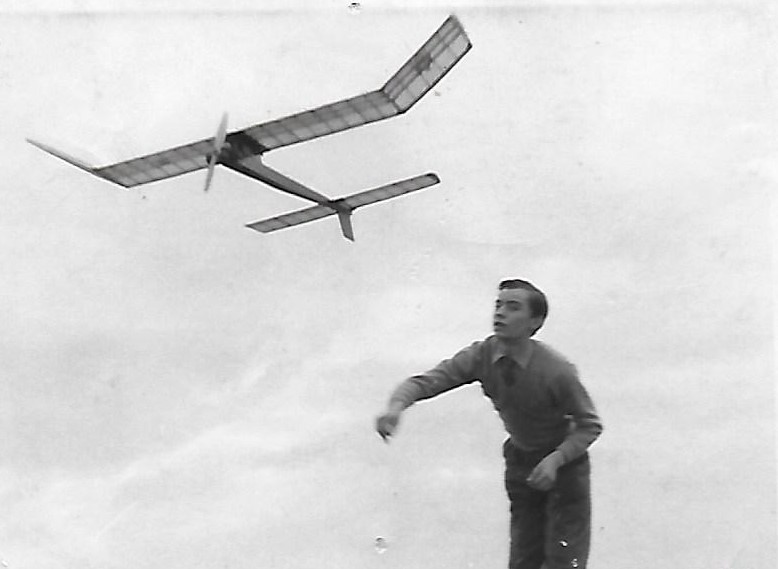
Jack makes it in time again – just – – –

I came across a photo recently that brought back many memories of one of my teenage passions.

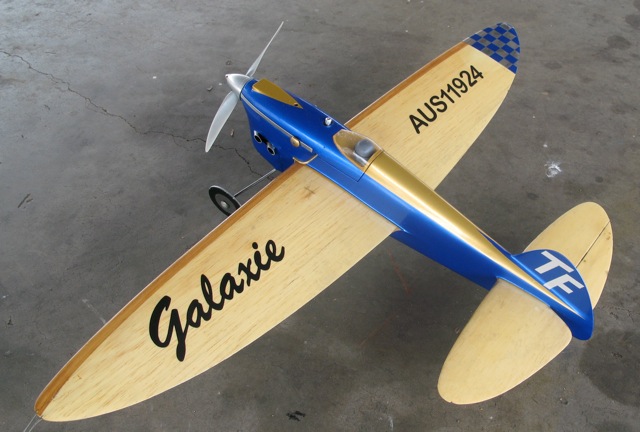
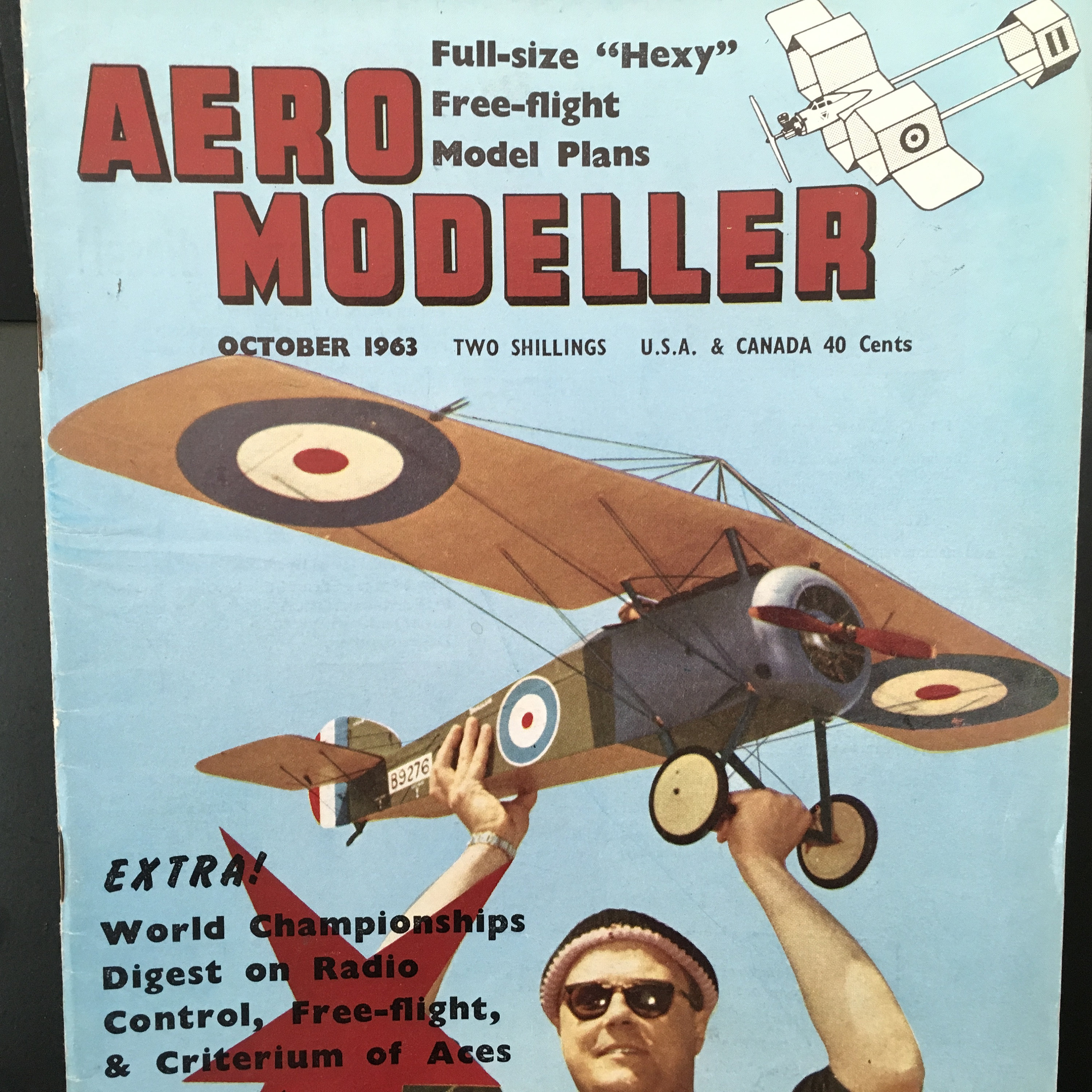
I think I was first introduced to the magic of flying model planes by my Dad – he was recuperating from two broken ankles and built a model glider from a kit. Then a beloved woodwork teacher at the high school I attended started a model building after school club when I was about thirteen. He and some of his adult friends went on to establish Dunfermline model aircraft club and rented an old empty house in a village just outside town. I joined that and could go there any time to work on my models or just hang out with my pals. We also shared copies of two popular specialist magazines – Aeromodeller and Model Aircraft.

We lived on the edge of town with fields right behind the house where I could test fly my planes, but the club had permission to fly on farmland further away. So most weekends when the weather allowed I would walk the thirty minutes to the clubhouse and then a further thirty minutes to the flying site.

Most years a group of us would rent or borrow a van and drive to the Scottish and British championships, although we rarely won anything.

I was most interested in two specialist types of planes – competition free flight and ½ A team racing. Free flight involved the model corkscrewing up vertically under power for 15 seconds and then gliding for as long as possible in circles. You were allowed three flights and if any exceeded three minutes that was termed a ‘max’. All those that got a full set of maxes went on to the next round and so on until you had a winner.

But there was one member of the club who was a few years older than me that became a big influence on me. He introduced me to jazz music and he was snappy dresser, so of course I became a snappy dresser too! Ian wasn’t interested in free flight; his passion was team racing. This involved planes flying very fast (80 – 100 mph) in a circle aiming to be first to finish. They were ‘control line’ models (U control in the US), with the pilot in the middle of a 100 foot circle holding a U shaped handle with two thin wires attached to the plane which controls the up and down movement. The models have a specified size, engine capacity and fuel tank capacity. Up to four planes fly simultaneously with all the pilots entwined round each other in the middle. I was the ‘pitman’ and my job was to refuel the racer and restart the engine while dodging the other ones flying over my head.

I continued as a member of the club until I was about twenty and over time there began to be quite an overlap between models, jazz and eventually folk music.

That link eventually re-emerged when I was booked to sing at Dunfermline folksong club about twelve years ago. My old high school woodwork teacher, George Simpson, was in the audience!

Many years later and after I retired and moved to the US I revisited my teenage passion and discovered that electric motors had taken over as well as cheap and easy radio control. Much less messy and much less likelihood of losing models – or breaking a finger with a back-firing diesel engine!