
A friend reposted this blog I did five years ago today. And she’s right – it still fits.
 Last night Jack and I sang for the St. Patrick’s Day event at the Fox House, home of another author who lived in Big Stone Gap. I wandered into his study before the event, feeling for a vibe. Didn’t really get one, but the house was full of people drinking green beer, so contemplation might not have been a good goal at that moment. But it was a lovely gig, a strong community pulling together, singing harmonies to the choruses, all sweetness and Picardy Thirds.
Walking home afterward, I realized how clear the night sky was–no moon, no clouds, every star hanging as if 12 feet above our heads. Back at the bookstore I dropped off my harp and hopped into our car to make for the reservoir, where there are no city lights whatsoever.
It was a strange drive. That’s not a road I’m very familiar with and it is full of hairpin curves up a wooded mountain. In the headlights, trees, a passing deer, even the road itself, were all monochrome pale black against the dark. The headlights barely cut into the next curve, and every time I swung the car I saw another row of those ghostly grey trees, hedging me in. A bit eerie. One starts to think about motor trouble and men with knives and rabid things in the woods…..
It began to feel foolish, this solo drive up a mountain on a fool’s errand. I pulled into the reservoir, hoping for enough clear space to see the night sky, turned off the headlights, cut the motor–
–and the stars came flooding in, past the windscreen, right past my eyes as though they wanted inside of me. Thousands of them. Constellations I’ve known since a child and many more I didn’t, all dancing together the instant the lights went out. Just like that.
It’s amazing how quickly some things change. All the turns in the road, the guardians at the gate, the grey washed-out things, they disappear. And there you are with all that glorious hidden brilliance suddenly in front of you, so bold and bright and beautiful you’re amazed you didn’t see it before. That you doubted it was there.
I love watching the night sky. It gives that combined feeling of confidence in the hands of a God who knows you, and humility at being a very small part of a Big Thing. You’re not the center of the dance, but you get to be in it. And whether you see a thing–the night sky, a pattern, a plan–or not doesn’t change its being there.
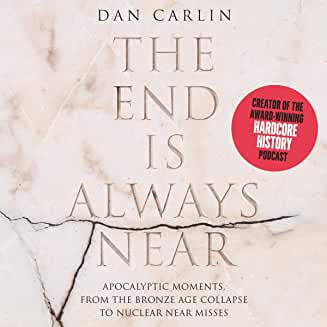 This week’s Monday book comes courtesy of Paul Garrett, who has a wicked sense of humor….
 Wendy Welch: Books, Yarn, Cats, Opioids