
The Monday book comes to us courtesy of Paul Garrett this week. Enjoy!
 Charles Kaiser’s work, The Cost of Courage (Other Press, 2015) focuses on one Parisian family during the occupation of France from 1941-45. Of the six family members, three fought in the resistance but all paid the price.
At the beginning of the occupation, the parents, Jacques and Helene Bulloche are upper middle-class professionals. Their two sons Andre and Robert work for the French government. Their daughters Christiane and Jacqueline are in school. The three youngest children all join the resistance. Andre pays for his decision by being shot, tortured and eventually put in a concentration camp, which he survives. The two sisters play supporting roles; ferrying messages and contraband weapons around Paris. As the war draws to a close, their parents and older brother are all arrested and sent to Germany to be tortured (Helene is eventually waterboarded). None of the three survive.
The surviving siblings rarely talked about their experiences. One example to the contrary was when Andre gave his only daughter Agnes chilling advice after she was beaten during a protest march.
“…If you carry a weapon it is always to kill. Do not think it is to defend yourself. If you draw your weapon never get closer than three meters from the person you want to kill, because otherwise he can take your weapon from you.”
Though he had a successful political career after the war, Andre never fully recovered. He always wore a crew cut and black necktie in memory of those who did not survive. He was brutal to his children and filled with rage which he took out on other drivers. Christiane never spoke of her war years until, as an elderly woman, she wrote a 45-page memoir which was part of the genesis of this book. The work reminds us that often in war even the winners lose, and the cost of courage is sometimes nearly too much to bear. This is a great book for anyone interested in the unsung heroes of the war.
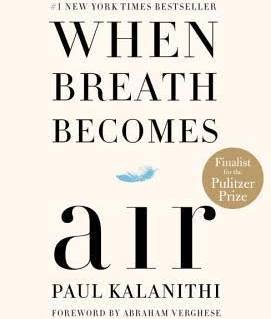 A surgeon used to the negotiation between buying people time and curing them suddenly finds himself in the same position. And sums up the advice he’s been giving, the thoughts he had on this moments, from both sides.
 Wendy Welch: Books, Yarn, Cats, Opioids