
My Salinger Year by Joanna Rakoff
Just to confuse everyone, Jack’s Wednesday blog post is the Monday book – –
The first thing to say before I get going is that we already knew that this book is set in the offices of the agency that handled the launching of Wendy’s best seller, ‘The Little Bookstore of Big Stone Gap’. Although the agency isn’t actually named in the book it’s a very open secret which New York literary agency it is. We are both, therefore, familiar with the rather old fashioned but cozy interior and the amazing collection of books lining the walls.
This is really at least two intertwining stories and I’m not sure that’s done terribly well. One is very much about the culture and characters of the agency itself, while the other is focused more on what’s going on in Rakoff’s life.
The first half of the book is mainly about her success in finding a job at what she refers to simply as ‘The Agency’, discovering how hard it is to live frugally in New York, getting to know her co-workers and being groomed by ‘The Boss’. I have to admit that I found that strand of the book unnecessarily gloomy and dark, as that’s certainly not what we experienced on or visits to the place. Something else that emerges in this early part of her book is the impression that the only famous author represented by the agency is JD Salinger, which is simply not true.
Her main job is to send form letters to fans of Salinger, who refuses to engage with them and is somewhat reclusive. She eventually strikes up something of a relationship with him on the phone and is finally on first name terms with him (Jerry and Joanna).
For me, the book really only takes off about halfway through when we begin to discover what’s going in Rakoff’s personal life. This strand is all about the self-discovery that anyone over the age of thirty will find excruciatingly familiar. It’s all about growing, maturing and making difficult decisions about what you want to do with your life.
The book ends with a jump forward to a married Rakoff with a husband and kids and a successful career as a novelist, poet and journalist.
I didn’t find this book disappointing overall, but I did find the beginning a bit heavy going.
6 out of 10 from me!
PS – it’s The Harold Ober Agency and Wendy’s agent doesn’t work there any more – – –
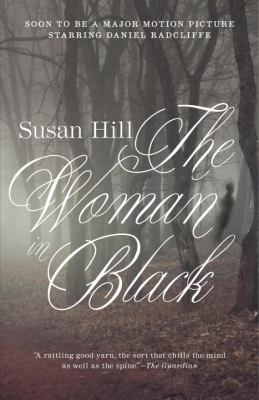 The Woman in Black by Susan Hill
 Wendy Welch: Books, Yarn, Cats, Opioids