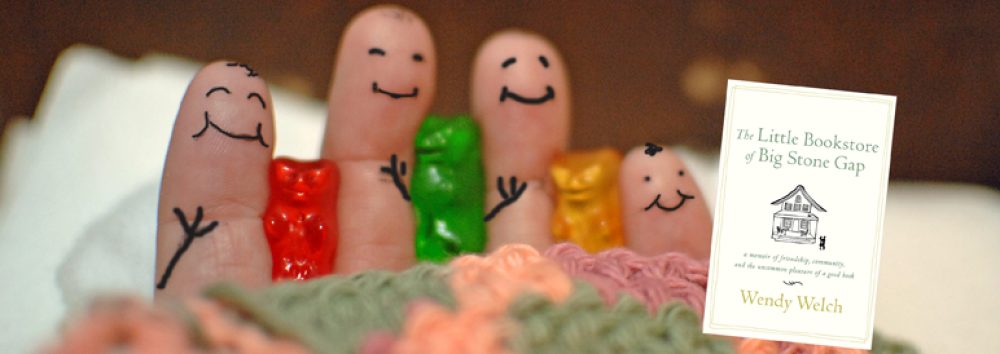
Jack scrapes in under the wire as he does – occasionally – – –
I’m involved in a couple of interesting projects right now – one is a video documentary of my life by my friend Dirk who engineers my weekly radio show ‘Celtic Clanjamphry’. The other is helping an older friend with his attempt to chronicle the early days of the Scottish folk revival in the late 1950s and early 1960s.
Being of a certain age, now myself, there’s a good deal of poignancy as well as pleasure in recalling many happy memories of other friends, some of whom are no longer with us.
One of those is the wonderful singer Gordeanna McCulloch who was laid to rest just this morning in her beloved Glasgow.

Gordeanna with Wendy at our wedding. She let us use the pic for a story and song cassette.
She was one of the guests at our wedding twenty years ago in Auchtermuchty, and sang during the ceremony as part of the group ‘Palaver’. Another member of that group was Maureen Jelks who also sadly died recently. Others who were there and are no longer with us include John Watt and Duncan Williamson. When I first got interested in folk songs, John was my guide and mentor, while Duncan, a wonderful traveller storyteller and singer, became a close friend to us towards the end of his life. Also present then but now included in the ‘departed list’ are Mike Ward, who was a member of my old group ‘Heritage’ and Davy Lockhart, fiddle player with the group from the very beginning.
Despite this sad list, there are good reasons not to be gloomy, as many are still around and keeping in contact through the wonders of the internet. Another member of ‘Palaver’ was Aileen Carr, who kindly lent her gorgeous old house for our wedding and reception, and Davy’s wife Jean who handled the catering, my Best Man George Haig who still continues to amaze with his expertise on the autoharp, Colin who took many of the photographs (including the one of Wendy and Gordeanna, and drives the bus on my annual group tour of Scotland). And let us not forget the incredible Donna Marie, “Haint Mistress” of Abingdon, Virginia, who was Wendy’s Maid of Honor and had a grand adventure.
So, despite being well past the allotted ‘three score and ten’ (sounds like a song – and it is!) I continue to make new friends and take part in new adventures. That might explain why I remain in good health myself – much to Wendy’s relieved surprise!
Here’s to old friends and new, to memories and to new adventures –
Here’s tae us, wha’s like us – – – damn few, an’ there’s some o them deid.
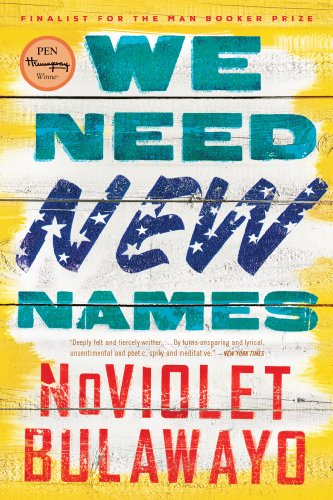 I got this book out of the library on CD to keep my company careening up and down I-81. It was very good company indeed.
 Wendy Welch: Books, Yarn, Cats, Opioids