
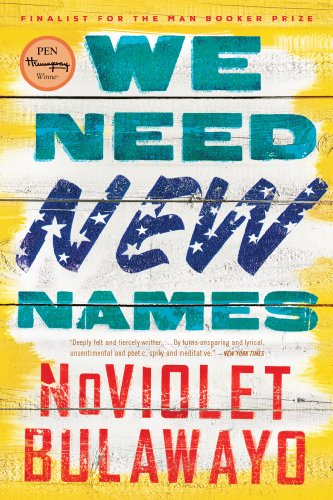
 I got this book out of the library on CD to keep my company careening up and down I-81. It was very good company indeed.
The opening chapter was the winner in a short story contest, and sets up the whole theme of the book: the innocence of children observing the folly of white people trying to “save” Zimbabwe (and a neighboring country or two). The whole book is one long lesson in irony. Had she taken a different approach to the writing, Bulawayo’s book could have been non-fiction history. Or horror.
One of the best features of her writing is how the children who are its heroes run through the insanity around them. They find a woman who hung herself because she had AIDS, and take her shoes to buy bread because they’re hungry. They run to meet the NGO truck that passes out toy guns without food. They lament that they no longer go to school because life is so boring, then they play “funeral,” imitating the machete-hacking death of a local leader who encouraged the citizens of the “Paradise” refugee village to vote. When the BBC crew that covered the actual funeral find them playing this game, they are horrified.
Not the children. They are living their lives in the circumstances surrounding them, watching the crazy go down with the sweet, confused, triumphant, intent on getting food and staying out of trouble for the most part. Not unlike the adults around them, just a little less aware of the subtleties.
I actually recommend this novel to people writing about trauma, because it shows how the voices of children narrating terrible things can make space for people to read about it without blaming the narrator or the writer. (It takes the me-me-me out of memoir.) That said, I don’t want to cheapen what Bulawayo has accomplished here. More than using innocence to point out guilt, shame, horror, she’s written with an internal voice of honest brutality that comes off as gentle. Her writing is lovely. What she’s writing about is not, on two levels: the violence of a country coming apart, and the whiteness that haunts both its dissolution and its recovery.
In a quest to be “woke,” several of my friends have begun a challenge: reading books or watching movies that represent African or Caribbean voices without white saviors. Bulawayo’s books should be at the top of this list.
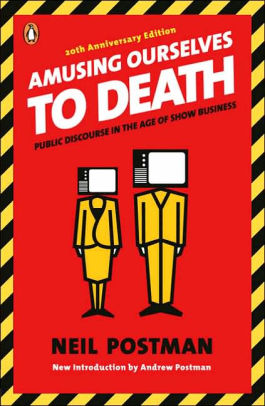 In the 1960’s the media and culture critic Marshal McLuhan famously opined “The Medium is the message.” Neil Postman, who was a student of McLuhan’s expanded McLuhan’s thesis in “Amusing Ourselves to death.” The book is a stinging critique of the television culture and how television and other forms of media have changed society forever, and not for the better.
 Wendy Welch: Books, Yarn, Cats, Opioids