The Monday Book – The Vaster Wilds by Lauren Groff

Guest review by Janelle Bailey, avid reader and always learning; sometimes substitute teaching, sometimes grandbabysitting, sometimes selling books

The Vaster Wilds by Lauren Groff
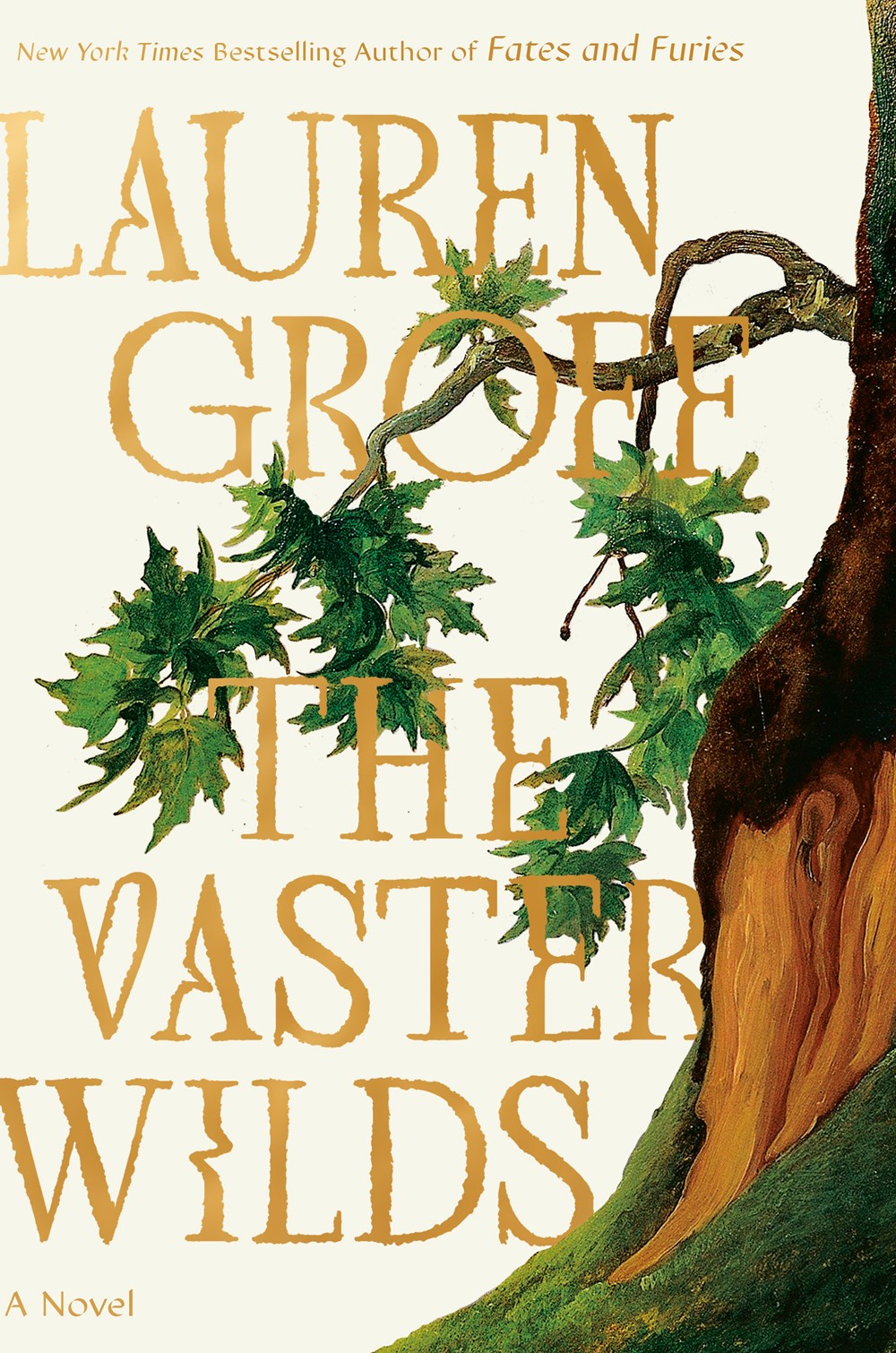
I will read everything Lauren Groff ever writes (previously she has written, and I have read: Matrix, Fates and Furies, Florida, Arcadia, Monsters of Templeton), so I savored the anticipation of diving into her newest, receiving my copy immediately upon its publication in mid-September. (It was much fun that the BOTM Club included this in their September selections!)

Groff is a master of many components of writer’s craft–diction and language, description, imagery, and more–but it is her merging of all craft to create yet another all-inclusive reading experience and adventure that is her super successful mark, well hit, yet again.

Groff’s main character in The Vaster Wilds is a little like Frankenstein’s creature in her ambiguous identification: different people call her different names, and so none really feel like her identity, it seems. She is both on a quest and fleeing at the same time, such that the entire novel has a hurried and harried pace, despite “time” also being vague-ish.

Speaking of time, this could be old, old, old olden times or far into the future time, if you ask me. There are many things, such as the language of this woman’s life, her implements possessions and her understanding and valuing of them, along with her self-provision and independence, that could be archaic and innate or freshly feminine-independence-advanced. And as for her “name,” I’m afraid that she, as so many others, has had to respond to “Hey, you!” as well. But I’d love to discuss this Frankenstein connection with someone–Ms. Groff??–as there are other things I see/love in comparison.

This particularly pure “coming of age” story is remarkable and memorable and will linger long for me in soul-filling ways. I will definitely read it again. I see it for what it is on the page and value it on that level as a psychological adventure of sorts. And I also see it–having heard Groff in person twice–as possibly the story of “everywoman” who has to face unimaginable challenges–judgment and criticism and more–and then make very difficult decisions and learn to determine when it’s necessary to comply and when it’s better to walk–or run–away. It’s never ever known for certain whether one is moving toward something better or something worse.

I think this novel is about self-care, yet to be clear: there are no pricey moisturizers or hyaluronic acid-filled serums or lattes of any flavor in this wild place. In fact, I think it’s an entire novel with zero mention of coffee or tea or any such cozy comforts. Instead, self-care here involves seeking moments when there is rare time or opportunity–or it is safe–to remove lice and nits from clothing and hair and person, or to bathe and in the most rudimentary iteration. Self-care is critical.

While this story is about a particular female in a particular situation and time and place, and told in a rather raw way, well…I think many of us have been there in some figurative ways. May we all find this kind–yet via not at all this kind of literal trauma or treatment–of peace, and preferably with a whole lotta life ahead to live…and in a thriving, self-caring way.

Having met this “girl” or woman–Lamentations, Zed, “everywoman” by my calling–I remain on my own personal mission to take good care of my “self” while also valuing the company of others and doing and being my best by–and for and with–them as well.

Come back next Monday for another book review!

The Box That Holds Everything

Each month I meet, at a rent-controlled apartment complex in Norton, Virginia, friends who are doctors and professors, along with a bunch of our collective students. The professors grill burgers, the medical students do an educational activity–how your lungs work using paper bags and straws, germ glow wash your hands hygiene, teeth brushing 101–and the undergraduate students (mostly pre-med or pre-dental) create a craft that accompanies the activity.

It’s fun. People eat, they talk, they think we’re a church and they laugh when they find out we’re a bunch of academics and doctors. “Really? Not a church. Well, all the same, this is fun.”

We started at a new location in July of this year, which meant we had to build trust all over again. This is a population that doesn’t have a lot of reason to trust people who take a “benevolent interest” in them. Usually that ends up with them getting scammed. So we approached slowly, with school supplies.

In August, we went back to grill burgers, make emotional thermometers, and craft stress balls. The playground and picnic shelter where we going to meet was a mess. We found rubber gloves and big black plastic sacks, and hauled off a broken crib mattress and sheet set left by the trash can. The medical students ran to the grocery store and came back with bleach when they found the single trash can had become infested with undesirables.

None of the kids we played with after, making the stress balls and talking about anger management, said anything about this. None of the students said anything derogatory about the mess. We all had fun.

Next month, when I got there five minutes ahead of my fellow professor, four kids were at the picnic pavilion, lining the picnic tables up at one side. A little boy about the same size as the tree branch he wielded was using it to sweep the concrete pad clean. Two other boys had a small cardboard box they were filling with trash from the playground, dumping it into the single can and racing off to fill it again.

“We wanted it to look nice when you got here, so you’d know we were glad you were here,” said the oldest of the kids, Noah. Noah is transitioning. Two of the professors are also transitioning, and Noah spent a long time talking to them last month.

The picnic tables had been specially lined up, explained Skylar (a year or two younger than Noah, and the girl whose birthday we had celebrated in sudden made-up ways when we found she was alone for the evening, accompanied by two older friends who felt sorry for her because her parents wouldn’t be home that day to give her any party. The med students ran and found a candle for a cupcake and we all sang).

“We know you didn’t need them in a line, but my brother is autistic and he was helping and he needs things to be perfect and straight and all so we did it that way.” Skylar said with pride.

My fellow professors and doctors arrived, taking in the boy still sweeping with the branch, the kids busy picking up the last small bits of debris. Tori, the chemistry professor, smiled and produced a large tub of sidewalk chalk. Five minutes later the medical and pre-med students were studiously admiring artwork from the kids as they turned the basketball court all the colors of the rainbow.

That box, that box is everything. The kids were waiting for us, not passively, but with intent to make us feel welcome. Little kids who think we’re from a church and want to know how lungs work. Little kids who are teaching future doctors that poverty is not sin, nor passivity, nor a reason to dismiss anyone’s contribution to their own well-being.

The world can be beautiful.