Guest review by Janelle Bailey, retired Literature teacher.
FIVE stars!
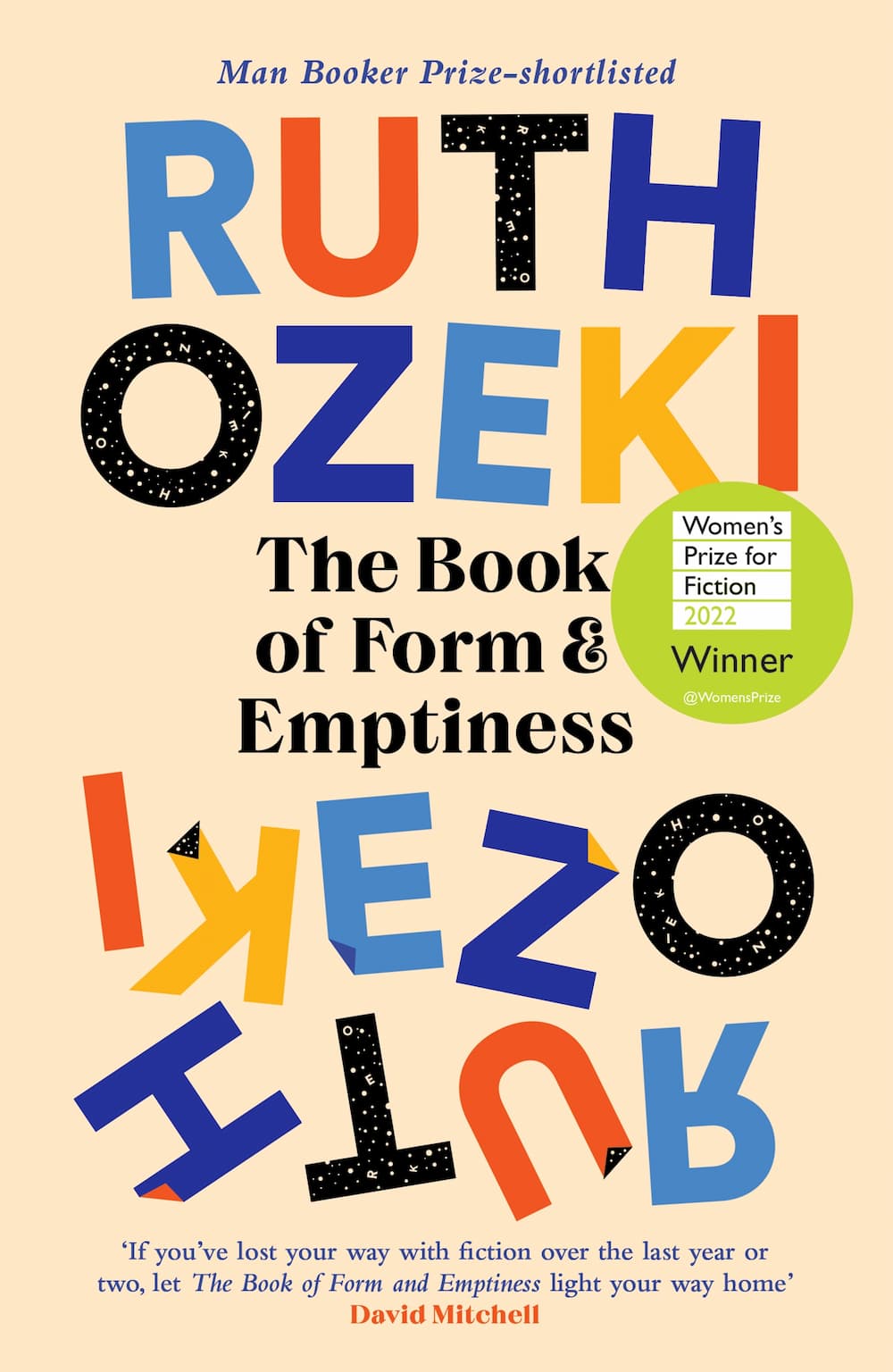
I could literally write a book about–maybe I should write a book or at the very least an essay about—how many amazing and truly crazy ridiculously complexly ways in which this book–about books–touched my life and my own stories. And I do not so much mean that my own “life” or “old” stories match Benny’s or Annabelle’s story or stories here, but that this book addresses, and in such crazy, sensible, deep and thoughtful ways, things going on in my own life and work and days right now.
And yet: none of that is why I read this book. I had no idea what it was even about before I opened it. I received a text from a friend a couple of weeks ago that asked if I had read it because, as she said, “I’m reading a book that keeps making me think about you–your belief that books are living things. Have you read this?” And even then, when I immediately sent her a photo of it being right there, un-read-as-of-yet, and in one of two tall dining room table decor “stack” as response…I could no longer remember exactly who had recommended it or what had prompted me to even order it in the first place, and weeks before. So while that friend’s text did nudge me to open it next, it truly seems to me to have absolutely come into my life much as one of the book’s books, Tidy Magic does for Annabelle…in this book.
But who, other than those who really, REALLY know me, would even believe that?! And I won’t be putting it all–the crazy and remarkable, tentacled, connections, all of them and beyond that–into this review because, quite honestly, 1) I don’t make a practice of spoiling anyone else’s read of a book, and 2) as the very book itself indicates, “Ze truth about stories is that is all we are” (Ozeki 538). And quite possibly reading this book will do for someone else something completely different from what it has just done to/for/with me. It’s going to take me quite a while to process it all, and like I said: I may just need to write a book about it all.
However, if you are one who, for some reason, needs to know what a book is about in order to decide whether or not to read it: this is a book about a beautiful boy named Benny, his mother Annabelle who loves him dearly, and all of the good and challenging that they do together to unpack and unbury themselves out of a lot of stuff that has also happened to them. Like most of us, they also only get by with a little help from their friends, and when this book starts, they honestly don’t even “have friends.”
So while I am going to be completely fine–truly–with any of you who say about this very book that for you it was “meh” or “just didn’t do it for you,” I am very likely to right now call this both THE best book I read in 2021 (I definitely started and read about half of it before the year ended) as well as THE BEST BOOK I have read (finished) so far in 2022. No more than we as people can honestly be all things for all people, try as we might, many of us; neither can any book be ALL things for ALL readers, and I do not believe one is ever quite exactly the same for two readers. But this book…this little (it’s not little!) book right here…went wee, wee, wee all the way home for ME! And I am truly the only one for whom that matters.
But I would–as always–love to hear from any of you about your own experiences with it, too! And my copy is available for lending…gentle borrowing. If you ask to borrow it, you know I’ll let you.