
This Little Light – – –

Jack is a day late but his excuse that he did the Monday book review – –

This time of year always intrigues me. Wendy is a bona fide fully qualified Folklore PhD, but I’m just a guy that’s fascinated by folk culture.

This is ‘holiday season’ so there are lots of celebrations in many different faiths and cultures that take place over the next few weeks.
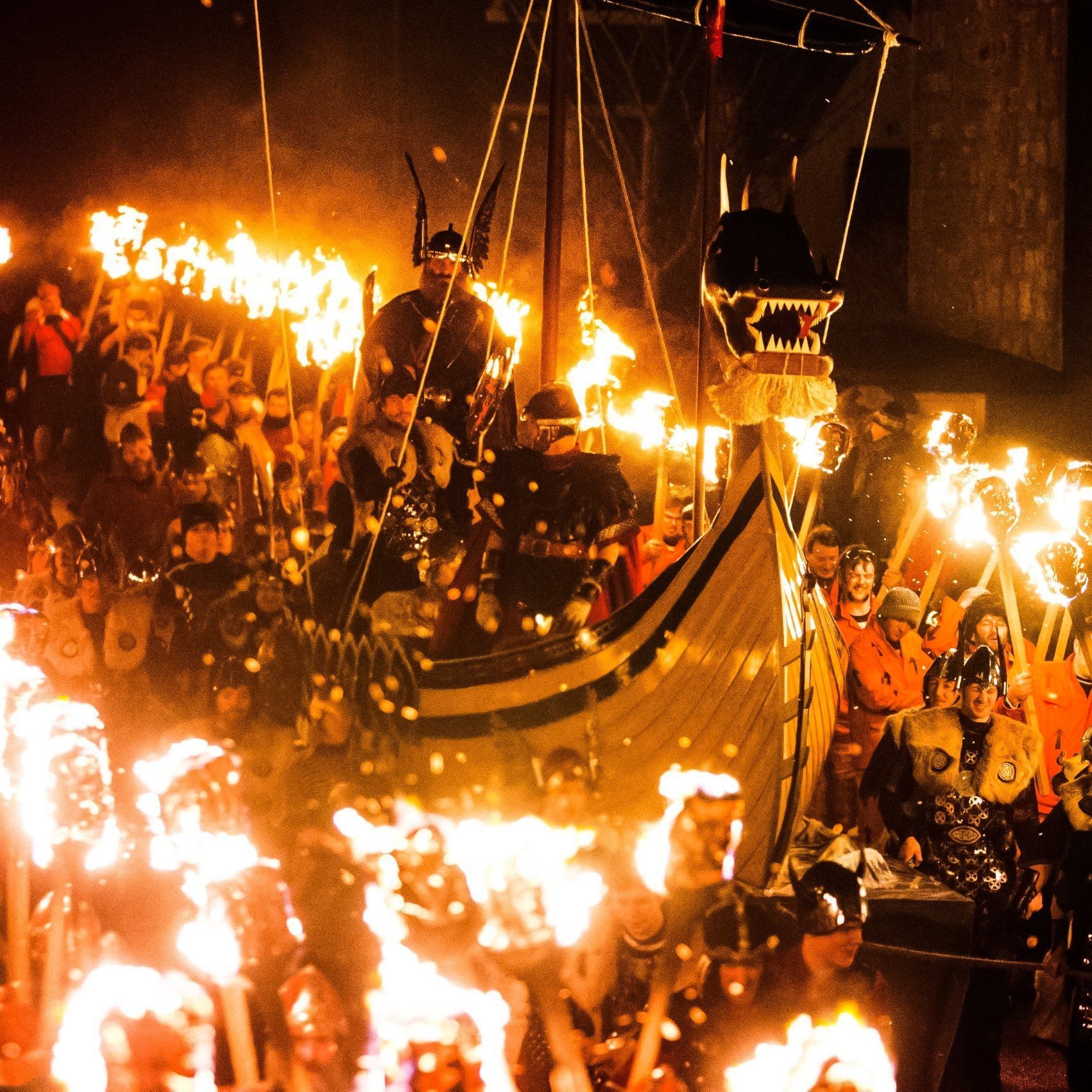
The oldest ones, of course, concern the winter solstice – the time when the daylight begins to expand again. This is when our predecessors needed to persuade the sun to come back and used that precious commodity, fire!

I’m no expert on other holidays so I’ll concentrate on Christmas which almost exactly coincides with the Solstice. All over northern Europe there are fire festivals at this time of year – perhaps the most famous is ‘Up Helly A’ in Shetland but there are others around Scotland involving flaming torches and burning baskets.

What is the Christmas connection?

When was Jesus born? No-one really knows but probably not December 25th. So an existing ancient celebration was borrowed. Then there’s lights and candles on the Christmas tree, the Yule Log, chestnuts roasting on an open fire, holly berries presaging the next harvest, and, of course the plant of fertility – mistletoe. The old song ‘John Barleycorn’ even describes re-incarnation!

So an ancient time of hope and faith was borrowed to express another one, which then eventually became extended into a whole season of another god – Mammon!

Don’t get me wrong – I do have faith and hope. I’m a Quaker, so I tend to describe whatever or whoever is responsible for our existence as ‘The Light’.

I’ve always believed that The Light is more powerful than The Dark, but since the fight may be a long one we should probably try to keep the fires burning – –
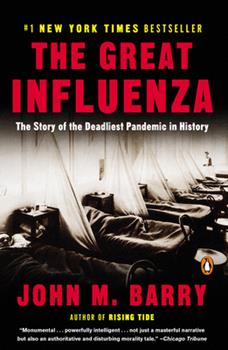
The Monday Book – The Great Influenza by John M. Barry

This week it’s Jack Beck’s turn to review –

I always knew vaguely that the flu epidemic of 1918 was massive and killed more than died in the Great War. But Barry’s book really brought it home, as well as drawing many parallels with the Covid 19 pandemic of the last three years.

There was no existing vaccine, it spread rapidly around the world, whole populations were paralyzed with fear, there weren’t enough coffins to bury the dead or hospital beds for the ill and dying.

But there were other similarities too – politicians using it cynically to bolster their support. Snake oil salesmen selling fake remedies, scientists scrambling to unravel what was happening, public health officials with no knowledge of public health appointed as a reward for political/financial support.

Among Barry’s conclusions is that, although plans had been put in place ahead of Covid 19 to deal with pandemics, the funding needed had been pared back by successive governments in the US and elsewhere. A combination of ‘we need to make savings somewhere’ and ‘it will never happen’. Much the same was true pre-1918.

I suppose the only difference is that instead of rumors and conspiracy theories spreading by word of mouth, this time we had Facebook and Twitter – –

The book is pretty dense in places and spent a lot of time on scientific background before finally beginning to actually get to the 1918 pandemic. Once there the graphic descriptions of symptoms and deaths are not for the squeamish!

His conclusions?

As ever – trust the scientists and don’t let politics get in the way – –

Although it took me a while to get through the book, I can definitely recommend it to anyone interested in how people, governments and scientists respond to such global health emergencies.