
School days then and now

Jack gets over the line early again – –

I’m always fascinated by the ‘school run’ here in the morning and afternoon. So very different from my memories of going to school in Scotland.

Here the early run starts around 7.45 and continues in an orderly fashion until 8.00, when there’s a brief lull, then a mad rush between 8.05 and 8.15. The elementary school is just a block from us and the streets around it are reserved for drop off of the kids. Then from 2.30 until 3.00 the whole thing happens in reverse. I assume that the early morning run is parents who start work at 8.00 and the second one is probably stay at home Moms. Then there are the school buses as well and I imagine there will be many ‘latch key’ kids going home in them in the afternoon.
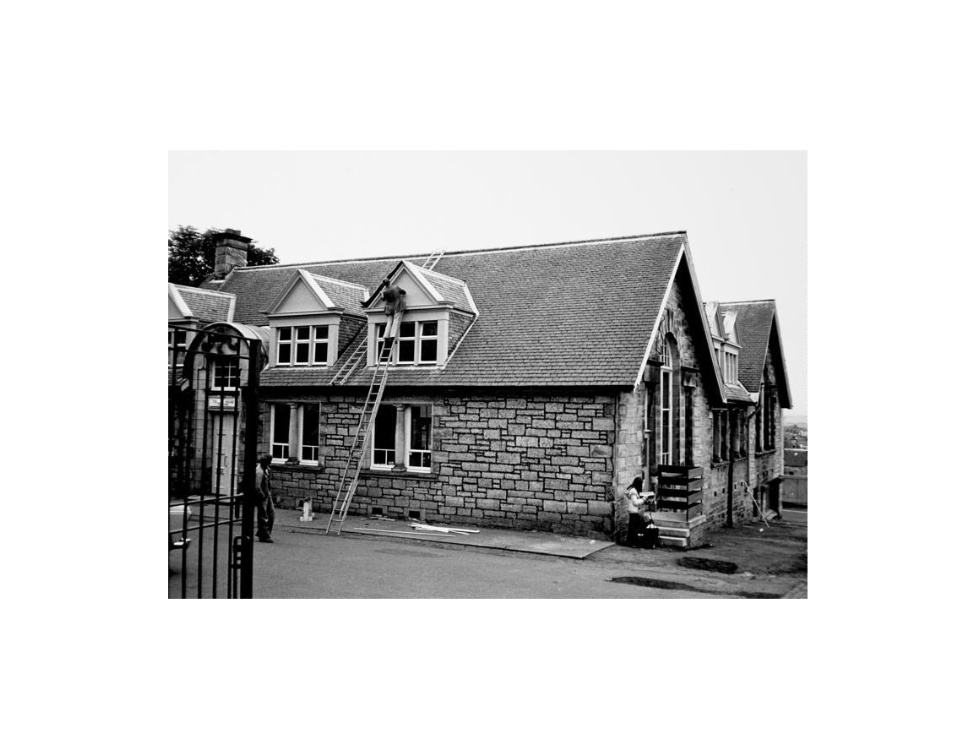
My memories are very different. Very few people had cars back then and most primary (elementary) schools were within walking distance. So my Grandad who lived with us walked me down in the morning and walked me back at the end of the school day. My older sister made her own way and I rarely saw her during the day as the school was divided into two sections – one for older kids and one for younger ones. The playground was also divided with a low wall between them. Back then all the teachers were single women and if they got married they were immediately required to resign. All the head teachers were men and they were expected to be married! Corporal punishment was how discipline was maintained and administered with a leather strap called a ‘tawse’ which were made in a nearby town and specially designed. I have distinct memories of receiving ‘six of the best’ on the palm of my hand on a number of occasions.

There was no system of ‘middle schools’ in Scotland and there still isn’t, so kids go straight from primary school to high school at age eleven – a very traumatic experience!

Despite all that I have mostly happy memories of those days – –
When You Feel Sad

Jack gets over the line again in time – –

Yes – Seasonal Affective Disorder (SAD) is a real thing! A friend mentioned it in an email a few days ago, and it got me to thinking – –

I spent most of my life living in central Scotland, and in mid-winter, there, the days are short. I mean that even on sunny days the light starts around 10 am and stops around 3 pm. (Harlan isn’t the only place this happens.) If I had lived in the far north, maybe Orkney or Shetland, there wouldn’t have been any light at all! I’ve heard tales of folk up there holding golf tournaments by head lamps at noon – –

But folk were used to it and mostly just adapted – unless they were incomers from further south. Wendy arrived in Scotland from Newfoundland, which is the tiniest bit higher up toward the North pole, so her winters actually got longer!

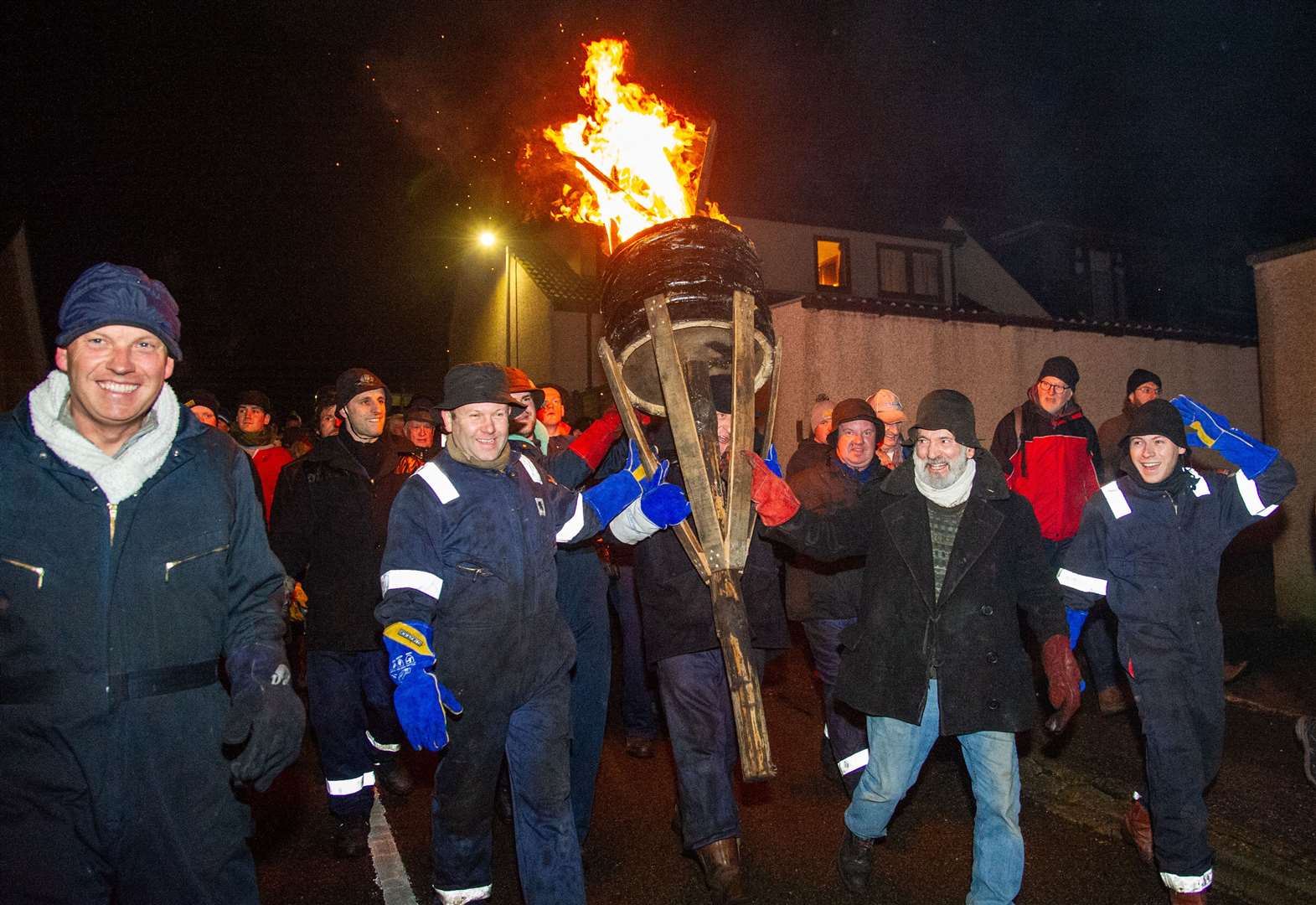
In days of yore, by which I mean pre-Christian times, the early inhabitants were sun worshipers and held ceremonies around the winter solstice to encourage the sun to return and for the days to lengthen again. Many of these fire festivals survive to the present day and usually involve a procession with a ‘clavie’ – a large iron cage filled with burning wood with all the people either taking a burning ember to their house or adding more wood to the cage.

In Shetland they have ‘Up Helly A,’ when a replica Viking longship is hauled through the town to the harbor and then set on fire. I think this may also be why New Year celebrations are more significant than Christmas in Scotland? No one really knows when Christ was born, so the existing sun/Son worship time seemed appropriate.

I don’t remember ever having suffered from SAD when I was living in Scotland, and I still don’t really here in Southern Virginia, but I do notice the change of light more. I wonder if that is because, being much further south, the summers are longer and warmer, so the contrast is more stark.

There’s a whole other argument about the need for changing the clocks – springing forward and falling back — but that’s the subject for another post – –

Come back next Wednesday for more from Jack