
And the Award Goes To Most of Us

I’m off to my first ever awards ceremony for the Associated Press Virginias Broadcasters Award. Which is fitting because I’ve been nominated for my first ever story for Inside Appalachia as a Folkways reporter.

The story was on mushroom hunting’s popularity. You can read/hear it here.
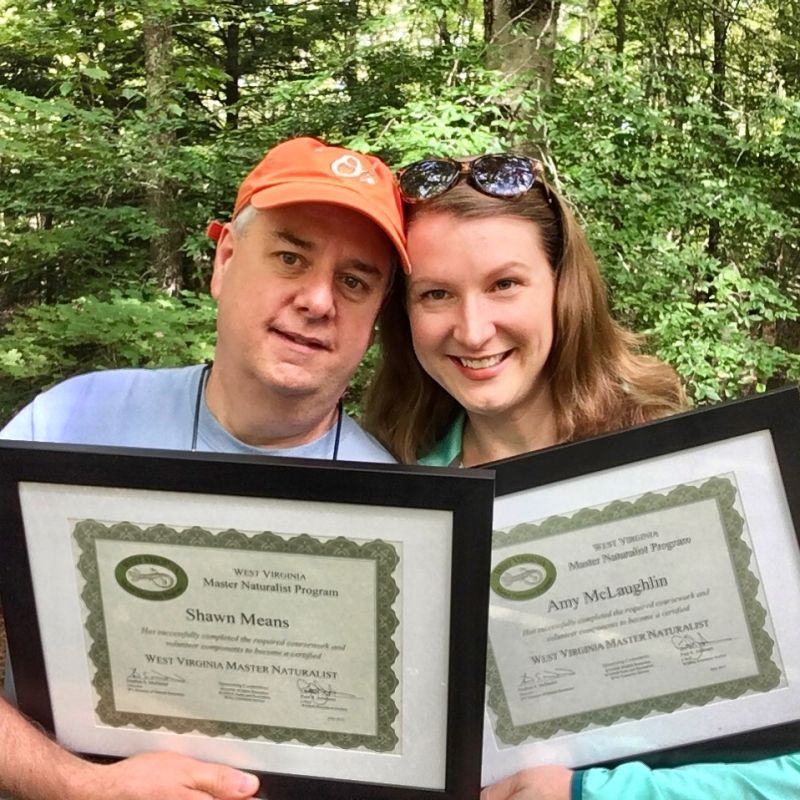
The group of people who work in broadcasting are fun but also funny. Ageism reigns supreme, which is interesting in a culture that honors its elders. A lot of the stories we produce are about people in their golden years who have practiced their art form for decades, so the attitude toward the older reporters can border on comedic irony at times.

It is fun to learn a new skill later in life, notwithstanding the heaved sighs and eye rolls of those who expect us to be less interesting/intelligent because we don’t know about all the tech they learned to use in college. Children, we know things you will not learn for another decade or so, and that’s why we see more clearly through our bifocals. Don’t worry about it; you’ll see someday. And laugh about it, just as we do. (At you.)

Meanwhile, let the good times roll, rather than the eyes. You’d be surprised what good conversationalists someone with a few wrinkles about the eyes can be. Those lines? They mean we laughed a lot. We saw things. We could interpret them. We have thoughts that we are smart enough to keep to ourselves unless invited into safe spaces for conversation.

So I’m off to the award ceremony, wearing comfy low-heeled shoes and a bright smile. It will be fun; I’ve never been to one of these and I look forward to meeting some new friends. Or watching from the corner as people schmooze. Both are entertaining. I’m taking some crocheting.

Calling Someone Out Is Not The Same As Calling Someone A Name


In a recent political speech, the presumed Republican presidential candidate referred to some people as “vermin.” When mainstream media compared this to speeches given in the Weimar Republic by another infamous candidate seeking to lead his country, the presidential candidate’s team called the comparison disgusting and a deliberate attack intended to obfuscate issues.

I’ve struggled with how to write this, because my calling out our local theatre director over the summer for racism and misogyny resulted in me being called an attacker, and I don’t want to write an “it happened to me” blog. I want to write a “words matter and we’re in trouble so move through your life with prayerful integrity” blog.

Over the summer I was a volunteer on an arts committee for our town’s local theatre. When it became evident that there were issues with equity in pay and in choices of acts—and also that voices of artists from diverse communities were missing from the planning group—I asked questions. This culminated in a phone call with the theatre’s director, where I called out certain decisions and several preceding actions since his arrival as white supremacy.

All hell broke lose. The director asked me to a meeting with a board member, told me I was disgusting. It is a common strategy to say someone else attacked you when you feel defensive.

The board member told me I had no right to attack the director. Both said I should be ashamed. When you cannot justify your actions, when you do not want to engage on why what you’re doing is good (or even good enough), you attack.

In talking afterward with the regional newspaper about the events at the theatre, a heavy sigh preceded the reporter putting into words what we both knew: the same thing is happening everywhere. What used to hide behind coded language and secret handshakes is now a campaign platform. The only unusual aspect of the local theatre story was that the director actually got fired, a unique twist to a standard plot.

Dear reader, let me challenge you with another twist on a now-standard saying, “if you see something, say something.” What’s happening right now in the “God is on OUR side” culture wars requires knowing the difference between calling someone names, and calling someone out.

When I ended the meeting with the board member, he was still defending the director, who was still insulting me. Something strange happened: the director’s last words as I left were, “Good luck to you.”

From nowhere, my mouth opened and out came, “I won’t need luck; I have integrity.”

I’m not going to wish you luck as you parse through the attitudes and actions of this coming year’s political climate. We’re not jerks, elites, woke-ists, or any of the other names we get called for refusing to let dehumanizing words and actions go by. We do very much need to avoid being self-righteous assholes, and I’m praying for wisdom, discernment, and integrity on how God plans for me to walk these days. Moral high ground is both heady and slippery.

Walk softly, never mind the big stick. If you see something, say something.