
Guest review by Janelle Bailey, avid reader and always learning; sometimes substitute teaching, sometimes grandbabysitting, sometimes selling books
The Vaster Wilds by Lauren Groff
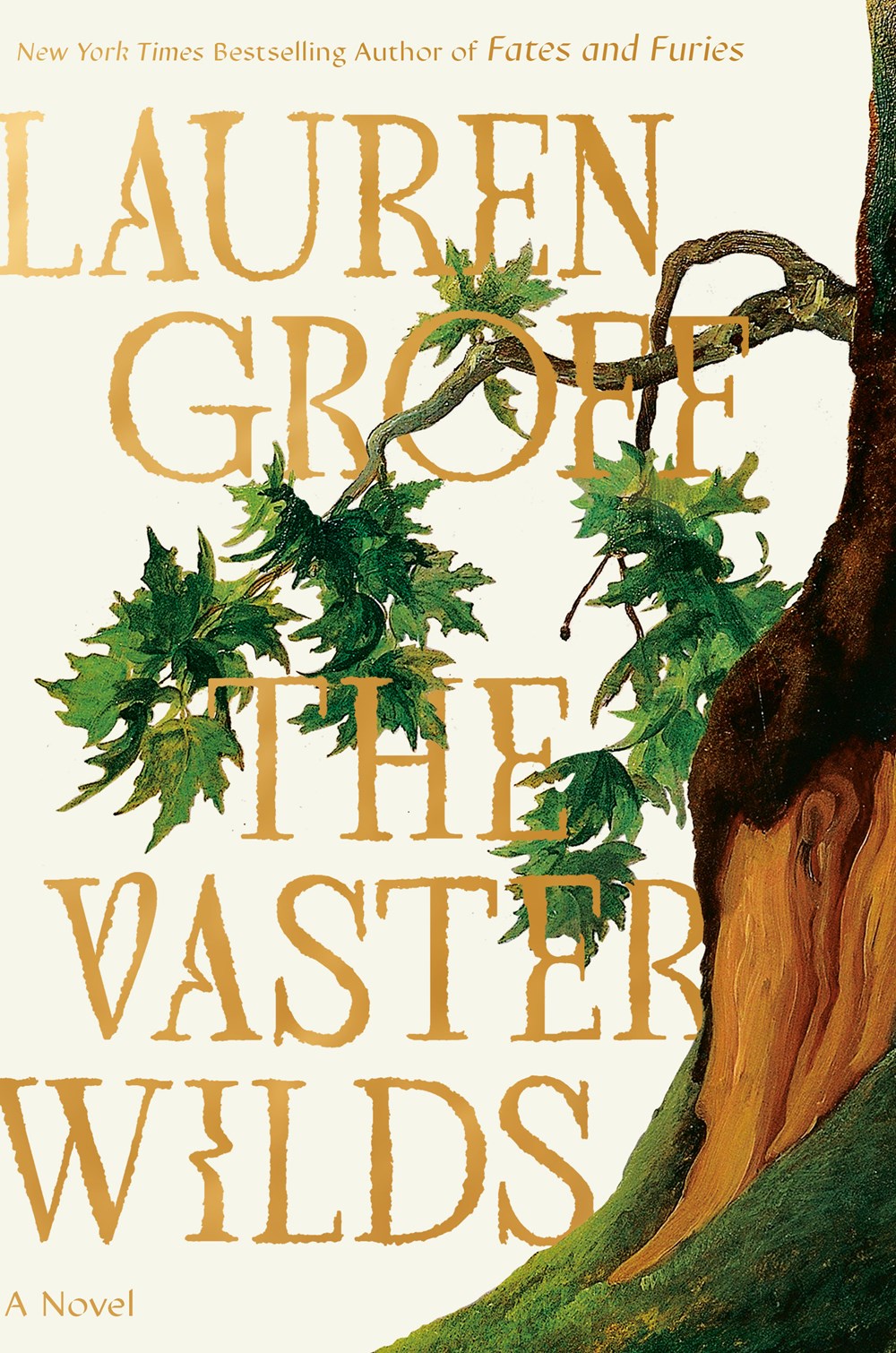
I will read everything Lauren Groff ever writes (previously she has written, and I have read: Matrix, Fates and Furies, Florida, Arcadia, Monsters of Templeton), so I savored the anticipation of diving into her newest, receiving my copy immediately upon its publication in mid-September. (It was much fun that the BOTM Club included this in their September selections!)
Groff is a master of many components of writer’s craft–diction and language, description, imagery, and more–but it is her merging of all craft to create yet another all-inclusive reading experience and adventure that is her super successful mark, well hit, yet again.
Groff’s main character in The Vaster Wilds is a little like Frankenstein’s creature in her ambiguous identification: different people call her different names, and so none really feel like her identity, it seems. She is both on a quest and fleeing at the same time, such that the entire novel has a hurried and harried pace, despite “time” also being vague-ish.
Speaking of time, this could be old, old, old olden times or far into the future time, if you ask me. There are many things, such as the language of this woman’s life, her implements possessions and her understanding and valuing of them, along with her self-provision and independence, that could be archaic and innate or freshly feminine-independence-advanced. And as for her “name,” I’m afraid that she, as so many others, has had to respond to “Hey, you!” as well. But I’d love to discuss this Frankenstein connection with someone–Ms. Groff??–as there are other things I see/love in comparison.
This particularly pure “coming of age” story is remarkable and memorable and will linger long for me in soul-filling ways. I will definitely read it again. I see it for what it is on the page and value it on that level as a psychological adventure of sorts. And I also see it–having heard Groff in person twice–as possibly the story of “everywoman” who has to face unimaginable challenges–judgment and criticism and more–and then make very difficult decisions and learn to determine when it’s necessary to comply and when it’s better to walk–or run–away. It’s never ever known for certain whether one is moving toward something better or something worse.
I think this novel is about self-care, yet to be clear: there are no pricey moisturizers or hyaluronic acid-filled serums or lattes of any flavor in this wild place. In fact, I think it’s an entire novel with zero mention of coffee or tea or any such cozy comforts. Instead, self-care here involves seeking moments when there is rare time or opportunity–or it is safe–to remove lice and nits from clothing and hair and person, or to bathe and in the most rudimentary iteration. Self-care is critical.
While this story is about a particular female in a particular situation and time and place, and told in a rather raw way, well…I think many of us have been there in some figurative ways. May we all find this kind–yet via not at all this kind of literal trauma or treatment–of peace, and preferably with a whole lotta life ahead to live…and in a thriving, self-caring way.
Having met this “girl” or woman–Lamentations, Zed, “everywoman” by my calling–I remain on my own personal mission to take good care of my “self” while also valuing the company of others and doing and being my best by–and for and with–them as well.
Come back next Monday for another book review!

 Wendy Welch: Books, Yarn, Cats, Opioids