
The Monday Book: TOTO by AJ Hackwith

I’m not sure the Monday book is returning as a regular feature, but this book is a hoot. I got it out of the library in a whim while asking for an interlibrary loan.
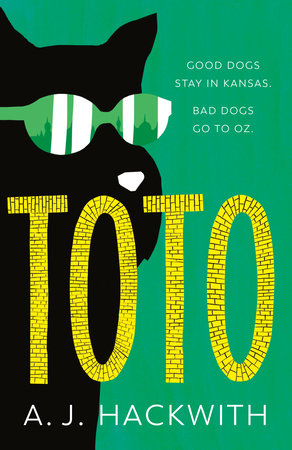
Toto is, if you were wondering, a novel. It’s written from, you guessed it, Toto’s point of view. And Toto is the most sarcastic, entitled, bemused, cynical little dog you ever met. He’s hysterical. If you took all the traits of toxic masculinity and excessive entitlement, and put them into a cute little scruffy dog, it would be Toto. What would be annoying to deal with in real life is somehow adorable in a wee dug (Scottish for dog, sorry) with a lot to say, except nobody has been listening before.

Take this paragraph on the opening page: … when a gang of grown men in shorts and suspenders and holding candy cane clubs stepped forward and started serenading Dorothy about a league of traditional masculinity and men’s rights, I was inclined to slow fade into the bushes. I don’t care if they call themselves something cute like the “Tartpatch Gang.” Take it from a dog who has accomplished many calculated hijinks with his stirling reputation intact–you can get away with a lot of terrible shit when you’re small and cute.

As you call tell, this novel combines the movie and the book for best comedic effect. Also, Toto drops a fair few F bombs along with some earthier words. Finally, Toto–oh ok, Hackwith–is not writing beautiful sentences, just telling a story. Words repeat, things are choppy. It sounds, more or less, like a smart dog who has not benefited from proper English classes.

Not gonna tell you anything about the ending of course; if you want to cut through a little of the sugary sweetness this Christmas, take a chance on Toto. Just don’t even think about reading this to your kids.

An enthusiastic two paws up!

THE MONDAY BOOK: Talk Before Sleep, by Elizabeth Berg

I started this book once several years ago and didn’t get far, so I didn’t expect it to impress me when I picked it up a second time. But sometimes you have to be in the right head space.

This is my favorite kind of book: character driven. A handful of women are gathering around their beloved friend who is dying of cancer. And the friends are kinda the stereotypes you see in those crises: the one doing all the organizing, demanding answers to tough questions; the one determined the friend Shall Not Die because she will feed her kale and such; the one taking it personally, etc.

The dying woman, Ruth, is drawn enigmatically, a stroke of Berg’s particular genius with characters. She recedes into one-liners and personality-pulsing moments, as the narrator takes up more space in how she is reacting to the impending death.

And the narrator comes out with some cracking observations. Here is one of my favorites: “I believe that the souls of women flatten and anchor themselves in times of adversity, lay in for the stay. I’ve heard that when elephants are attacked they often run, not away, but toward each other. Perhaps it is because they are a matriarchal society.”

The sweetness of women friends, the horror of a sad thing you cannot fix, the pushes and pulls on women’s time are all here. Berg has a way of pulling together an ensemble cast and not making any of them feel like they are mechanisms serving the plot.

The bickering between L.D., the kale-feeding lesbian friend, and Sarah, the get-the-funeral-arrangements-done buttoned-up-jacket friend, is adorable. So are the moments when Ruth lets fly on the narrator. This book may be about loss, but it has a lot of giggles in it as well. Perhaps they are sweetened by the inevitability of the bitter end to come.

The book also delves into a thing that happens with female friends: jealousy and envy when family obligations are involved. The narrator is abandoning her family temporarily, hoping she isn’t hurting her marriage personally. The dying Ruth has a brother who wants her to die at his house. The decisions characters make are embedded in the reality of the demands on women’s time and our extraordinary capacity to manufacture energy out of sheer need.

Highly recommend this book. You will laugh more than you cry, and sometimes the laughter will be in recognition.