This week’s Monday Book comes courtesy of Martha Wiley.
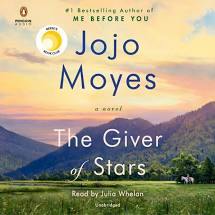 I received a copy of The Giver of Stars by Jojo Moyes for Christmas. I’m an Atlanta transplant, first having moved to Appalachia when I married – I’ve lived in southeast Kentucky and southwest Virginia, and it wasn’t hard to recognize both of these areas in the book.
Set in the 1930s in Lee County, Kentucky , in an area about equidistant from the two towns that I have called home for the past 22 years, The Giver of Stars tells the fictional story of members of a pack horse library. I’m very fond of fiction set in historical settings, especially when the history is well-researched, and Moyes has done an admirable job of grounding her story in a factual past.
The action centers around two women who make unlikely friends, Alice Wright Van Cleve and Margery O’Hare. Alice moved to Lee County from England after meeting and marrying Bennett Van Cleve, son of a prominent coal mining company owner. After finding out that marriage to Bennett isn’t all she had dreamed of, Alice joins up with Margery, one of the movers and shakers behind the Baileyville WPA Packhorse Library, and a loner who prefers the company of her horse and dog to that of people. As to be expected, both bring fears and preconceptions to the relationship, but manage a way to meet in the middle to form a strong friendship.
That sounds a little hokey, and at times the dialogue and human interactions in the book are a bit strained, but overall I enjoyed the book and learned some history in the bargain. The pack horse librarians of Kentucky have been getting more attention in the past few years, due in part to articles in Smithsonian Magazine and National Public Radio, as well as a few non-fiction books written about them.
The precursor to today’s bookmobiles in Kentucky, the pack horse librarians fulfilled one of Eleanor Roosevelt’s priorities through the Depression-era Works Progress Administration, providing paid jobs to women and furthering literacy in the poverty-stricken mountains of southern Appalachia. Moyes weaves the facts of this history with the stories of Alice and Margery and other community members of the fictional town of Baileyville, capturing all the nuances of public and private feelings of both the supporters and detractors of the program.
I lived in Southeast Kentucky for more than 15 years, and was involved with the Reading Camp program there, a mission of the Episcopal Church, for many years. I can attest to the need for, and the success of, the promotion of literacy and the joys of reading to people living in the rural hollers of the region, as well as to the occasional resistance to, and fear of, outsiders seen to be interfering with an established way of life. Although the story takes place more than 60 years before my time there, The Giver of Stars reminded me of the joys and heartaches of such work, and the timelessness of both the beauty and harshness of Appalachia.

 Writers are known for seizing moments, protecting our writing time, drilling it out from between day jobs and family commitments and other stuff.
 Wendy Welch: Books, Yarn, Cats, Opioids