
Last night Deborah and I did our book talk at Arlington Central Library, DC. We’ve done these many times; her memoir Counting Down is a deep dive into a personal adoption story, while my book Fall or Fly is journalism storytelling about the system as it operates in rural Appalachia. 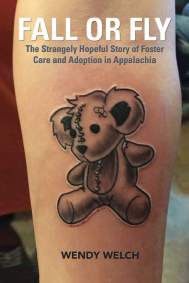
We’ve fielded many questions during our 20+ talks together, and at almost every venue–library, bookstore, adoption expo, whatever it was–foster parents have been part of the audience. In Asheville’s Malaprops, a newly licensed couple sat on the front row, hoping their phone would go off during our time together. (It did, but it was a sales call. You never saw so many disappointed audience members.) At Quail Books in NC, parents asked about how to help their 11-year-old daughter communicate in safety with her birth mom.
Last night, two foster parents who had already read Fall or Fly expressed appreciation for its straight talk about two subjects the prep classes and society in general tend to avoid: love and money. One woman talked about how, the first time she held her first foster son in the middle of the night as he cried, she had a “freak out” moment because, “I had no idea who this kid was. He didn’t smell like my birth children, he didn’t react the way my birth children did, he didn’t know me and I didn’t know him, but here I am with him in his onesie and me in my robe, trying to tell him it’s okay and he can sleep safe. There’s nothing about those classes that can get you ready for this. Finally, I don’t feel like a failure. I know other people had this feeling too.”
Another foster mom was struggling with the fact that the adoption agency had presented her with a “perfect match,” but she and the teen girl were struggling to know one another. “No click, I guess, is the best way to put it. She was perfect on paper, everything I wanted. And like the woman in your book says, ‘You don’t get to choose your bio kids for the qualities you want most. They are yours, and your responsibility.’ So I don’t know, do I take it as a job now for a future of love, or will love never come?” She paused, then turned to me. “You have no idea how grateful I am that someone has talked about this in print.”
As a writer, there is nothing in the world so rewarding as hearing someone say that. That a person has found themselves in your words, identified and no longer alone, is the most energizing thing an author can hear. I’m glad you don’t feel so isolated any more, that the stories are out there, and that people are hearing them at last.
 This is a complicated book. Its central character is 14 and has that bouncy back-and-forthness of wisdom and childhood coming out in lovely sentences like “That’s what being shy feels like. Like my skin is too thin, the light too bright. Like the best place I could possibly be is in a tunnel far under the cool, dark earth.”
 Wendy Welch: Books, Yarn, Cats, Opioids