
Once again Jack gets his guest post in on time – –
Readers of this blog and my guest posts will know already that I’m a big fan of Bob Dylan. I first heard him in the early 1960s and was completely captivated. I even saw him live towards the end of the infamous world tour of 1966 – he played the ABC cinema in Edinburgh a few days before the final concert in Manchester where someone shouted “Judas!”
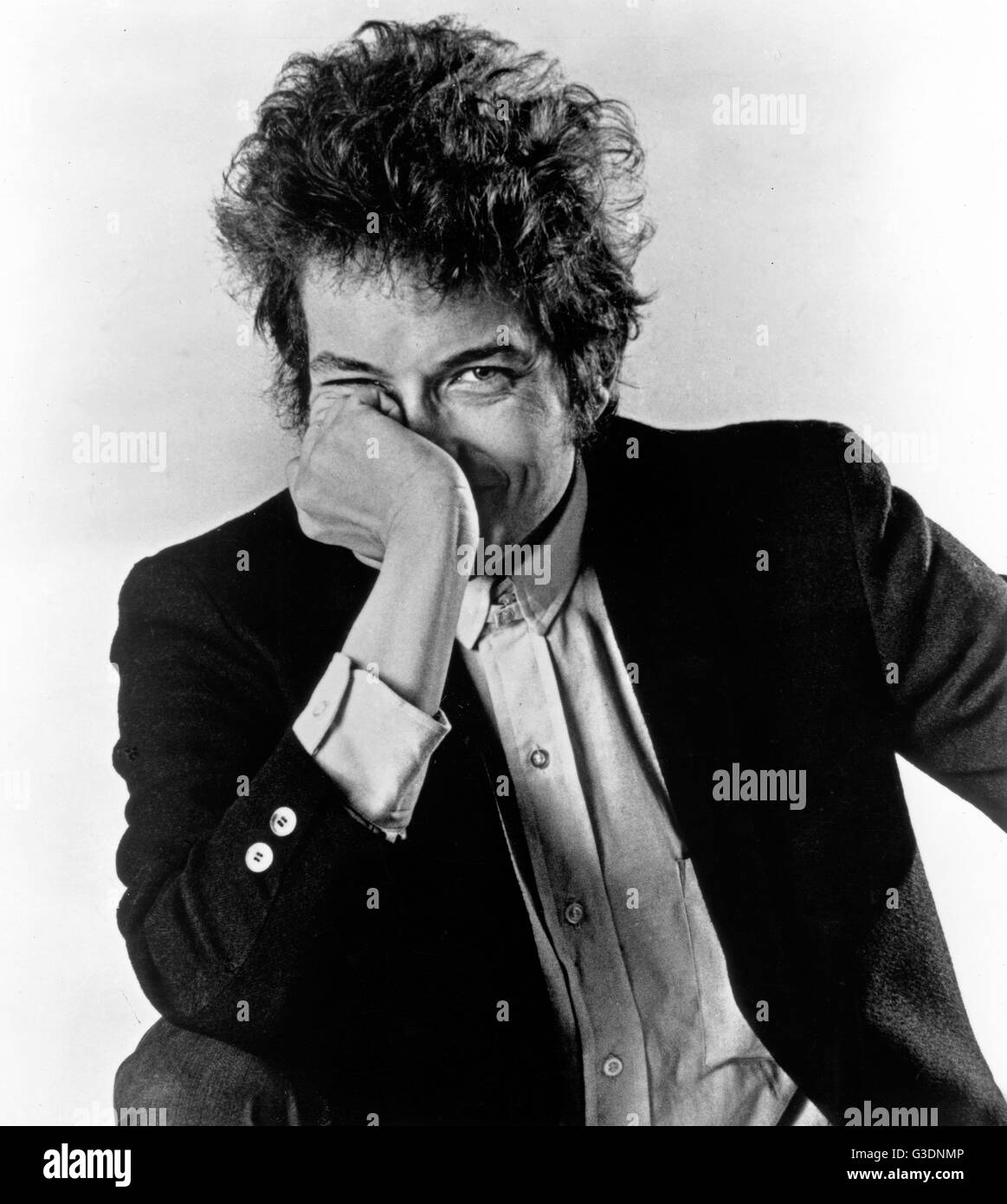
I never miss a chance to include one of his songs in my weekly Celtic music radio show, but I’m working now on a program completely devoted to his songs. I can hear you now –already, from here — wondering how that’s possible.
When he first arrived in New York, he hooked up with Joan Baez, and she was singing English and Scottish ballads, and he also was pals with the Clancy Brothers, who sang mostly Irish songs. Then he spent a month in London, where he met many Scottish, English, and Irish singers. So, many of his subsequent songs used tunes from the songs and ballads he’d heard. Actually, I was surprised by just how many of his original songs from that time used not just British tunes but lots of words and phrases from British ballads.
Then in the 1980s he revisited those times and recorded two albums of folk songs that included “Canadeeio,” based on Nic Jones’ version, and “Arthur McBride,” based on the arrangement by Paul Brady.
Just recently I was alerted by a friend to two more Dylan songs that I’d never heard –
Neither of them have any particular connection to Celtic music, although their sentiments are pretty much universal. One is “Wallflower,” and when first listening it seems like just another country song with classic rhythm and chord sequence. It seems like either a conversation or maybe just inward thoughts of a man at a dance in a small town dancehall, who feels out of place and awkward. But it immediately reminded me of an experience I had in my late teens, when some friends persuaded me to go to just such a dance. I’m useless at dancing, and I remember feeling exactly like the guy in this song.
The second is “To Make You Feel my Love,” which is very different. It’s a heartfelt and yearning love song with a gorgeous and quite unusual tune, and it has been covered by many other singers.
It’s maybe worth mentioning that Dylan has always had a good ear for unusual chord progressions, starting with “House of the Rising Sun” on his very first album and continuing over the years. Borrowing from others for sure but making something of his own and new at the same time.
Dylan never fails to surprise me and has done so many times over the years. Just when you think he has settled into some kind of pattern he jumps out, grabs, and shakes you…and then takes you down a different road altogether.
Have a little listen, yourself, if you like:
Joan Osborne – To Make You feel my Love
Diana Krall – Wallflower
Bob Dylan – The Walls of Red Wing (tune is The Road and the Miles to Dundee)
Come back next Wednesday for more from Jack
 Wendy Welch: Books, Yarn, Cats, Opioids