It was bittersweet, but it had to be done. My six chickens and five guineas needed to be rehomed.
I travel a good deal for my day job, plus book stuff, so I was constantly having to network friends to open the chicken pen after sunrise and close it at sunset. This takes some doing because all my women friends are as busy as I am.

If our handyman had not blown out, or if Jack were living here, keeping them would have been no issue. But flying solo in bird care was not to be, and so Operation Feather Ruffle was born. A friend messaged some family members that the birds were available, along with all their supplies, in return for “free eggs for life.”
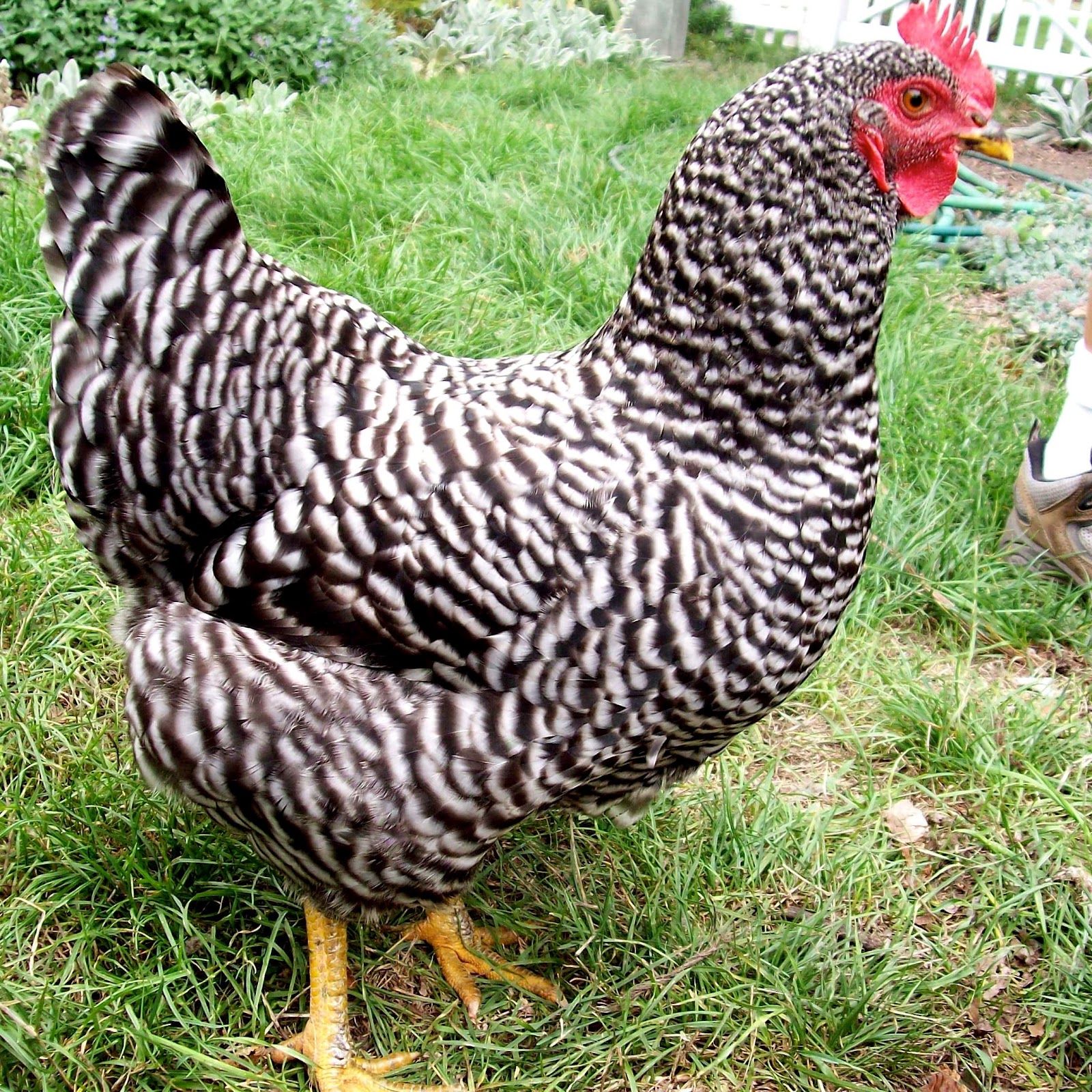
At first Tristi (matriarch of aforementioned family) only wanted my docile and pretty Barred Rocks (black and white speckles) and Midnight Majestics (black all the way down to their feathered feet). But her husband’s dad had raised guineas as a child and when he discovered there were five for the taking, he made his case. So the whole flying family would move together.
But, how? They had a trailer to haul the coop and barrel of food, but what about the pickup bed as the place the chickens traveled in? Cat carriers, cardboard boxes? In the end we decided the bed itself, with a locking cover and tailgate, would be best.
So Tristi, her father-in-law, and her brother-in-law, arrived with the truck and trailer. I borrowed a small dog crate from a friend, and we began, ehm, moving the birds.
Have you ever heard a frightened guinea? They sound like malfunctioning typewriters and look like lethal feather dusters: all movement and noise, and there is no reasoning with them. After a couple of futile attempts at soft talk, we cornered three in the coop and left them no egress but the cage door. That was the first three.
And they had a lot to say about it, which agitated their colleagues back in the coop.
Next round, we cornered some inside the actual henhouse inside the wire enclosure. Which meant moving the ladder by which they entered. Which meant my hand collided with very fresh poop from a frightened chicken. I swear one of them snickered as we closed the hen house door. Revenge is sweet, even for poultry.
We extracted three more via the egg box lid, Tristi sticking her hand through the door until the chickens backed far enough away from it that I could grasp them.
They did not like this. But it was done safely.
And then, as we tried using the poop-covered ladder to corner two more guineas, one of the hens got loose. She streaked across the yard and efforts to catch her suggested she might actually try flying over our fence, so we went back to extracting the others in the pen. At one point I got a mouthful of guinea feathers as she decided her best bet was to attack full frontal, but her rather sharp guinea toes did no damage to my sweatshirt and soon she too was in the pickup.
As we trudged back from loading all but the escapee, we pondered strategy. A net? A human cordon? Then the brother-in-law, a lad of about 15, said, “What’s that noise?”
The escaped chicken had secreted herself inside the wee hen house in our absence, her place of safety.
Tristi reached in, hauled her out, and cuddled her as she squawked for help. “Hey there, missy. No, it’s okay, you’re safe, calm down,” she crooned, stroking the bird nestled against her chest.
And the bird did. Turned her head and looked Tristi and the eye and you could see her little bird brain working. “Might not be so bad, better than staying here by myself. Ok, lady, let’s go.”
Tristi carried her to the truck in her arms, where her sisters looked annoyed as she joined them. “How do YOU rate?” they seemed to say.
Thus were my sweet babies rehomed. And I know it is the best thing for them, but I admit to a good cry after they left. Tristi promises to share their school report cards, and let me know if any of them get merit badges in their Scouts program, handicrafts, physical sports, that sort of thing. I am assured of a Christmas card.
So there we are. The chickens and guineas are living in a Fowl Paradise. Tristi already had a dozen birds, plus some baby ducks. She sent pictures of my former girls’ accommodations. And reported that evening that they were tucking into the grain supply and the mealworm treats without a care in the world.
Sigh. It’s not exactly that I wanted them to miss me, you understand, but the yard seems empty this morning.


 Wendy Welch: Books, Yarn, Cats, Opioids