The Toilets of Japan

Japan is famed for its toilets. Shop windows that sell these proofs of superior culture even have little signs up in English: Sorry, we don’t ship internationally.

Because when you visit Japan, you will begin to think about installing one of these bowels and whistles machines when you get back home, trust me.
Welcome to Japan

It starts in a cold airport arrival, jetlagged and confused. You stop at a toilet on the way to customs, and –what’s this? The seat is HEATED?!

Lust begins there and will build through the rest of your trip. As you sit doing what is necessary, woozy from plane sleep and international travel, music begins. Or the sounds of a soft flowing waterfall.

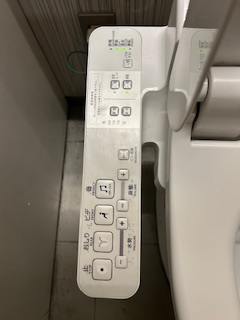
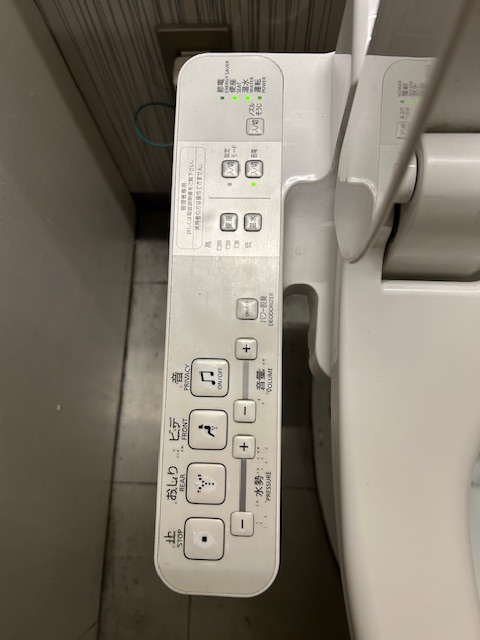
Japanese toilets have sensors. If you, ehm, drop a load, they start covering the activity with pleasant noises. There’s a button on the toilet marked “privacy” should you choose to work manually knowing you will deliver a physical payload.

Amidst the same row of buttons you will find something that looks like a woman sitting on a geyser. That’s for cleaning up after the payload. Another button is marked “shower” and that’s for general cleanliness. The geyser button is targeted to crevice clean. And baby, it leaves no corner unexamined.
Instruction manual

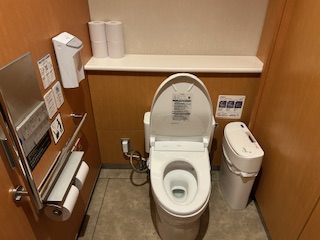
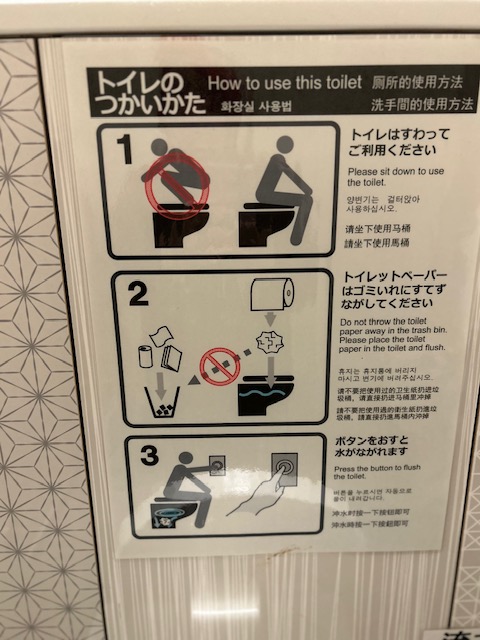
Which is essential, because Japanese toilet paper is thinner than the alibis of a cheating spouse. That stuff won’t take crap from anyone. You need to learn to use the geyser; the faster you accept this and move on, the faster the person pounding on your stall door can get in. Because you’ve probably fallen asleep in this comfy stall, equipped with its own sink for hand sanitizing, the aforementioned heated seat, and those soothing sounds–plus a baby seat for moms. Plunk your kid down, then plunk yourself down.

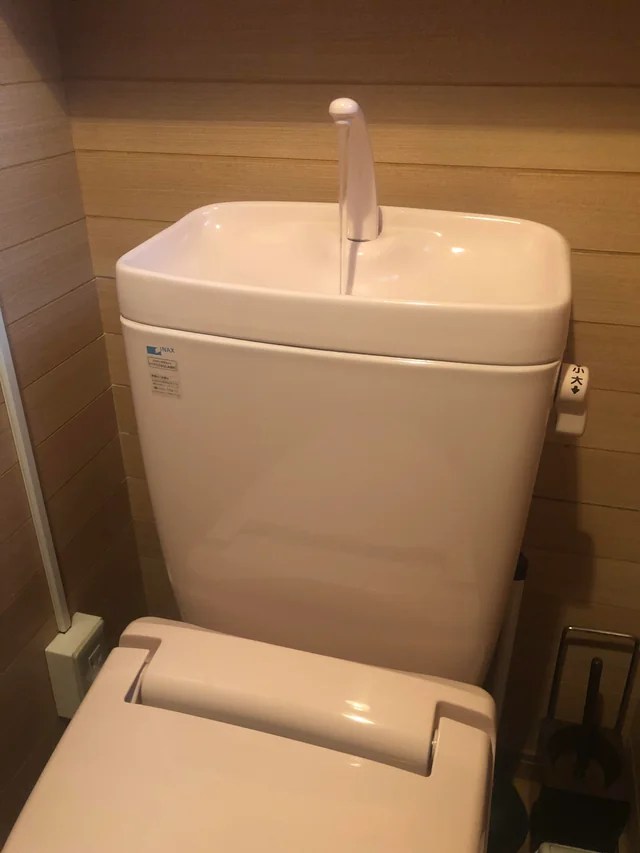
Those sinks are amazing things. Sometimes the spigot is atop the tank of the toilet, because the water refilling the toilet tanks pumps clean. This freaks visitors out at first: it feels so unsanitary! Which is what the Japanese people are thinking about the foreigners: why won’t they use the provided sinks; what have they got against handwashing?!
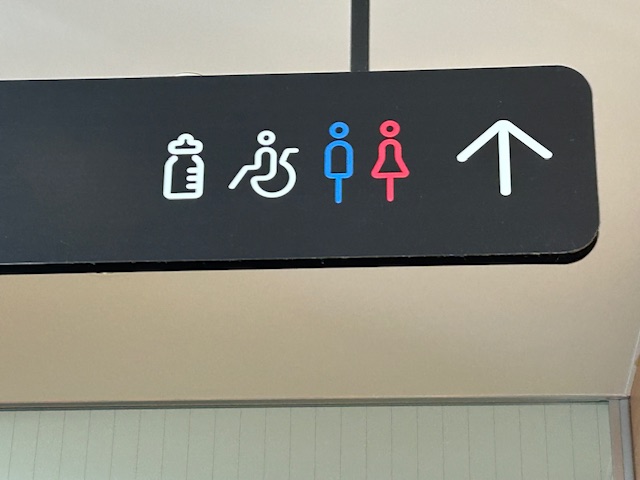
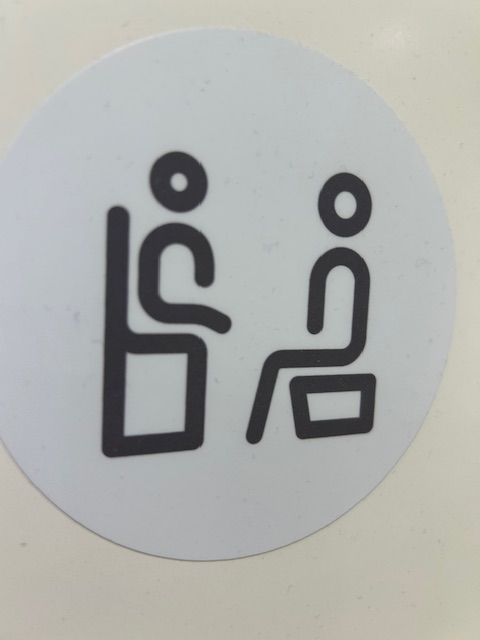
Simple enough: gender neutral toilets use all the symbols
I beg your pardon?!

Amidst these high tech rows of buttons and lights and sink choices, one will find squatter toilets. India has a high population presence in Japan, and when you walk into a public restroom, at least one “stoop and sluice” squatter toilet offers no bells, no whistles, just a handle to put water into the hole instead of a bucket. The hole is toilet shaped and porcelain lined, but squatters is squatters and you can tell who drew the losing straw in the toilet line by the faces of the women waiting, who realize they are going into the squatter. Sometimes women offer the next person in line their spot at these. If an Indian woman is in line, she’s going to be offered a pass to the head.

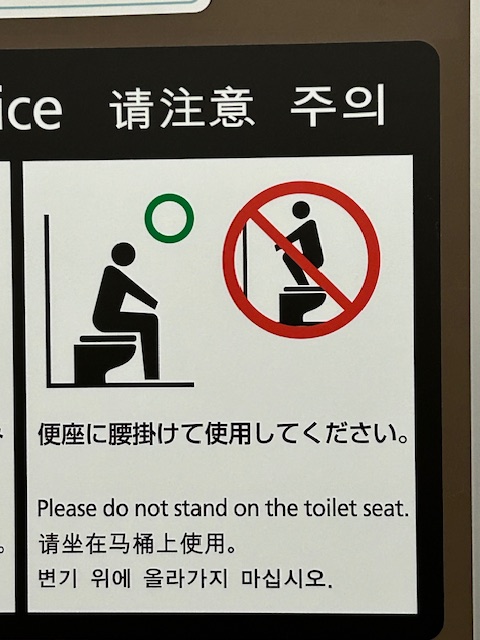
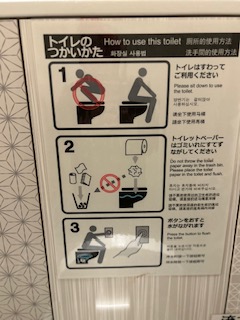
Then there are the signs. One says please don’t stand on the toilet seats in English, Gujarat, and Japanese. Most are pictographs, and can be open to interpretation. I never did figure out what two people facing each other meant. “This toilet available for meetings?”

Overall though, it’s not hard to be a proper toilet visitor, once you master a few simple rules:
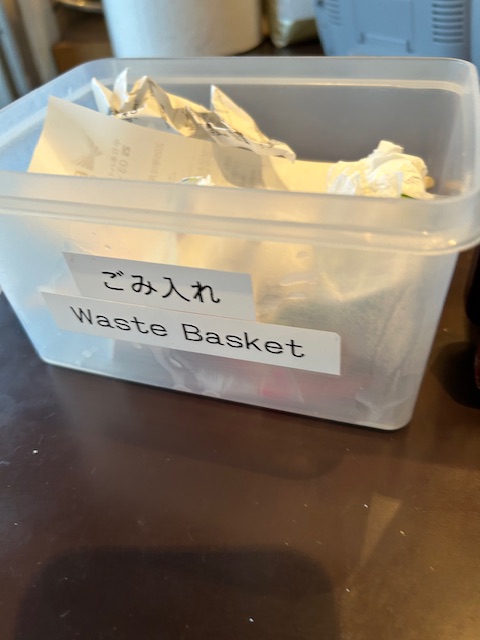
Yes, that is a small Tupperware box
  1. Use the water features to clean and the toilet paper to dry, or you’re going to regret it. Wash your hands in whatever sink the stall provides.
  2. Do not throw trash away in the sanitary pad disposal. Trash is a whole thing in Japan; no public trash cans, and signs everywhere saying “If you didn’t buy it here, don’t throw it away here.” Pack a trash bag with you.
  3. Carry a drying towel. Per this reduce trash rule, Japan does not provide paper towels in for drying hands, and often doesn’t have air blowers either. Pack a small washcloth with you, or buy one as souvenir. These are sold everywhere with every possible character and design on them, because the locals are carrying them as part of their daily lives.
  4. Put the toilet seat down after flushing. (I once had an attendant stop me as I was leaving, check the stall, then beam at me. She hadn’t expected me to know to put the seat down. This elderly woman literally patted my hand as she indicated I could go–and with her blessing.)
  5. And whatever you do, don’t make a scatological noise without the noisemaker on. Do yourself a favor and start it when you sit down. As the waterfall and birdsong floats into your ears, and the heat of the seat works its way into what is often the fleshiest part of female anatomy, relax and enjoy it. They’re not called rest rooms without good reason.
Japan: Please Send Bail Money

Amelia and I have racked up quite an impressive list of cultural faux paus and international criminal activity since arriving in Japan. Here are some fun facts so you can avoid arrest.

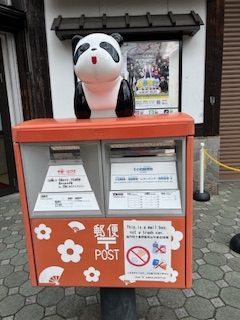
There are no public trash cans. You buy it, you carry it until you get to your home, hotel, hostel, what have you. In desperation once, I stuffed a leftover plastic container in the corner of an obscure toilet in a remote area – and waited for the sirens to go off. The postal boxes in Japan wear signs saying more or less “Yo, westerners, this is not a trash can.”

Several of our crimes involved toilets. We were desperate to reach one at an unstaffed train station, and our Suica card (the subway pass) activated the barriers on the exit machines. We pushed on through because, toilets. We believe we committed a $4 crime, not paying for that train ride.

Toilets in Japan are intimidating. They come with a long row of buttons whose symbols and names are equally bewildering to the Japanese kangi characters accompanying them.

One has musical notes and says ‘privacy.’ I thought “Well, a little music would be fun,” so pushed it.  Waterfall noises began; it’s so you can poop without disturbing your neighbor.

The privacy feature will auto-activate. I discovered this the morning after our spectacular Indian curry meal—the results of which were equally spectacular.

The buttons on the toilet led to our next international incident. Amelia took me to this swank department store (the Japanese Saks Fifth Avenue) where they keep a constant display of goldfish. For $20 you can walk amongst them for an hour and that’s the best $20 I ever spent. Photos tomorrow.

But the toilets in that café offered a dazzling array of support features (plus those fabulous heated seats; Japanese toilets feel so good when you’ve been walking all day, like little rest stops for weary bones).

When I started trying the smorgasbord of features, water shot up parts of me that don’t normally get that treatment; I pushed the privacy button to drown my yelping. Then I couldn’t find the off button, but inadvertently appear to have found the call attendant button, because one of the four Japanese words I know is “help” and the lady standing outside my toilet door a moment later was definitely asking if I needed any.

I finally got the buttons turned off—including, unfortunately, “Flush.” That was not one of my four words, so explaining to the long line of well-heeled women waiting their turn was difficult. “The American broke the toilet” I am pretty sure one of them said over her shoulder. They shot me sympathetic-to-hostile looks as I slunk out.

A lesser amount of slinking accompanied our ride on the bullet train this morning. Shinkansen trains require supplemental tickets; as they were heavily booked Amelia and I got the last seats of 10 B and 11 B—because the center seat is never cool. We boarded to a wall of blackness- and not just hair and suits. When you get on public transport in Japan you realize just how little color people wear. Except the pubescent girls. That’s a different thing altogether. Everyone else is in shades of black and grey, and of course most Japanese people have black hair.

The businessmen—to a man; we were the only women and the only foreigners in that train car—glared at us. Maybe because my Hello Kitty laptop case is pink. Or because after four days in Tokyo souvenir shopping we could no longer fit our shoes into our backpacks, so had them tied outside. I tried not to hit the guy in 11A in the face with my tennis shoes as I deposited my overstuffed bags overhead, sat down, and pulled out my crocheting.

Since I now have three pieces of luggage and the train was only stopping for a minute at our destination, I started gathering stuff five minutes before. Which meant I wound up facing backwards standing up with bags in my seat, while the men on either side of my tried very hard to pretend none of this was happening. They wore suits, had laptops, and did not want to be associated with my weirdness in any way.

But as I rode backwards like a puppy with her head out the window, a guy several seats along looked up from his laptop, did a double take, and then pulled down his mask to grin at me. Well okay, then. If the Zombies showed up on this Train to Busan, we’d team up with him. At least he wouldn’t throw us to the flesh eaters first to save himself, not like the rest of these guys.

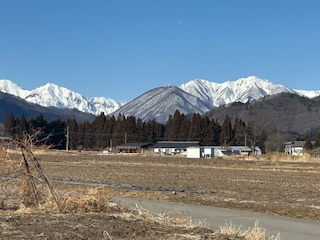
We descended at a tiny little place called Gokan and discovered we would have 96 minutes to enjoy the snowcapped mountain vistas around us, because the bus to our hotel wasn’t coming until then. Ah well. A slowdown after Tokyo will be nice. So long as the law doesn’t catch up with us. Or any of those guys from that bullet train.