
The Problem of Pain–

Jack gets in just over the line again – –

The title of this post is also the title of a book by CS Lewis based on a lecture he presented. In both he tried to explain why a nurturing God would allow people to experience sometimes terrible pain. He likened it to a sculptor chiseling at a piece of stone to eventually reveal the perfect person inside. The pain is the chiseling, and it has to be endured before you can emerge from inside.

I know some people who have chronic pain and who might question that analogy!
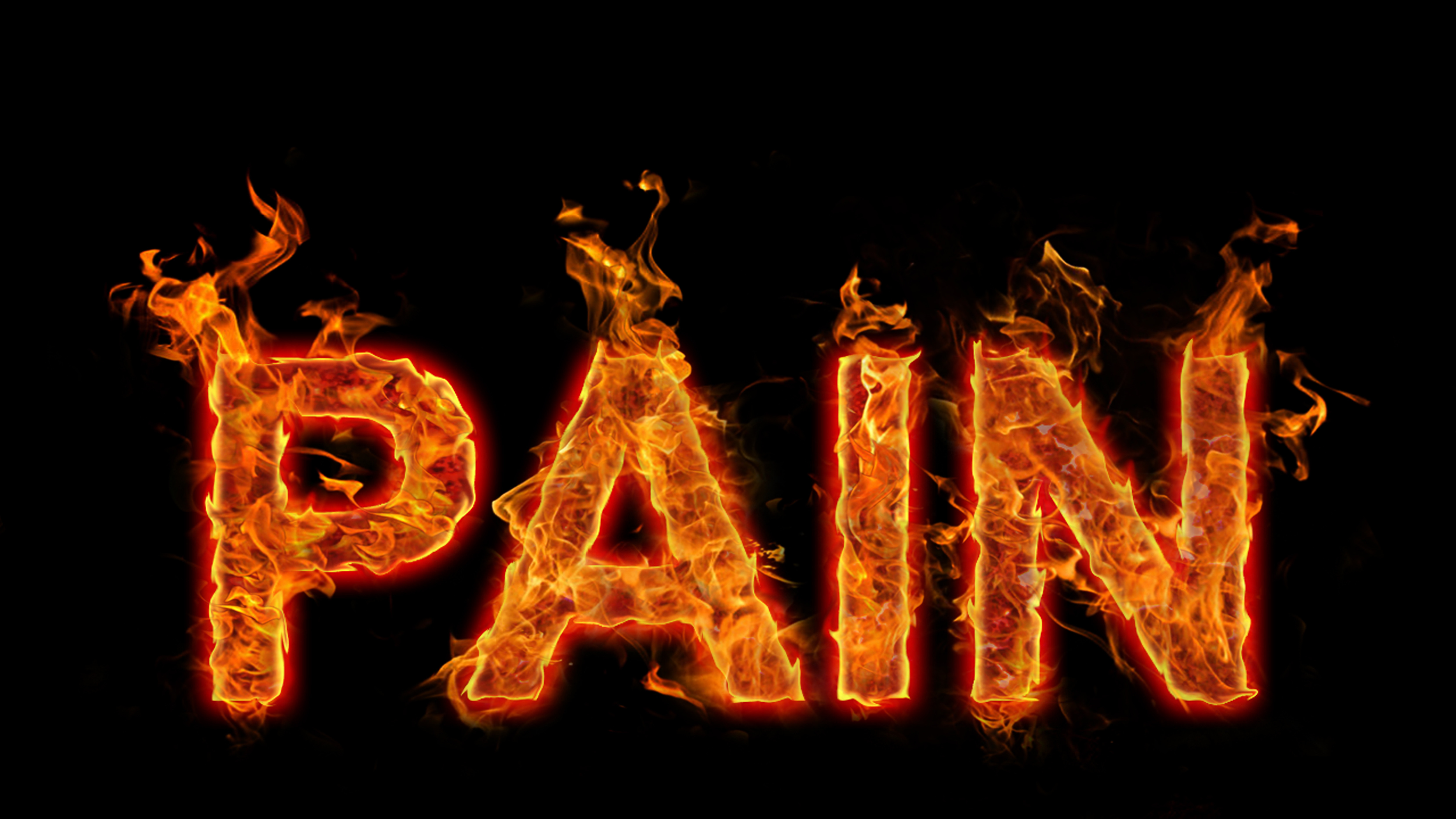
However, I am an admirer of Lewis, and this post is on a simpler level. I have often said that you can’t enjoy the lack of pain until you have first experienced it. I’ve been mostly lucky with my health over the years, so my brushes with pain have tended to be fairly short lived, but when it goes away, there is an almost indescribable feeling of relief – almost euphoria.

A recent example –

A couple or so months ago I bought a new pair of shoes and immediately felt as if they were pinching one of my toes. So I swapped back to the old pair, but that didn’t help. I even went to a pair of soft slippers but still felt the same pain with them. So I made an appointment with the local podiatrist. This very nice guy had a close look and found that I had an ingrown toenail that had caused a callous to develop. Half an hour later I walked out to my car with no pain at all.

There’s another side to all this, which is, of course the opioid crisis sweeping America. Originating in the overprescribing of painkillers and then spreading to wider communities experiencing both physical and emotional pain. But that’s Wendy’s area of expertise and research – –

I certainly don’t mean to denigrate Lewis or any others who have tried to theorize about this subject. I’m not particularly religious, although I am a believer in He She or It. But I struggle to understand how a truly nurturing Deity would not intervene to prevent the worst pain. Something worse than an ingrown toenail, I mean.

Maybe opioids are the answer, and we as humans have screwed that up, too.

Come back next Wednesday for more from Jack
The Monday Book – How to Say Babylon by Safiya Sinclair

Guest review by Janelle Bailey, avid reader and always learning; sometimes substitute teaching, sometimes grandbabysitting, sometimes selling books

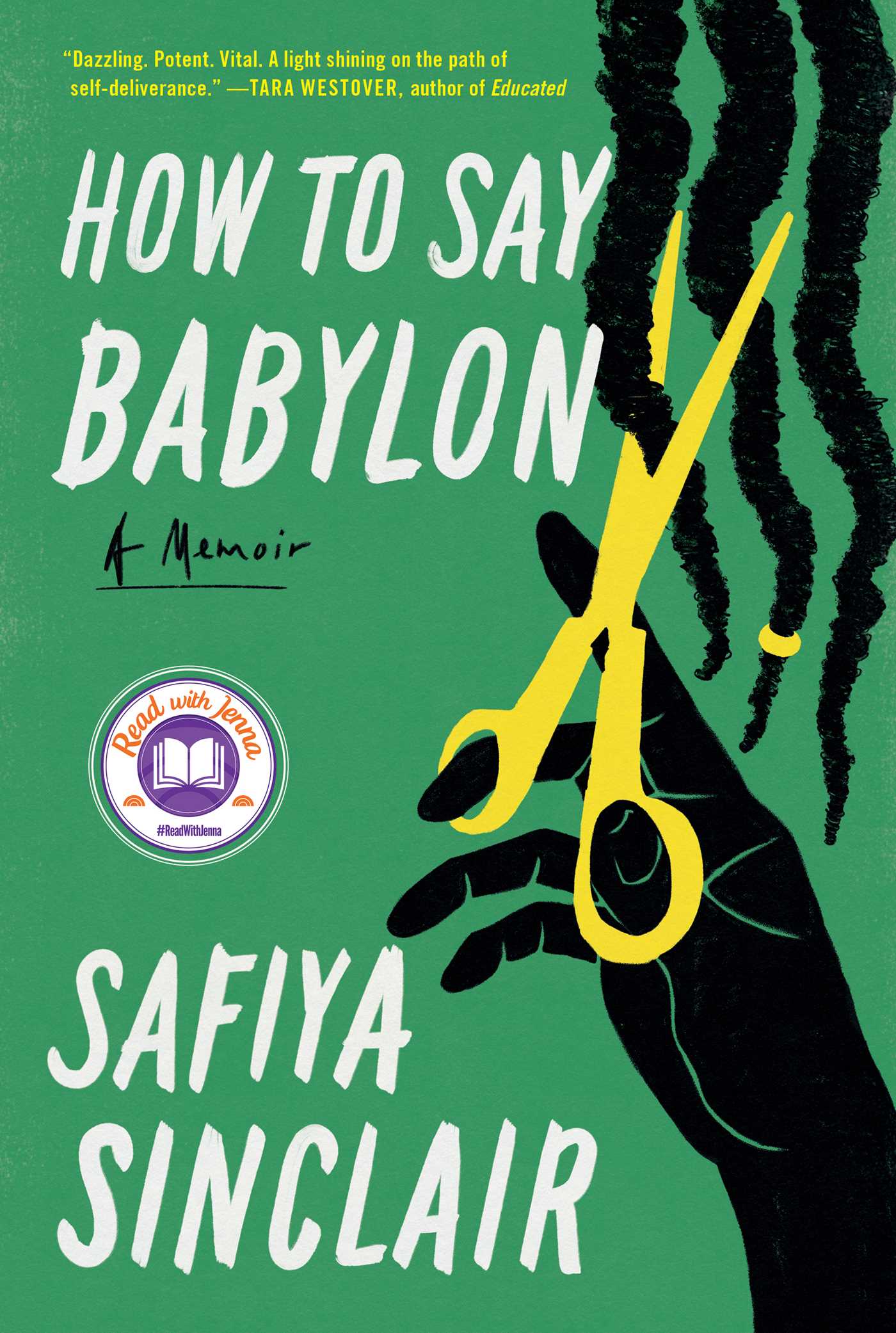
How to Say Babylon by Safiya Sinclair

How to Say Babylon by Safiya Sinclair

Who or what prompted me to add this book to my hold list at the library…I have no clear recollection, but once again the book I needed to read right then came to me in some sparkly wonderful “other”-driven way and beyond the fact that it was “due” back next.

In this case the thing you need to know is that all I have wanted for Valentine’s Day and for a long time was to see the movie One Love, the story of Bob Marley, coming out that day. This book, How to Say Babylon, which I started reading the weekend before and having no idea, prior, what it was about, is Safiya Sinclair’s memoir and all about her childhood and upbringing in Jamaica, her little family very strictly ruled by her Rastafari father. And without having any idea that I needed or wanted it to, it so conveniently provided a wealth of relevant background to the Rastafari culture her father a Bob Marley fan and follower in crazy similar ways.

But again, I did not have any idea that was even what this book was about until I started reading it. Sinclair’s father not only also lived the Rastafarian–a devout and rigid mix of religion and culture, following and built from the idea that Haile Selassie, Ethiopian emperor, coronated in 1930, was divine. Like Bob Marley, as well, Sinclair’s father fully lived the Rastafarian way and also made his living as a musician throughout Jamaica and its resorts, gone from home for long periods of time, and his brilliant wife, Sinclair’s mother, doing her best by the children–and many children–in excellently educational ways.

Safiya Sinclair is an amazing woman, quite clearly. She is a “survivor” of the very same situation likely intended to nurture and raise her by the standards in which her father wholeheartedly believed. Her memoir addresses her discovery, throughout her childhood and into adulthood, of all of the ways in which her father may have believed he was doing “right,” though often wronging her and her siblings in a number of ways. He disrespected them all, regularly, at the very least. And she is amazing because she did not merely survive that; she worked through and detangled more than dreadlocks in finding an adult relationship with her father. I won’t spoil a thing about what all happens in between. It’s a complex, very well-written story.

Sinclair somehow, despite all of this “from home” working against her, was strengthened from the inside to believe in herself and find her way through all of it. She found her voice as a poet, a very young poet, and then was finally able to remove herself from that situation and all of the ways in which it silenced her. And she thrived…right into writing this complex memoir.

And it’s not just that she tells an important story–her own–but that this is also an extremely well written book, engaging in its storytelling and motifs and themes, as well as a success story building through the difficulties of being raised by someone whose truths are not so valuable for all involved.

Sinclair is, here, a voice for many as she conveys so clearly the challenge and complexities that can be present in many a father-daughter relationship., as well as specific to her own. The pedestal upon which daughters place dads…and then the challenge that it can be to communicate authentically…is an age-old one. The stories she tells are specific to her experiences with her father, but the feelings she so clearly conveys may fit many additional readers in a more general sense.

I highly recommend the reading of this book.

Come back next Monday for another book review!