Sorry about yesterday, everyone. Traveling in rural areas of Scotland makes for spotty Internet. But all shall be forgiven, because I have now seen, in person, the Edinburgh Book Sculptures!
If anyone doesn’t know, I am a fanatic for these things. The backstory is best told on a different site, so I’ll just give you the basics here. In 2011, a mysterious little paper cut statue of a tree growing out of a book appeared in the Scottish Poetry Library. It was titled “Poetree” and had a tag honoring books, ideas, and words, thanking the library for existing.


Everyone thought that was nice, and then shortly a second statue appeared. And soon they were everywhere: the National Library, the Storytelling Centre, the Writer’s Museum, the Filmhouse, the Central lending library for Edinburgh, and the National Museum. Always celebrating words and ideas and thanking the institution (all of whom had free admission) for being there.
The sculptures gathered enough attention to have a book put out: GIFTED. And the best part is, once the sculptures gained international attention, it didn’t take the media long to figure out who had made the statues. And at her request, they withheld her name. So very British.


The other fun part about the sculptures is the books they are made from: the dinosaur from AC Doyle’s Lost World, the Hyde street scene from Dr Jekyll and Mr Hyde. And most of the rest from Ian Rankin novels (a great crime writer based in Edinburgh).


This is a random sampling of some of the statues, which I have now finally seen in person. Some of the venues were rather startled by my ardent worship, but I am a happy person.


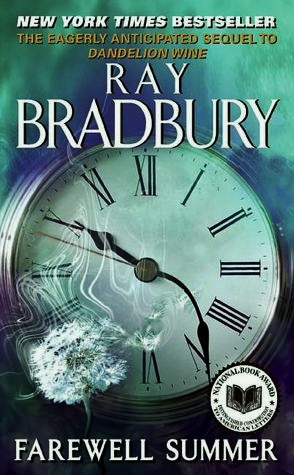 Bradbury is one of my all-time favorite authors, even though he breaks all the rules of what I normally like to read.
 Wendy Welch: Books, Yarn, Cats, Opioids