
The Monday Book Review

The Monday book guest review by Jack

Although I do read the occasional novel, my preference leans towards biography or history. So today’s book is Total War by Peter Calvocoressi and Guy Wint.

You might wonder what a Quaker is doing reading books about war, but it’s really to try to understand why these terrible things happen.

This is a weighty book in a number of senses. It deals with the 2nd World War, but starts from well before with historical background around the world. It examines the political pressures and options, not just in the main protagonist countries, but also in places that aren’t usually given much attention – such as China, India and The Balkans etc.

I quite like the fact the book has a good deal of opinion in it as well as straightforward facts. I’ve always held to the frequently expressed phrase “history is written by the winners” and most other books I’ve read about WW2 pretty much exemplify that (maybe because most were written shortly afterwards). So it was refreshing to find detailed accounts of the attitudes, points of view and shifting pressures, not only in Britain, The US, France and Germany, but also in Japan, China, India, Poland, Hungary and The Balkans.

While there is personal opinion here, it didn’t strike me as polemical or partisan. For instance I was pretty much unaware that for many Asian and Pacific countries the war really became a choice between which empires to be part of and where there was an emerging independence movement where their best option lay. Even in Europe there were groups and recently established countries that had the same difficult choices to make.

This is a big book, but highly readable . I learned a lot from it!
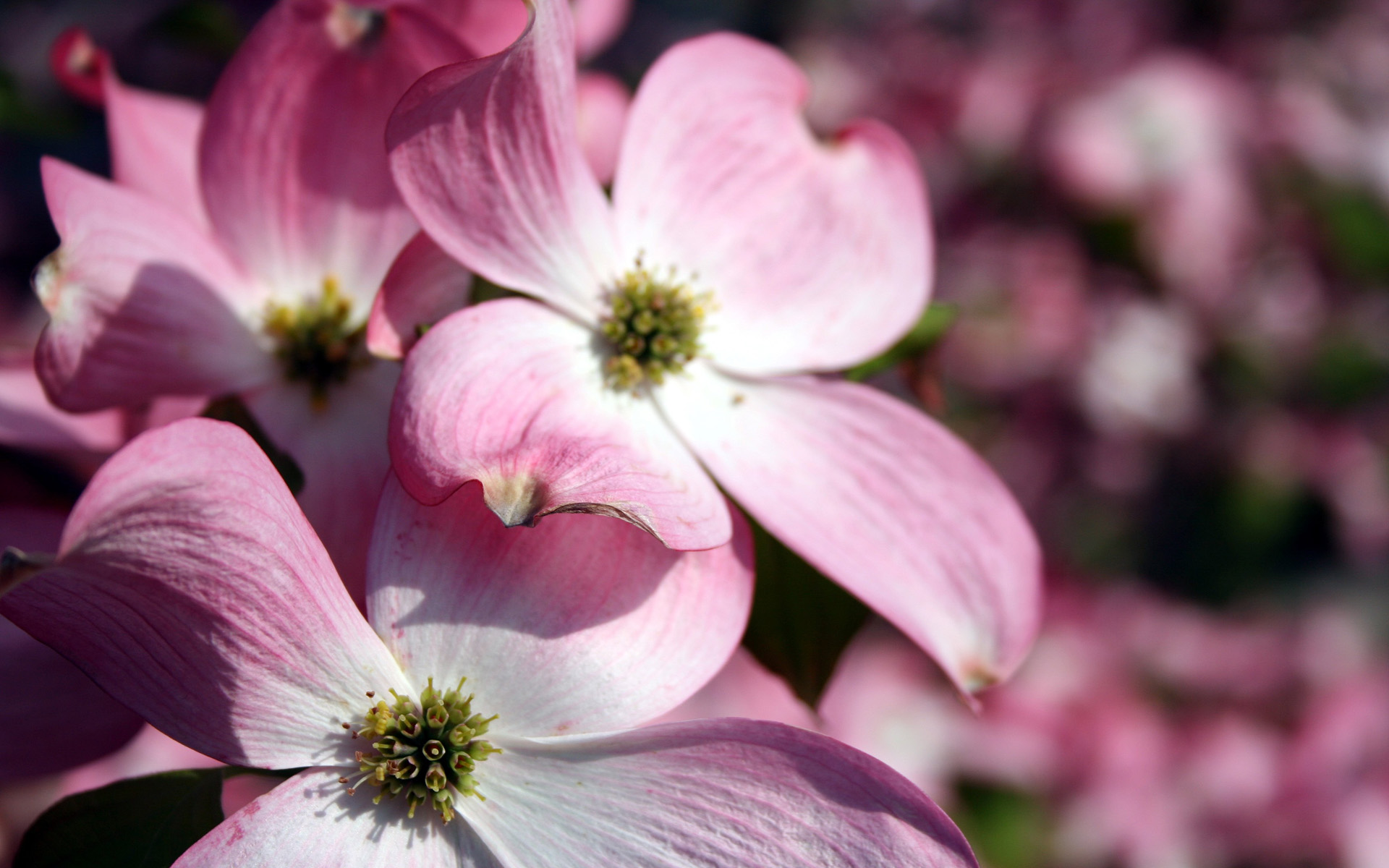
The Monday Book: The Language of Flowers by Vanessa Diffenbaugh

dogwoosI like flower language, and I’m deeply embroiled in a storytelling project involving fostered and adopted children in SW VA right now, so finding this book on clearance at a used books store in Knoxville, Tennessee, it was a no-brainer purchase.

It was easy to get into, but perhaps hard to stay with; this literary novel has a weird dichotomy running through its middle. On the one hand, it is about tough, stupid, needy, intelligent Victoria, a child who ages out of foster care and lands hard/soft/hard/soft as the book progresses. She’s hard to love, but everybody around her does. And the only way this tough, I-don’t-care girl can communicate well is by flowers. She uses their Victorian meanings to say what’s on her mind.

So does her 20-something suitor. And her foster mom and FM’s estranged sister. It’s kinda hard to buy. But what was it Isaac Asimov said – that every writer gets one free pass at an unbelievable premise built into his or her story? Diffenbaugh got hers in early on.

Still, as bad as the flowers strewn along this bed of thorns tale of dysfunction are, her characterization of Victoria is compelling. Just Victoria, though: the other characters all kind of serve her, appearing as extensions of what she needs.

This is not a character-driven novel. The flowers are running the show. And if you’re willing to believe that could happen, it’s a good read – compelling forward motion, an underdog to root (ha) for, and some very believable circumstances for the foster kid.

On the other hand, perhaps too much perfume, not enough manure, for the growth the characters show. A mixed review, but I can say that I enjoyed reading it, and only began to think “Hey wait a minute” afterward. It was good escapism, and a pretty good depiction of the inner chaos of a foster child who ages out. Just don’t confuse the elegant narration of this fiction with anything like journalism, and we’ll be okay. Ain’t no foster kids in SW VA giving each other flowers, jobs, or free passes.

(If you would like to see the blog on ADOPTION IN APPALACHIA, it is adoptioninappalachia.com. Go take a look at some real stories and advice on the subject.)