
The grandchild of two women who survived the Great Depression, I grew up watching my paternal grandma stick straight pins into a potholder on her stairs. No matter how bent, she would hammer them straight if necessary, and into the little blue felt heart (made from scraps of another project) they went. She had a jar of thread balls. Meanwhile, maternal grandma “Nanny” cut plastic milk jugs into scoops or used them to store well water against drought. Both hoarded bread wrappers and the plastic bags inside cereal boxes.
Maybe that’s why I’ve never found the line between hoarding and recycling. Plastic storage containers with no lids? Heck, I can start tomato seeds in them come Spring. Books from 1970 about education policy? Craft time, baby!
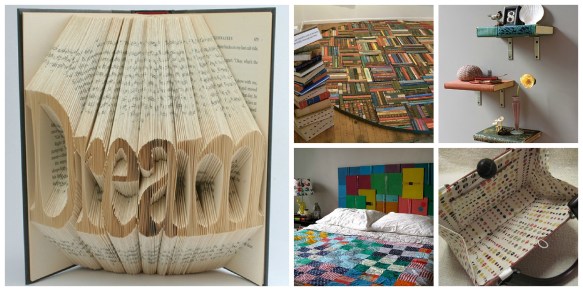
Except, it never is craft time. Neat stacks of “things I’m going to make as soon as I have time” turn into spider condominiums in the garage. Boxes of one project get pushed to the rear behind other projects.
Still, I persist in refusing to throw things away, because gosh darn it, we all need to reduce our footprint on this planet. It feels more gracious to save the string too short to be saved in an old mint tin, then throw the whole thing away when a mouse starts nesting; now it’s a health hazard rather than my wastefulness.
(I would have set it out for birds to use, but FB says that’s bad for their health….)
Old bottles I can figure out; paste funny slogans on the side of them with scrap paper: Tincture of Smarm, Diplomacy syrup, Integrity Supplement. These are on a shelf in my office, and they amuse me. But there’s only so much room on the shelf.
Ziploc bags get rewashed and reused, but when I tried to make ice by freezing water in one the other day, it had pinholes and all the water leaked out into my chest freezer and now there’s something of a defrost crisis out there. And sometimes people edge away at the pool when they see my sun hat is crocheted from plastic grocery bags.
I was unraveling a sweater to save the yarn, and the big hole up its back meant every piece was about six inches long, but I kept tying them into the next string until Jack physically took it out of my hands and said, “Dear. Really?”
Save money, save the planet, but they never tell you how keeping stuff loses time–the other American failing. Saving time is a virtue in our society, perhaps more important than saving ourselves?
Having been a student for 12 years, every late July/early August, the urge hits to reduce my belongings to what can fit into a Toyota hatchback. It’s a grad school thing. It’s not good for marriages. But it does keep me from becoming a permanent hoarder, when my grad student side fights with my grandmothers’ DNA.
Should I throw away the box of envelopes stamped with an old professional address, or keep blacking them out with a marker and writing mine below it? Will I take that bag of mismatched socks to the trash (but they’re great for stuffing crocheted animals!) and give up ironing wrapping paper? Can I deny the penny-pinching miser I am for the sake of a home where I’m not tripping over stuff that will come in handy someday?
It’s a dilemma – to save or not to save, that is the question. Whether ’tis better to pay up at the store or feel like you’re beating the man and saving the Earth every time you stuff another box of weirdness into a closet?
Simplicity was never this complicated in Nanny’s day….

 Wendy Welch: Books, Yarn, Cats, Opioids