

Shopsitter Jennifer says Hi

jenniferDear Tales of the Lonesome Pine,

I hope you’re doing well. I’ve heard so much about you. I read Wendy’s book, and I look at all the kitty pictures that you post to Facebook. I love cats, and you seem to be full of them, so we should get along fine.

I just wanted say hello, because I’m going to be staying with you for a while. I know you might be feeling a bit of apprehension about Jack and Wendy leaving for a whole month. I understand. I would be feeling a little apprehensive too if I was a bookstore and I was going to be left in the who-knows-if-they’re-capable-or-not hands of a complete stranger. You might be thinking, does this individual know anything at all about running a bookstore? Can she tell the difference between a trade paperback and a mass market? Can she alphabetize? What’s her favorite book? Does she have a favorite book!? DOES SHE EVEN READ!?!? Well, I’m writing to assure you that I know what I’m doing. Really.

I’ve worked in two bookstores over the years, and not a single book has been harmed or mangled under my watch. Because of my excellent customer service skills, I’ve never had to tackle a single shoplifter, and every book signing I’ve ever planned has been well attended. Well, there have technically been attendees present at every book signing I’ve ever planned. Two count, right?

As for animal care, no problems there. I’ve had the same cat since I was thirteen. His official name is Picasso, but we just call him Kitty. Whenever I sit on the sofa, he sits next to me, and stares intently at my neck. I get the feeling he’s thinking about the last bath I gave him, but I’m hoping it’s just because he likes me a whole lot. We do have a special bond. He let’s me brush him each day for a whole minute and a half before he bites me with his only remaining tooth. I’m pretty sure it’s a love bite.

See? Everything’s going to be just fine.

Your Humble Shopsitter,
Jennifer
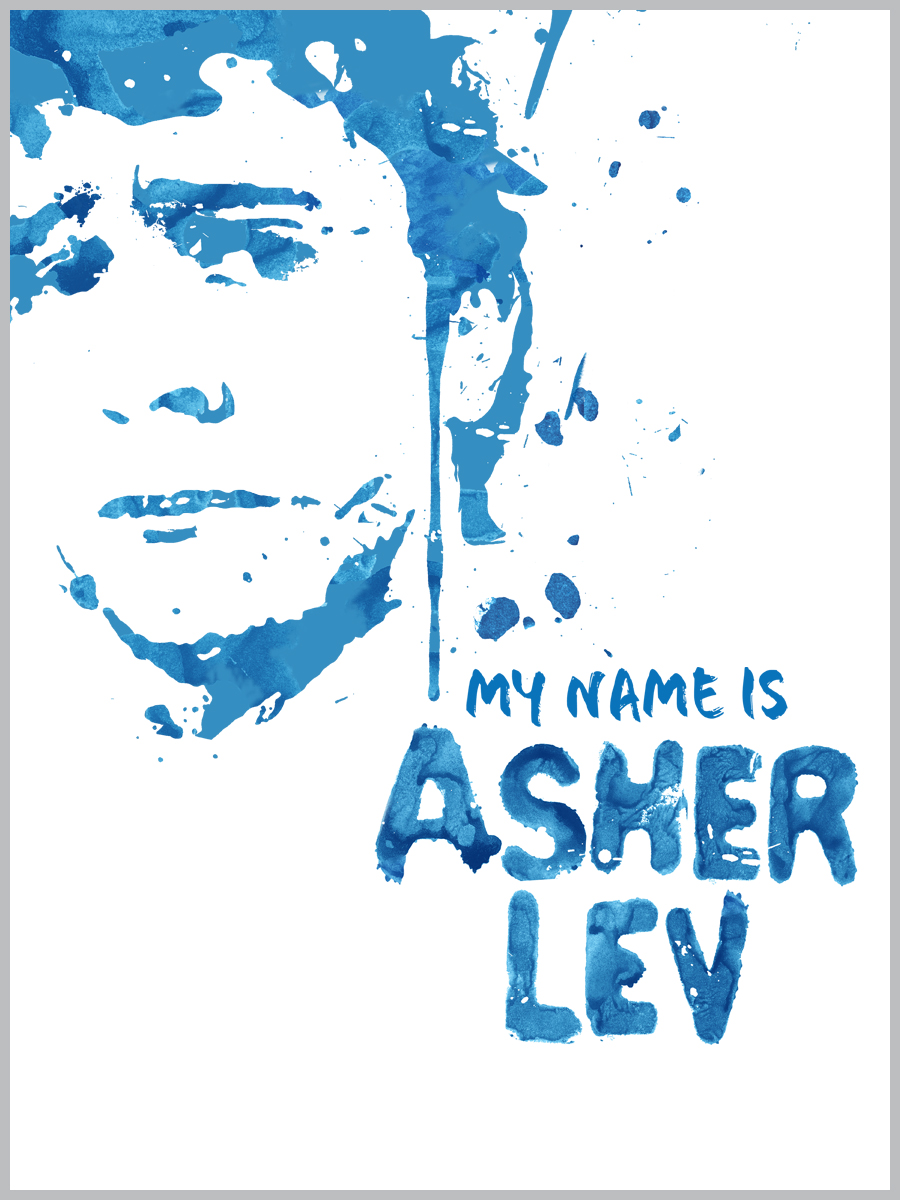
The Monday Book: MY NAME IS ASHER LEV by Chaim Potok

I discovered Potok in high school, and entered a world very different from my own. (And isn’t that part of why we read, to find the places where things are so very different, yet common threads run through them?) Hasidic Judaism and big cities are neither one familiar to me, and yet the points on which this story turns are accessible because they’re based on human connections. What I read as lovely background, people from other communities and cities would read as familiarity; perhaps Potok’s genius lies in depicting a world so well, people from both sides of the window can see it without distortion.

Potok has a lovely way of just telling his story, and letting you think what you will. He almost writes like a literary television: here is the scene. What, you don’t understand the facial expression on the protagonist? Well, figure it out.

I really, really like writing that gives the reader his/her own sovereignty. Asher Lev is about a brilliant kid who, if you want to put it in simple terms, was kind of born into the wrong family. Except he wasn’t. They love him, but he’s… wrong for their way of life. He’s a very gifted artist in a family that doesn’t even have pictures in the house because of strict beliefs. His genius leads him to create a division in his family that causes all sorts of things, including a betrayal of his religious identity and, ultimately, his parents. He betrays his father by painting his mother, while his whole life is one long, slow betrayal of her, as she stood between the two of them and helped her son achieve greatness. In doing so, she gave him the tools to cut his father to the core. It’s an amazing story.

But the whole story is told from Asher’s point of view, much of it as a child, so it flows past in the background while he concentrates on making art. He’s something between a straight shooter and an unreliable narrator. When his parents won’t buy him paint, he takes him mother’s coffee and cigarette ashes and uses them with pencil to create a color effect, without recognizing what his father sees, watching him do that. Did you see the scene in the film Billy Elliot, where the dad–opposed to his son’s dancing all this time–watches him break into dance in their kitchen, and gives up?

Asher is a sickly kid, but his mom is pursuing a PhD at the behest of the Reb, and his father is deeply involved in politics and even some clandestine missions on behalf of the community. None of which this child cares about. He’s painting. It makes an interesting read, and a conflicting experience as to whether Asher is a heroic protagonist or not.

The story reminds me a little bit of an essay called “The Monster,” about what a horrible person Wagner was and how incredible his music is. Asher Lev is a book sort of like Vanity Fair, one of my other favorites. It has many heroes and none.