Trigger warning: this book hits almost every trigger there is.
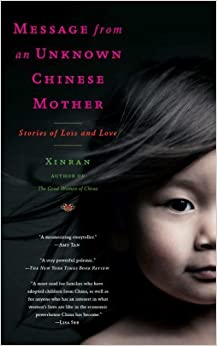
Xinran started listening to mothers in China tell stories of having to kill their girl babies in rural areas, and broadcasting them on her radio program. What happened startled her: urban people called in with their own stories. When she started broadcasting these as well, the urban mothers got very little sympathy. Other women called them names.
Chinese suicide rates among women are hyper-high. This is an incredibly sad and yet insightful book. The stories start in rural areas with the water placed in birthing rooms for women to wash a firstborn son or drown a firstborn daughter. It’s that blatant. Don’t ask about the slops pails.
If you make it past this chapter, some of the amazing stories spread across women who took changes, women who were given no chances, women who didn’t have options, and women who did. I admire Xinran’s spread of experiences (including her own as a foster mother not allowed to continue under the one-child policy). Her assessment of the Chinese government’s disinterest in how policies affect actual families is fascinating, as is her ability to differentiate between urban and rural thinking with its layers of subtleties.
I started this book twice, because of the early chapter about direct killings in rural areas. It’s not an easy book to read, but its information is neither sensationalized nor accusatory. She’s just writing down the stories and the feelings that went with them.
In light of China’s recent change in policy to inviting more children, I went back and made myself finish this narrative journalism book. I’m glad I did, but state clearly it’s not necessarily something everyone will be comfortable reading. Triggers include domestic violence, poverty, rape, and victim blaming. Read carefully.



 Wendy Welch: Books, Yarn, Cats, Opioids