
And the Award Goes To Most of Us

I’m off to my first ever awards ceremony for the Associated Press Virginias Broadcasters Award. Which is fitting because I’ve been nominated for my first ever story for Inside Appalachia as a Folkways reporter.

The story was on mushroom hunting’s popularity. You can read/hear it here.
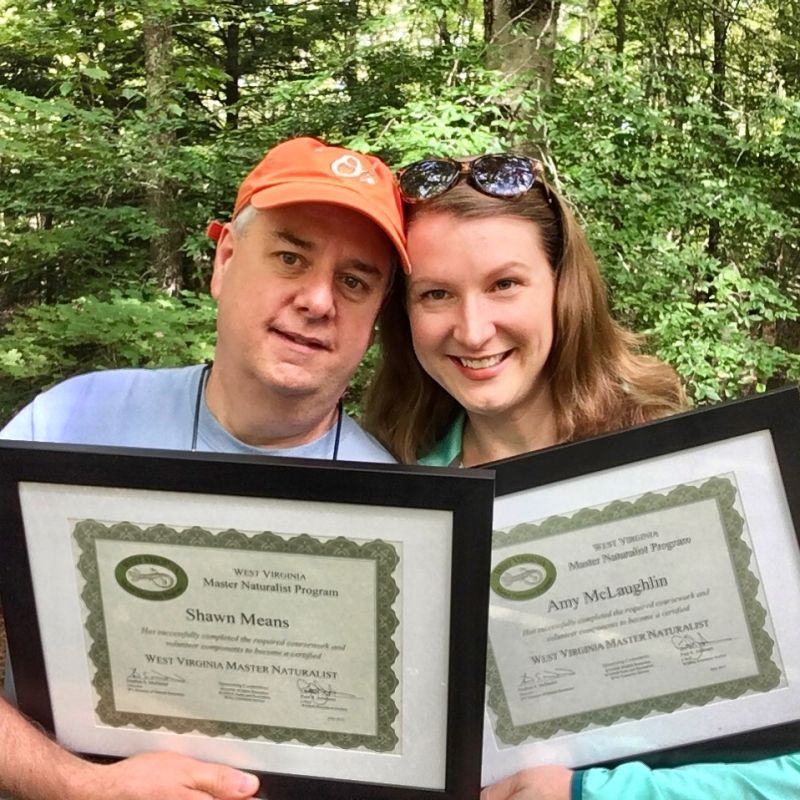
The group of people who work in broadcasting are fun but also funny. Ageism reigns supreme, which is interesting in a culture that honors its elders. A lot of the stories we produce are about people in their golden years who have practiced their art form for decades, so the attitude toward the older reporters can border on comedic irony at times.

It is fun to learn a new skill later in life, notwithstanding the heaved sighs and eye rolls of those who expect us to be less interesting/intelligent because we don’t know about all the tech they learned to use in college. Children, we know things you will not learn for another decade or so, and that’s why we see more clearly through our bifocals. Don’t worry about it; you’ll see someday. And laugh about it, just as we do. (At you.)

Meanwhile, let the good times roll, rather than the eyes. You’d be surprised what good conversationalists someone with a few wrinkles about the eyes can be. Those lines? They mean we laughed a lot. We saw things. We could interpret them. We have thoughts that we are smart enough to keep to ourselves unless invited into safe spaces for conversation.

So I’m off to the award ceremony, wearing comfy low-heeled shoes and a bright smile. It will be fun; I’ve never been to one of these and I look forward to meeting some new friends. Or watching from the corner as people schmooze. Both are entertaining. I’m taking some crocheting.

Two Movies, One Theme

I have a big crochet project on, which means I’m logging some serious streaming time right now. The other day I watched a limited series called UNBELIEVABLE. I’m not normally a true crime person but hey, it was one of the choices and it involved a foster kid.

The story was amazing: a girl who is raped in Washington State is not believable, and there is no pursuit of her assailant, but of HER for false reporting. Her tenuous life of security and safety come unraveled.

Meanwhile, in Colorado, the guy is still at large and it isn’t until he’s caught that the detectives – who are women and who have taken his growing list of victims seriously – realize he struck first in Washington. What the series doesn’t reckon with is how many women wouldn’t have been harmed if the first victim had been believed. It does a whole lot of reckoning with everything else, including how the police treat women if the police are men. The whole series never let up for a second, until the end–when it didn’t call into account just how much harm comes from disbelief.

Next, because I will watch almost anything about India, and I don’t know why, was a documentary called TO KILL A TIGER. I didn’t watch it because it had a similar theme – in fact I didn’t know the similar theme until I started watching it.

TO KILL A TIGER follows a family whose 13-year-old daughter is raped by three older teens. There is never a question that the events happened. The questions center around why the father wasn’t more protective (read: restrictive) of the daughter to keep her from being in harm’s way, why the girl thought she was safe to be at the wedding in the first place and how she encouraged the boys by dancing, which of the boys she should marry since no one else would marry her, and why the family were pursuing a criminal case instead of resolving it as a village matter.

The film even presents itself as a “you’re not gonna believe these backward villagers, and how they shame the victim and the family.” The 14 months of the proceedings are hard to watch. But the way the film more or less says “look at how awful this culture of rural life is,” yeah, no. The same stuff was in the film about Washington and Colorado cities. The foster kid “didn’t act like someone who was raped.” Victim shaming. She lived in a foster kid adult community, and was “upsetting the balance.” Same thing, different accents, different food.

It has taken me awhile to sit with this. Don’t for one minute tell me about the progress we have made as women. Tell me you can watch these two Netflix offerings and not see the same thing. Tell me the reason the case was cracked in Colorado wasn’t because two female detectives saw a different world than their male counterparts.

Go on, tell me.