
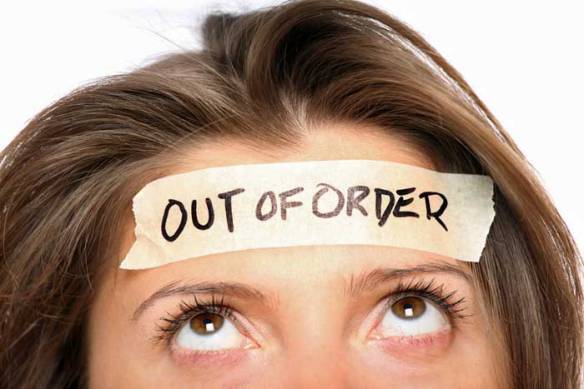
Meanwhile, in DC…..

mental-exhaustionEvery year I go to DC to advocate on behalf of rural Virginia inside rural America. We converge from all 50 states and a couple of charted territories, spending a day catching up on the annual stats in health and economics, then charging The Hill to talk to the reps and senators for our individual states.

I’ve done this about eight years now, and this year sucked. Most don’t, but this time around the mood in DC and the mood at the National Rural Health Association match each other: big smiles in front of shattered glass plates.

We’re in trouble, and we know it. Insurance premiums in rural places are 150-300 percent higher than in urban areas. Insurers are refusing to enter some rural markets as a second company because the competitiveness makes the money they’d earn so low, it’s not worth it to them. And the Affordable Care Act, the thing we were all told we had to champion as though our lives depended on it, is about to go bye-bye.

There were some very honest moments this time around. A Senator told this group of beleaguered altruists that everyone involved knew the ACA rolled out with “terrible flaws” but that this was “anathema” to say in DC. You could feel the room struggling not to cheer, because we’d defended that dog’s breakfast up one side and down the other, lacking a better alternative. Not that we want its repeal to be accomplished before a replacement is in effect. Baby, bathwater. Let’s not walk backwards just because we walked too far too fast the first time out of the gate.

But we’re also struggling with the exhaustion of the staffers on The Hill, those sweet little 20-somethings who are, in the words of one we talked to, “the interns on which the back of this government is balanced.” They are tired. They are exquisitely, mind-numblingly tired.

We were supposed to ask them not to repeal the ACA. We wound up asking what they were hearing about what could replace it. Their eyes just about rolled back in their heads. Some smiled, some growled, a few talked in such bland cliches (robust, rolling out new ideas, a healthy America is good for all of us) I started counting them. He got to 10 before he quit.

But there was also a little spark in each encounter this year. When we walked into the offices of our Congressmen and women, they almost to a human commented on the power of rural to change things. Some sighed, some celebrated, but nobody was discounting us as that voiceless group that doesn’t vote out there in the sticks.

My takeaway point from this year’s NRHA conference is in two parts: 1) We’re screwed. 2) We don’t have the luxury of despair. As one friend says, “no matter how far down you are in rural, you can always find a well and climb in.”

And as we have pointed out to one another, over and over again during this conference, rural power has never been stronger. We elected a president. We proved that the Electoral College is necessary as a protection for rural voices. We reminded people to listen to us. (You should see the parade of Senators eager to address this convention this year; some of them have no idea who we are and one spent ten minutes explaining Medicaid to a room full of rural health experts. Oops.)

So if we’re screwed, we will have to unscrew ourselves. We elected a president on the power of our beliefs and knowledge. Now we have to get our healthcare positioned to really look after us, the voices that didn’t used to get heard.

It’s a little convoluted, but it’s not all bad. People may be tired, but they’re listening.
Mattie and Peggy

When I was a child, we lived next door to my paternal grandparents. Grandma Mattie was a hard woman. She kept her life small on purpose. Mattie had three beliefs: God was good, people who liked to read were prone to moral turpitude, and the family in the house across the street worked for the CIA and were spying on her.

Her church didn’t allow wedding rings, and glasses were for years suspect–until someone somewhere in the hierarchy needed them himself. Grandma Mattie didn’t like to wallow about in the shallows of arguments, either; I actually couldn’t tell you whether she was intelligent behind her lack of education, because her speech was confined to sharp instruction on how young ladies should behave (more sewing, less whistling, if you please) and injunctions to eat more at dinner, we’d hardly touched a bite. (She was an amazing cook.)

Among her barked commands of moral instruction was one to my mother that I ought not be allowed to play with the Catholic children who lived in the Polish-Irish family next door. When Catholics died, their family took them to the basement and put them in the coal chute, near as I could understand Mattie’s pragmatic theology on the subject; this saved time for the bad angels taking them straight to Hell.

I liked Coleen and her kind-hearted mom Peggy, whose curly red hair was as wild as her laugh. The family was always doing weird stuff like holding backyard barbecues and working in soup kitchens. Watching Coleen’s first communion was a real trip for this Evangelical Protestant girl, believe me. Mom decided I could go because it would be a good cultural experience, but I wasn’t to get any ideas about a dress and tiara of my own and DON’T tell Grandma.

When Grandpa got cancer Mattie didn’t waste time with questions about why this was happening, or what she could do about it. She and Grandpa sat in their front room and received family and church visitors for the six months or so it took him to die. About a week after he did, Peggy came to our house all dressed up, Coleen and her two younger siblings scrubbed like shiny new pennies and dressed in Sunday clothes, and asked me to walk her over to Grandma’s because she had a present for her.

This was unprecedented. Grandma wouldn’t even sit on the porch on hot summer nights, for fear the neighbors across the street might take the shot. To my knowledge, Peggy had never seen my grandmother face to face. But I gamely went to Grandma and asked if Peggy could come in.

I don’t know if it was shock or exhaustion or Southern upbringing (Grandma would have fed a wolf if it was hungry, lecturing it on table manners the whole time, most likely) but Mattie gave me a look I’d never seen before, marched past me, and opened the door for Peggy and her three children.

“Come right in, shame on Wendy for keeping you waiting on the porch, please sit down,” said my grandmother who mistrusted everyone and Catholics twice as hard.

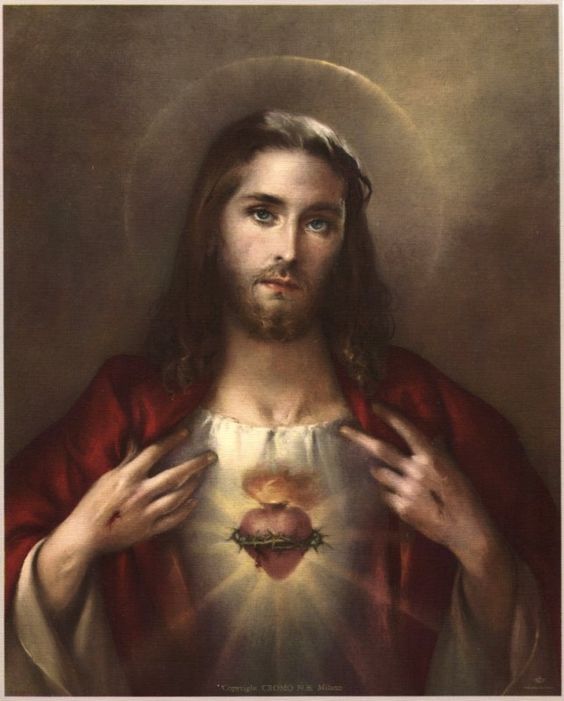
Peggy didn’t waste a lot of time. She expressed sympathy and pulled from a bag at her side something between a folder and a photo frame, and showed it to Grandma.sacred-heart

“We paid our priest to say a special mass for your husband. He was a good Christian man, a strong moral person, and we enrolled him in the Sacred Heart Society in our parish. This is the highest honor anyone can give a good person in our church, short of making them a saint. We want you to have this.” She passed the certificate in its pretty little red frame to Mattie.

Grandma sat a moment, looking at the thing in her hands. Behind her in the doorway to the kitchen my aunts Edna and Lelah drew in back-stiffening breaths. No one moved.

Mattie said, “This is the sweetest thing anyone’s ever done for us. Thank you. I’m gonna put it right here next to his chair.” She set the certificate on the bookshelf that held Grandpa’s glasses and Bible, next to his overstuffed recliner.

Peggy stood, kissed Mattie’s cheek, and ushered her three silent children out. Coleen and I exchanged just one look and we never spoke of that day again.

The day nothing happened, when two people of completely opposing views on how to be a Christian acknowledged each others’ goodness and went on with their lives. When Grandma Mattie went to a nursing home years later and we broke up her housekeeping, that certificate was still sitting on Grandpa’s bookshelf, next to his glasses and Bible.