
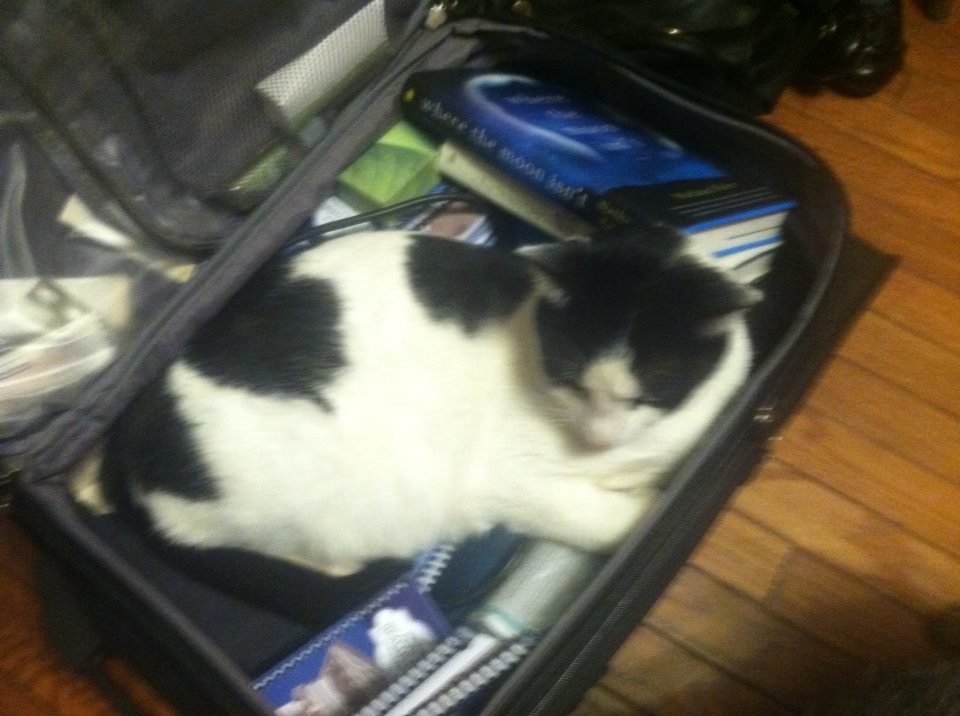
 Part of the fun of the Monday book is how a volume reaches me. We can admit that acquisition sets up expectation –a friend you admire recommends a book, and you track it down. You find an intriguing title in the bargain section of a second-hand shop, and you think, “Nothing to lose.” How you get the book starts you down the path.
So I knew I was in for something good when my editor, Nichole, mailed me this one with the single comment: “This book is very close to my heart.” (She edited the American version.)
Published in the UK as Shock of the Fall, this is a book about mental and physical illness. Matt’s brother, a physically handicapped lad, dies tragically, and it’s pretty much Matt’s accidental fault. Matt loses himself, as does his mom, but they cope and recover in different ways.
Matt’s voice is so clear, his character so well drawn, that I found myself in the happy position of looking forward to bedtime each night, so I could see what happened to the poor kid next.
Nathan Filer’s background as a psychiatric nurse really shows in his writing; he knows whereof he speaks. In fact, the book recently won what used to be called the Whitbread Prize (now Costa) in the UK–which is a BIIIIIIG good thing–and one of the repeated phrases of the judges was how amazingly “sure-footed” the writing is for a first-time novelist.
“Sure-footed” encapsulates what captured me about Moon. You totally believe in Matt as a person, have known people like him, but also get glimpses into what it must be like to realize you have a mental illness, to be self-aware and intelligent about it, and yet still be sick. Brilliant, this book was, at making the strange normal and the normal strange.
Just so you know, Nichole has recommended books to me in the past that I didn’t like, so my glowing review is not because she’s our shared editor. As witness, I present the fuzzy picture at the top of this post. That dark blue book is Where the Moon Isn’t. I took it with me on a recent trip to DC while promoting Little Bookstore (the fuzzy beige book below Moon). See that cat in the suitcase? (Yeah, the fuzzy white thing in the middle.) That’s Owen Meany, named for a book Nichole recommended highly in fairly authoritative terms. I hated A Prayer for Owen Meany, and still do. (Heck, call that a plot?)
So that cat is the only way Owen Meany will ever grace my personal bookshelf, Nichole, but you were right about Moon; it will stay in my heart and mind for a long time.
 Wendy Welch: Books, Yarn, Cats, Opioids