
Box of Delights

Once again Jack gets his guest post in on time – –

When we rearrange things in the house (in fact all the houses we’ve lived in over the last twenty-five years), one thing has always turned up at some point.

I’m often looking through our stashed boxes of old tapes, cassettes, and records for my radio show. I end up searching under beds or in cupboards. When I do there’s always a particular box that emerges, although it doesn’t contain tapes, and it’s not a box I remember ever packing or moving.

It contains all the letters and emails that Wendy and I exchanged when we were ‘stepping out’ – except we were dating by correspondence back then, on opposite sides of the Atlantic: me in Scotland and her in Newfoundland!

The first letters are hand-written and lengthy (we called them ten-pagers because they usually were). Those first ones are charmingly diplomatic and careful. Soft-pitching woo, one might say. Then they turn into letters typed on a computer and become much less careful. One might even venture to say some fairly specific offers are being made. Finally, there are printed out emails, and they’re much shorter and to the point on events of the day, a little less kissing, a little more bitching. Wendy had to type these in a public space, and I was often at my college office, so….

While these are, of course, delightful memories of the heady days of early love, they’re also something of a time capsule. There were big changes in technology over that brief time of a few years in the mid-1990s. I bought my first home computer, so I could get back to writing the more explicit letters!

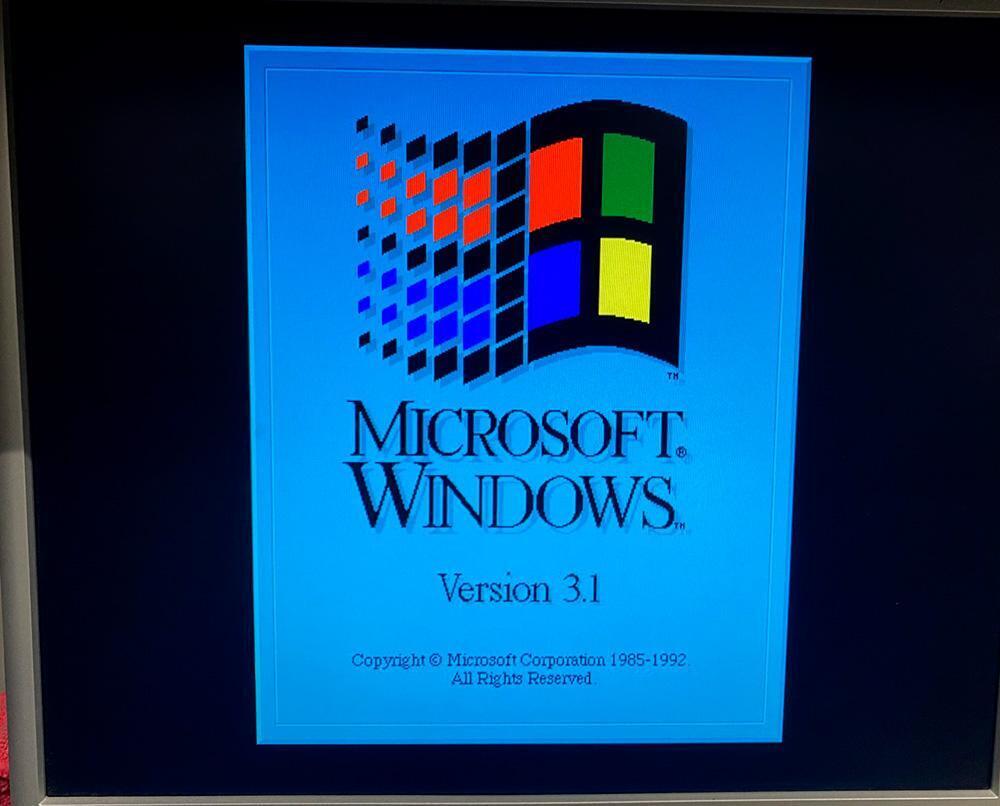
Even after we married, there was no internet as we know it now – no Google, no Facebook, no YouTube. To read or write an email you had to ‘dial-up,’ sometimes going round 4 or 5 phone numbers before connecting and then a strange noise to tell you that you had.

Now we have a car that talks to us, takes us places almost by itself and tells us how well we’ve done when we get there. Wendy and I have been married 26 years, and the other day she texted me from upstairs, and I answered her. Obla dee obla dah life goes on…..

The post title references the book by John Masefield first published in 1935.

Come back next Wednesday for more from Jack

The Monday Book – The Bee Sting by Paul Murray

Guest review by Janelle Bailey, avid reader and always learning; sometimes substitute teaching, sometimes grandbabysitting, sometimes selling books

The Bee Sting by Paul Murray

The Bee Sting by Paul Murray

Filled with contemporary wisdom–well, this reader sees it as that–such as this little ditty, appearing early: “But more important is to read poetry, and write poetry, every day. It doesn’t have to be for long. If just once a day people read a poem instead of picking up their phone, I guarantee you the world would be a better place” (24), The Bee Sting is where I hung out for several days–a couple weeks, actually–and I fully enjoyed my visit.

Initially I added it to my tbr list for its being shortlisted for the 2023 Booker Prize. While it did not win the prize, I can see, I think, why it made it that far.

Some of these characters, maybe especially Cass, took up residence in and for me. Possibly Cass, especially, because she both prompted me to recall my own teenaged self and compare my then-self and owned issues and concerns with hers recalled and also gave me new things to see and think about the students I was (am) still getting to know while substitute teaching and question how it all…”works” and goes, especially with teenaged girls. We may be able to see them and may wish to guide them through the waters of that storm more gracefully, but ultimately: nobody can do it for another. No teenager wants some old substitute teacher to see them that clearly let alone receive any offers of advice or suggestions for improvement. They have to do it themselves. And that, Cass did. What I remain awed by is exactly how or what Paul Murray did to make me care for her so much so quickly. And maybe he did not do it, but I in particular connected to her because of all that I’ve been thinking and that being when Cass showed up. But from the start of the book to its finish, I cared the most, probably, about Cass.

Yet I came to care a little to a lot about all of them–Imelda, Ms Ogle, Dickie, Frank, PJ, Elaine, Big Mike, and others–and each left an impression of some kind. For much of that couple of weeks of reading, I felt as though the bunker was in my own neighborhood, all of them residing very near, as members of my own neighborhood, in part because of their similarities and somewhat generalized characters, perhaps, or their universal storied pasts that make them relateable or similar to real people we know who all have more to their stories, more in their pasts that has contributed to the people they now are.

This does not mean that I “liked” every one of those characters. And I definitely did not exactly “like” the turn the prose took when Imelda’s story began. But I think I understand at least some of the intention behind it. I’d have to visit with other readers to compare notes and learn their thoughts.

The setting is Ireland, a little community a couple of hours from Dublin, and in contemporary times but with layers and layers of the past playing hourly in the lives and motivations of these family members–Cass and PJ the daughter and son of Imelda and Dickie–and how they impact and are impacted by the others near them. Elaine is Cass’s best friend, and Elaine’s dad is Big Mike. Dickie’s car dealership and service shop are going under. This definitely impacts Imelda’s place in the community, but the more we learn about Imelda the more we learn, well…you need to read it. And Ms Ogle might be my favorite character of all because she’s Cass and Elaine’s high school English teacher. And while she plays a bit part–her short-time substitute teacher playing an important role as well–she reflects well on some of my own teacherness, seeing more of students than they may have believed, sharing hopes and dreams for them and their bright futures.

Overall my gut feels the book is longer than it needs to be, that it dwells and repeats in places that make it painfully long. But I also see how important it is to keep readers in the muck long enough to make them “feel” it all, drag them along to experience it as the characters do.

This book will not be for everyone; it is an investment in a lot of ways: emotionally, for sure.

And I, for one, am very glad to have read it.

Come back next Monday for another book review!