
In time honored fashion Jack’s Wednesday guest blog post is a day late –
I continue to be somewhat amazed at how small the world has become, and it’s not just the number of people from far afield who visit our wee bookstore in rural Appalachia – even this week when it was snowing.
Just yesterday I had an email conversation with a gentleman in Rome, Italy called Massimo. It started first thing in the morning with a request for the words of a song I recorded with my old group Heritage on our second album back in the early 1980s. I was intrigued and in a subsequent message he explained he was a big fan and had spent years collecting all the available recordings that I and the group had made over the years. As of this morning there are two CDs he didn’t know about winging their way to him via the USPS and Poste Italiane!
A few weeks ago I was contacted by the presenter of a folk music show that airs on a radio station based in SW Scotland and we have begun to exchange programs. The ones I’m sending him are mostly digitized copies of cassettes that were made of a live show that I did back in the 1990s on a different (and now defunct) station in Scotland. But these cassettes were stored here at WETS which is the station where ‘Celtic Clanjamphry’ is based, because back then I sent them over to be re-broadcast here. So a show that originally went out live to rural Perthshire has gone through a series of different technologies, traveled the Atlantic twice and is being heard by listeners of Folk n’ Stuff over the internet in (among other places) Tallahassee where there are, apparently, a loyal group of fans!
Sticking with the radio theme, I had the great pleasure of interviewing a lovely Irishman called Liam at the WETS studios on Monday morning, who is a visiting professor at ETSU just now, and made a good friend in the process. We concentrated on two themes that are part of his research focus and will also be the subjects of presentations he will make here. One was the importance of the culture of small geographical areas and the other was the challenge of Brexit for Ireland (North and South).
On Tuesday Wendy and I had our guest blog post for the Birthplace of Country Music Museum published and that also has a transatlantic theme.
Meanwhile I continue to fine tune the arrangements for my annual small group tour of Scotland at the end of June, which also entails a fair amount of international communication.
It’s all a mad gay whirl I tell you – – –
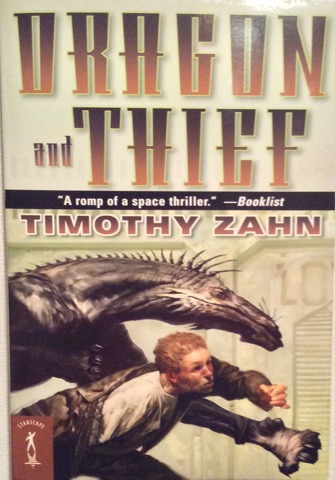 Jack has a secret that he’s been keeping for quite some time. If this secret gets out, he could be in a world of trouble. As it is, he’s already in that – on a whole different world. In a whole different galaxy.
