
Well – Jack’s a day late and a dollar short – again
I have been watching the Netflix series ‘The Crown’ over the last few nights (with strict instructions from Wendy to not spoil it by swearing!).
I should explain that, although I have some admiration for the Queen I have no time at all for the rest of them. I hover somewhere between a Monarch and a President as the figurehead for a democracy and can see the arguments both ways.
But the series does show that the British monarch sits at the top of a privileged establishment pyramid that rules and controls from ‘behind the curtain’, and in my view that’s the problem – always has been and is still.
As for ‘The Crown’?
We’re only part way through, but the most interesting angle for me is the history played out in parallel. The actual domestic stuff is a mixture of truth, gossip, innuendo and guesswork. It’s played well by the actors but in many ways it replays decades of media manipulation by a very hard working establishment.
It’s the stuff around the edge that I find most interesting. The ‘non-political’ Queen connected to lots of political situations. Her weekly audiences with the Prime Minister of the day.
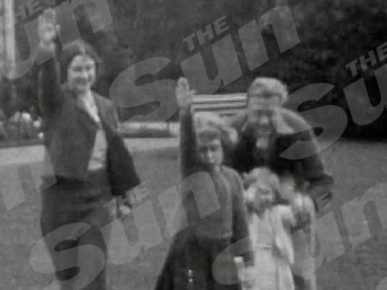
Of course I lived most of my life through all of this – the Suez crisis, the Profumo affair, Churchill, McMillan, Home and Wilson. But I only saw what I was allowed to see! This series is revealing a lot of stuff that was hidden at the time, such as Philip’s link to the Profumo affair and the Nazi connections.
There are some interesting conversations between Elizabeth and Philip around the question – “are you in, or out”. He opted to be in because there was no alternative. The Duke of Windsor tried to get back in, and Princess Margaret opted to stay in, for what seemed to be mostly about the money and the lifestyle.
I will be continuing to watch the series with a mixture of personal memories and a not-so-open mind!
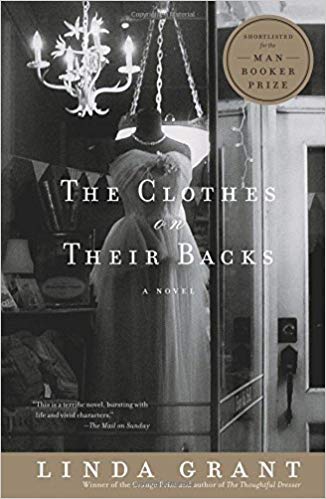 This book was interesting to me less because of its characters than the conundrum it presented, a morality tale of “who’s the good guy and who do you as reader get to judge?”
 Wendy Welch: Books, Yarn, Cats, Opioids