 Now don’t judge me for what I’m about to tell you. Because every one of us who runs a bookstore has had to face this dilemma at one point or another, and if I do say so myself, Jack and I have found a creative and elegant solution.
Bookstores have unsellable books. It happens. 1970s manuals on why the Rapture will be within the next 10 years – reprinted in the 1980s and 1990s. At which point I assume the preacher died and went to his Heavenly Reward. (I’m not cynical, just have a wicked sense of humor and a healthy disrespect for fearmongering versus “This is God. Get to know God. It’s important.”)
Then there are the Arthur Hailey novels, the 1960s Fiction Book of the Month Club, and Thomas Costain.
Costain works the best for our purposes, because his paperbacks are nice and thick. Still, the book club editions stack well.
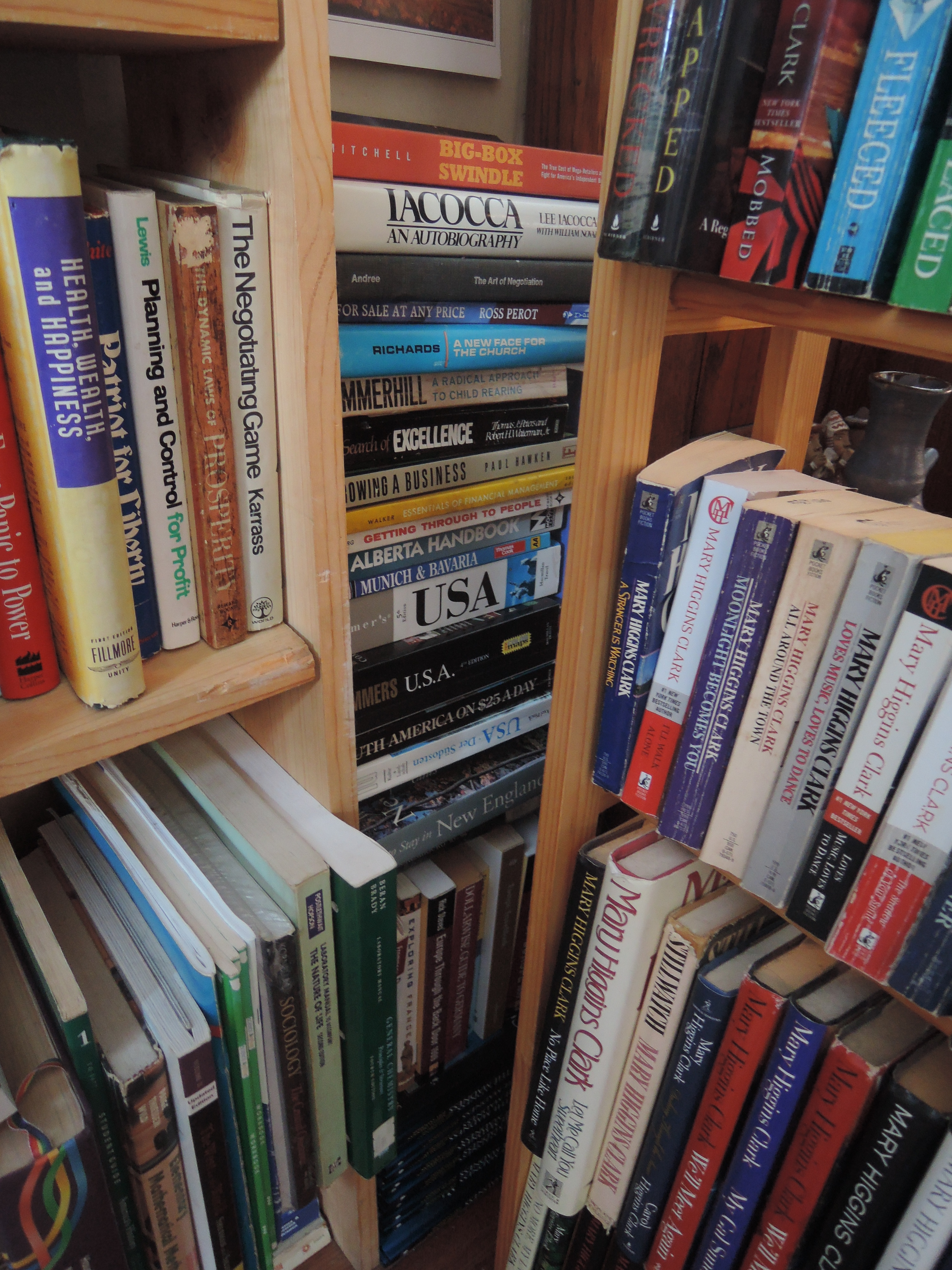
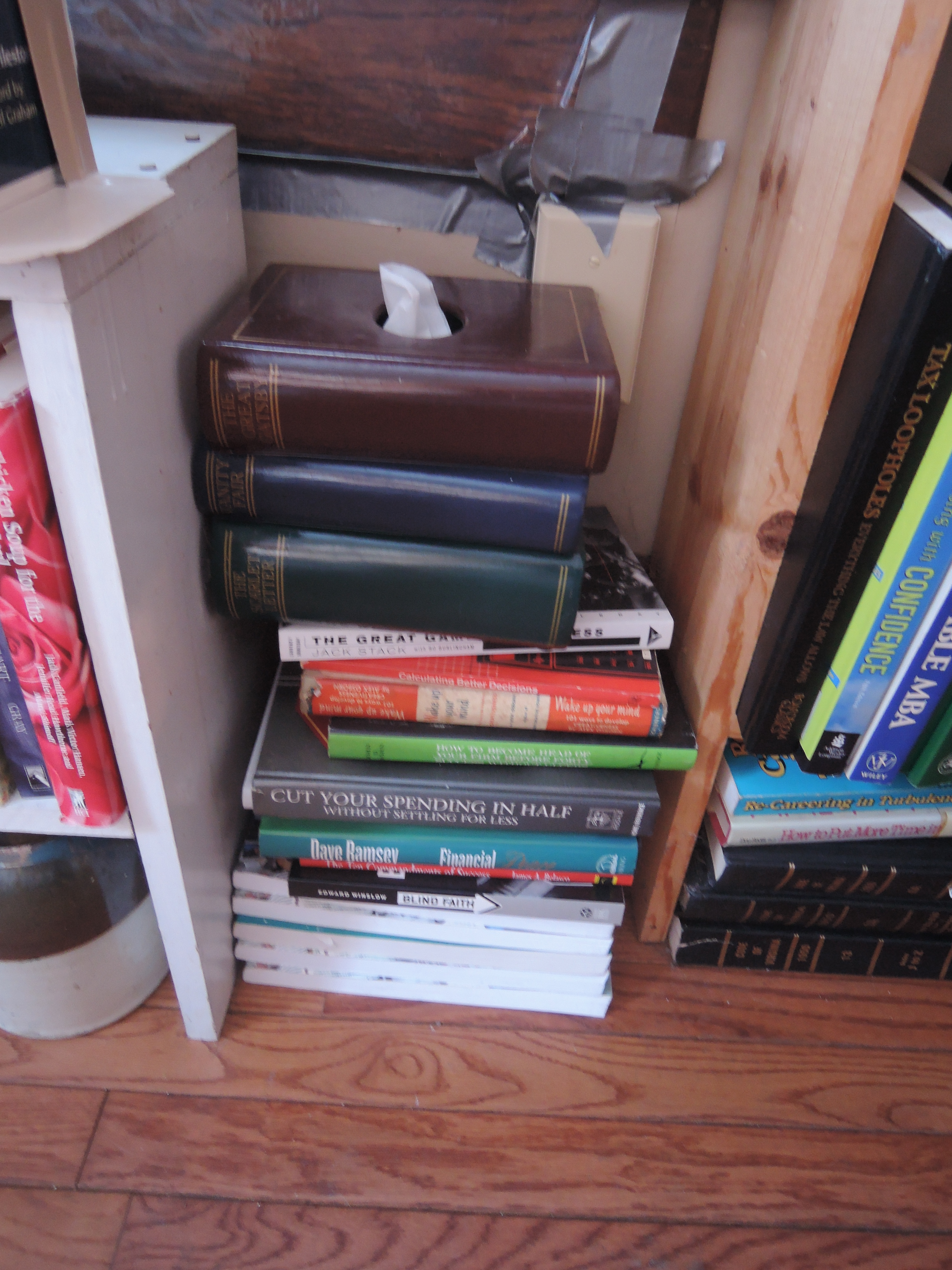 Around the walls. We finally sat down and worked out a solution to “What are we gonna do about our heating bills” for this 1903 drafty monstrosity of a bookstore we live in. We needed to insulate better. What did we have to do it with?
Why hel-LO there, Danielle Steel! Steamy heated love scenes? Perfect for under the windows. We lined all the outer walls of our shop with romances, has-been how-tos, hardback fiction that’s been there, done that, and a few copies of Time Life Big Books.
Thin, those, but nice and tall for the corners.
We got heat, ladies and gentlemen, and those books are getting the dignified retirement they deserve. If someone actually wanted to buy one, I’d have to explain that market value would be determined by the temperature outside, of course. Not that anyone will. These books are elegantly unsellable.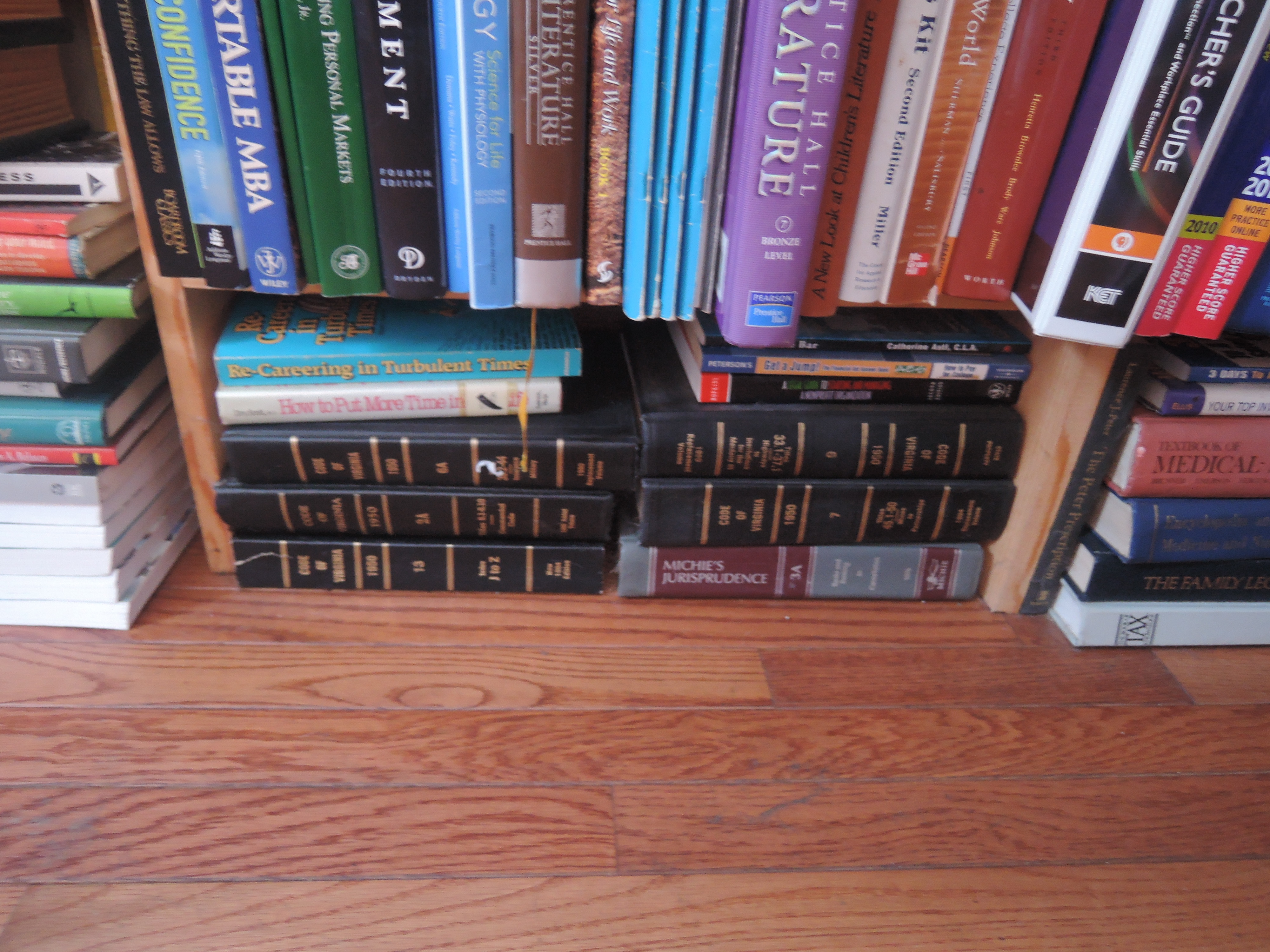
And thick. And weighty. And perfect. We are WARM! Our heating bill is going down. And we culled our shelves. Life is going great in these sub-zero temperatures.
Jack and I live in a house lined with books. Go by, cold world!
 Wendy Welch: Books, Yarn, Cats, Opioids