 About a week ago I realized that our Mancave needed cleaning. We call this the Guys with Big Guns sections, housing Westerns and War novels. It was dusty and hadn’t been culled or realphabzetized in some time.
Dealing with Guys with Big Guns is not something we as Quakers want to spend our time doing. Although we don’t read these genres, we certainly sell a lot of them, so last Saturday, there was nothing for it but to bite the bullet and move in.
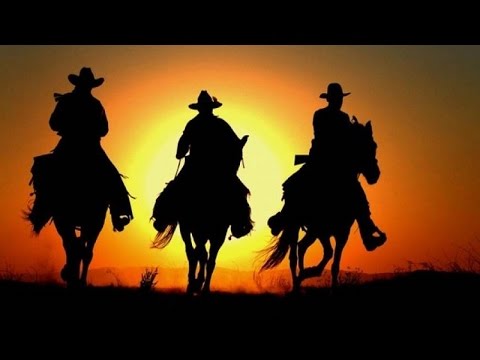
It’s enough to make a bookslinger cynical, I tell ya. First of all, the expressions on the faces of the cover art guys are the same (grimacing with determination). Also their posture: they lean into the action but slightly away from the gun. Yes, they’re all holding guns, but here’s where it differs. Western guys hold six-shooters (I think) while the War people vary: post-apocalytpic weapon of choice is a Bazooka. Go figger. The spy guy ranges from little pistol-ma-bobs to those huge rifle-esque guns you see flashed from the backs of Toyotas in countries where things are not going well.
Guns I don’t know much about; the alphabet I can handle. That’s what I was trying to do, organizing them by author. Some, like Terry or William Johnston(e) or good ol’ Louis L’Amour, move fast. Others go at about the speed of cattle crossing the Great Plains. So it’s important to keep them sorted, but at a certain point, whether First-time Author Hoping to Break Into the Genre or whoever is covering L’Amour these days wrote Shootout at Wherever gets old. Did you know that about half of all Western titles start with Shootout, Gunfight, or Crossing? Go ahead, check it out.
It seems to me that Westerns are Romance for Men. In fact, I once put a bunch of Native American romances back there in the mancave, mixed in with the other Shooters, and sure enough, they got scooped up. A word to whoever is designing the covers: a girl with big heaving bosoms and a guy with gritty determination in his eyes will do; you really don’t have to worry about anything else. Near as I can tell, in the Westerns she heaves in the background as the guy covers her with his big gun, while in the Romances she heaves in the foreground as the guy, again…. Anyway, you get the (cover) picture.
It took several hours, but our Westerns and War sections are now relatively dust-free. Jack did suggest I leave a bit, for atmosphere. “Guys want a little True Grit,” said my husband.
 Wendy Welch: Books, Yarn, Cats, Opioids