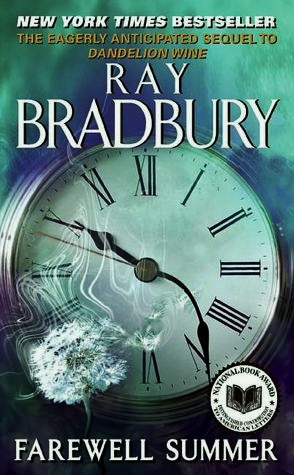
 Bradbury is one of my all-time favorite authors, even though he breaks all the rules of what I normally like to read.
He isn’t about character development or plot, and one of the reasons people have a hard time adapting his books to TV or Movies or Stage Plays (witness The Martian Chronicles and Something Wicked This Way Comes) is that not much happens. What does happen is subtle. I mean, think about it, humans land on Mars and the theme of Chronicles is how it makes humans feel and act to have done that.
When the wind blows in Bradbury’s books, it is action, event, and plot development. His winds don’t blow, they dance, sprinkle the dust of mummies into towns, awaken strangeness, extend foggy hands to pull you into graveyards and make you explore your dark side. They might even slap you off a cliff, but they never just blow. And yet, that’s all that happens for three chapters: Bradbury describes the effect of the wind on people – mostly young boys and those who would force them to return to school at the end of summer: the Evil Old Ones who battle for control of the clocks.
I don’t know any other authors who can write such mundane clichés with so much beauty and elegance, you go back and reread the sentences for the joy of them.
Farewell Summer is actually the sequel to a book I didn’t get into all that much of Bradbury’s, mostly because it was written so much from a boy’s perspective that it left no room for a girl to say “Hey, me too! I want more childhood and to be grown-up at the same time, too!”
But that’s fair enough. How can anyone stay feminist-annoyed at an author who writes such incredible openings as this one in Chapter 19:
Grandpa’s library was a fine dark place bricked with books, so anything could happen there and always did. All you had to do was pull a book from the shelf and open it and suddenly the dark was not so dark anymore.
Yes, okay, just give me some more sentences and let me slide under the spell of his poetry where nothing happens except the wind blows and school lets out for summer. It’s lovely.
 Wendy Welch: Books, Yarn, Cats, Opioids