
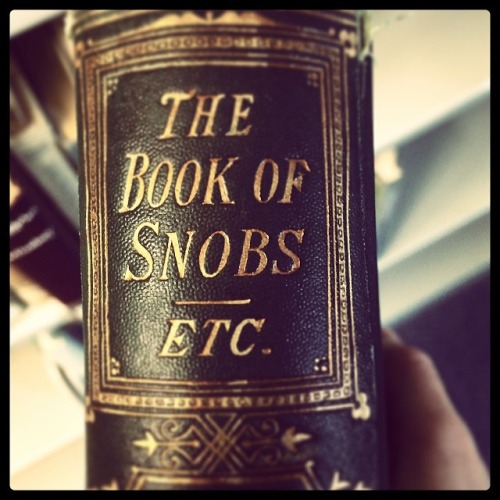
 We installed the Second Story Cafe in our bookstore just over a year ago, and making that possible meant moving things around. Among the stuff that shifted in The Great Upheaval were the Classics, Art, Theatre, and Writing books. They all went upstairs to the place formerly known as “Jack and Wendy’s bedroom,” and spread themselves about in a dignified manner as we tore the rest of upstairs apart, getting the dining room and kitchen set up on either side of them.
Which means they are now isolated up there, poor things, all alone, a little island of thought in a sea of food.
Me being me, I worried. “What if we don’t sell as many? We always sold a lot of Classics before, and now they’ll be the only books up there, isolated, unable to socialize with the other genres ….”
“Steady on, dear!” Jack said. “They’re books, remember? They aren’t living things that think; they provoke thought in living things.”
Jack says our Classics sales may actually have increased since they moved up the stairs. “Perhaps they’ve moved up the ladder as well, getting noticed more.”
Me, I’m thinking that the sweet little students in scruffy hats, and the happy retirees in scruffy coats, who used to buy our Classics don’t eat out much, but maybe when they do, they favor soup. Our Good Chef Kelley makes three soups every day, and I see a lot of the Barricade Brigade up there, not even removing their fingerless gloves as they enjoy soup in the garret while reading Les Miserables.
Come to think of it, I suppose the Classics do feel at home in their new quarters Certainly they no longer have to mix with the riffraff down on the shop’s main floor–the cheap science fiction tramps in beat-up paperbacks; the lurid thriller covers of horror; the demure looking girls, long lashes resting against cheeks as eyes cast down, gracing the covers of the Amish romances.
God save us from the Amish romances…..
No, really, I worried unnecessarily about the “isolation” of Classics upstairs. They’ve been waiting all their life for A Room of Their Own.
They never wanted to socialize with the other genres anyway. Snobs.
 Wendy Welch: Books, Yarn, Cats, Opioids