
Jack hits the mark and gets his guest post in on time – – –
My first stab at presenting a Celtic music show on radio was for the BBC in Glasgow and then I moved to a monthly program for Heartland FM in Pitlochry for a number of years. That live show ended up being recorded on air and sent to WETS FM in Tennessee as part of a reciprocal agreement. Finally, I moved to Big Stone Gap in VA and was fairly quickly invited to present a weekly show for them. That has been going for almost thirteen years and is also now carried by WEHC FM in Emory VA and Alive Radio in Scotland. It’s called Celtic Clanjamphry (ClanJam for short).
Here’s how it gets put together –
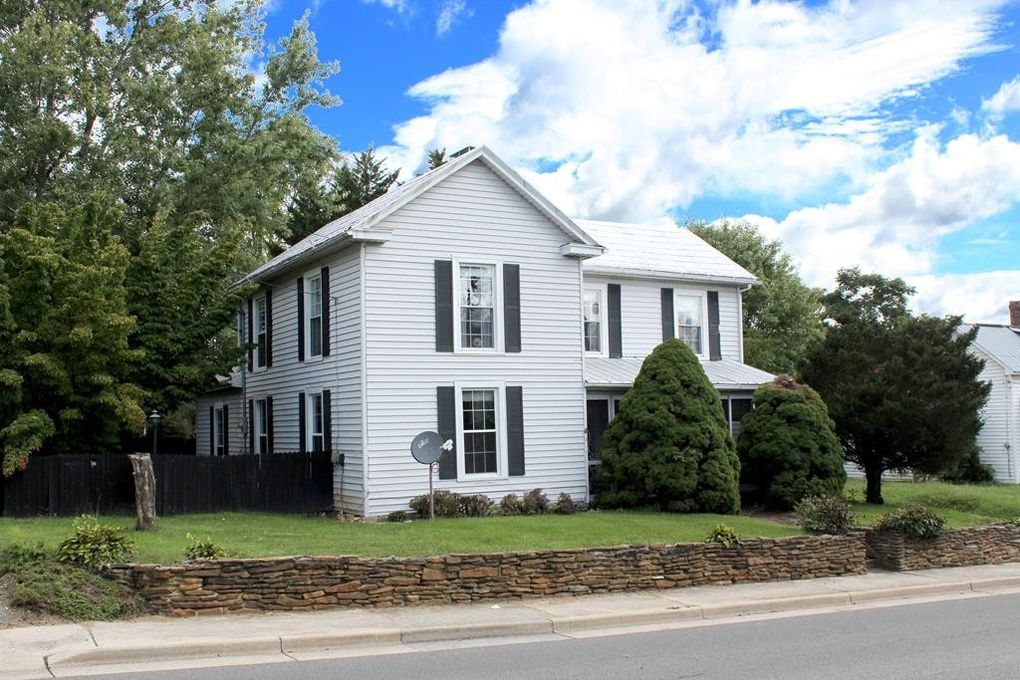
Because I can’t concentrate on working the desk and doing the links between music simultaneously I’ve always had a techy handle the former and had many fine people do that for me over the years. To begin with I’d do the hour and a half drive to the station in Johnson City to pre-record three or four shows at a time, carrying a collection of CDs with all the music arranged in order for each program. But that changed greatly when Wendy and I moved to Wytheville (a much longer drive).
Luckily we’d gotten friendly with Dirk Wiley in Wise and he’s just two hours away and has a very good home studio. He quickly tuned in to my way of working and we were able to move to four and eventually five at a time. Instead of carrying CDs to him I upload folders of music to DropBox and he downloads them ahead of my visit.

But Covid 19 has changed things a bit –
Dirk and I now work at a distance and while he still gets the music ahead of time, He checks and lets me know how many minutes of talk time I have. I do all the uploading of music at my workstation in a corner of our spare room which has my PC, an open reel tape recorder, a cassette recorder and a turntable.

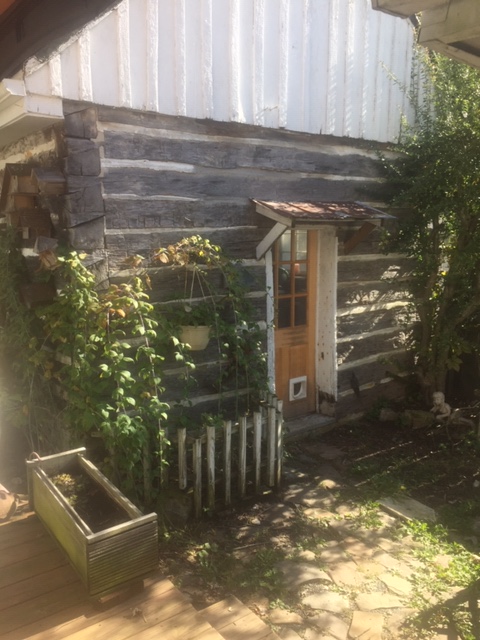
Once I know how many minutes I have it’s time to move to the log cabin in the back yard that used to be the county jail in the 1800s to record the links, the mid show station ident and the short promos that are broadcast during the week ahead of each program. The cabin has thick walls and is well away from any traffic noise!
But it’s not the same as sitting across the desk from Dirk in his studio and blethering back and forward. That always adds a lot to the atmosphere of ClanJams. So now that we’ve all learned more about following the Covid 19 guidelines we think we can safely get back to our usual way of working and both Dirk and I will shortly be sitting, suitably distanced, in the same room – his studio (and the squirrels won’t have to stay quiet in the attic of the jail).

 Wendy Welch: Books, Yarn, Cats, Opioids