 I’m not someone who normally struggles with writing. Making the writing good, that’s different, but producing the words on paper, nope. I was a journalist in my early career, and if there’s one thing such a program of study beats out of you, it’s the whole “tortured artist” game.
We weren’t allowed to have writers block. Words would come or you would go. Journalism is also great training for book writing because it keeps you from feeling you’re saving the world. You are producing infotainment, setting it down for people to read, and tomorrow you’ll do it again, when today’s words are carrying out the coffee grounds or scooping puppy poop. Words is words; even though they can ignite, there are a million more behind where those came from.
In other words, don’t take yourself too seriously and don’t for one minute believe you’re the reason the earth can heal, now that you’re here.
So I’ve never struggled with getting a rough draft down. Until now. For the past two weeks, I’ve been working on just setting out the basics of a story. The whole while, my inner critic has been howling like a banshee, tearing like a panther, raging like a stuck bull.
Usually I’m pretty good at turning off those voices, sotto voice just beneath the surface of creativity: “This is crap; you don’t know what you’re doing; ‘you have made the mistake of thinking everything that happens to you is interesting’ ” (a succinct and heart-sinking sentence sent to Anne Lamott in a rejection letter). As Nora Roberts said, “You can fix anything but a blank page.” I always adhered to that.
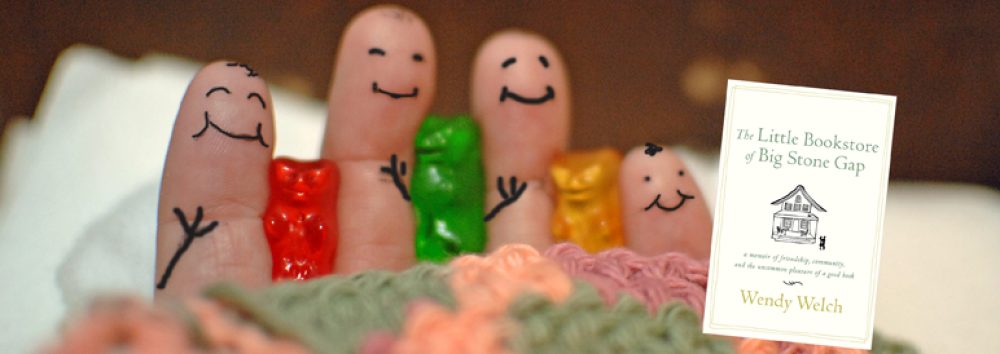
Yet it seems lately as though each finger is burdened with a ghost, clinging as I type, all muttering a non-stop cacophony through which every word can be clearly heard: “You can’t do it. You can’t write any more. This is boring. This is bad grammar. This is bad writing. You are bad.” Tiny little ghosts, grinning an evil grin, unrelenting.
Shut up, I tell them; shut up. I would like to say that, with each word that fights its way out from under the babble, their voices diminish. But they don’t.
So, if this is the new phase of writing I’m entering, the “fight for your life” phase, one might call it, so be it. Eventually the shrieking voices will have to give up out of sheer boredom, I suppose, from being ignored.
But gol-amighty, I wish I knew where they came from so I could send them back there. I’m busy, here, and they’re taking up energy.



 Wendy Welch: Books, Yarn, Cats, Opioids