
 Jack tackles the topic of stress in this week’s guest blog.
When things get a bit fraught around the bookstore, such as when yet another unexpected litter of kittens appears, or we discover a leak under the water heater (Chef Kelley joke there) I only have to think back a few years to put it all into perspective.
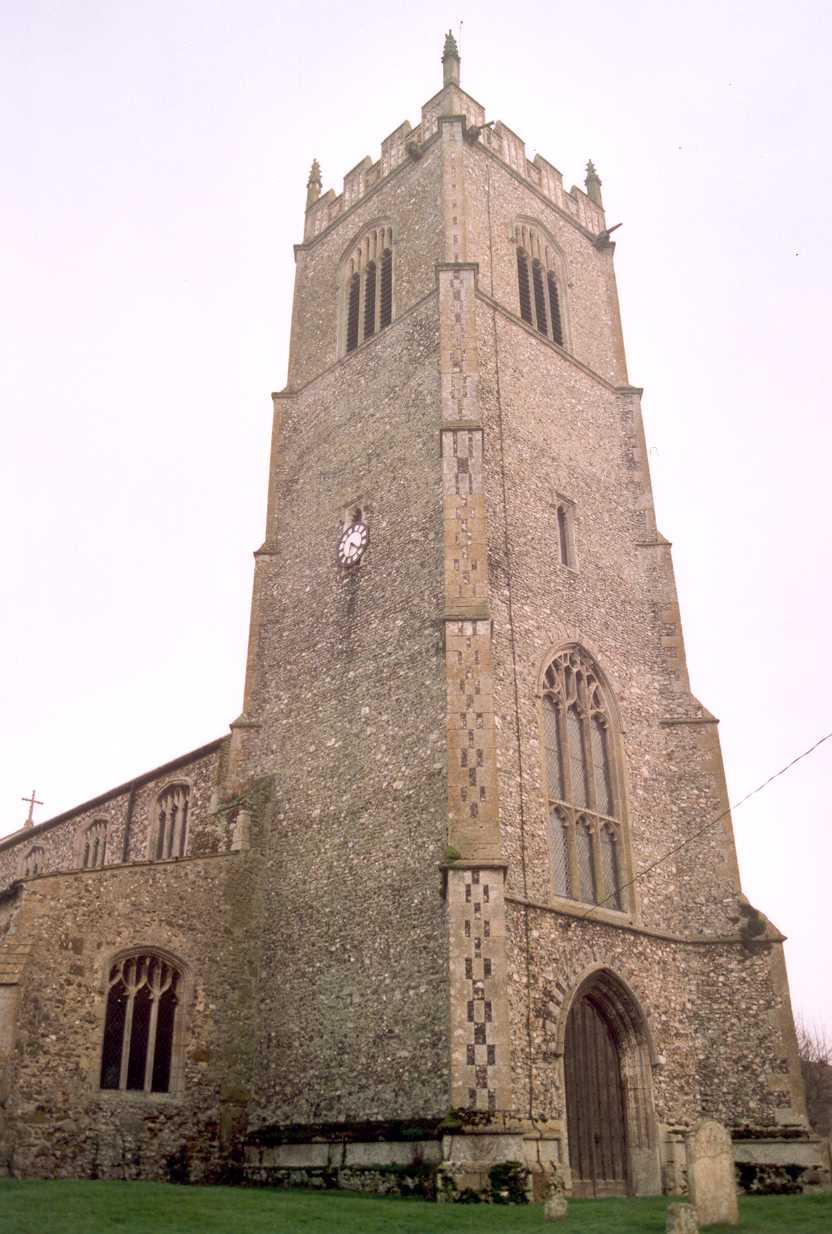
Years ago I was an apprentice painter and decorator in my Dad’s business. Being the boss’s son, I was usually the one to be called on to do the particularly mucky or scary jobs–such as painting the drain pipe running from top to bottom of the bell tower on an old church in Kinross–full height of the pipe about 50 feet, starting more than 200 feet off the ground. On its way down the pipe passed about a foot away from the louvers where the sound of the bells issued.
The trickiest job was of course put off until it was the last thing left, so finally it just had to be done. We assembled our longest three-part wooden ladder with ropes and pulleys that weighed a ton, only to discover it didn’t even reach the bottom of the aforementioned louvers. Nothing daunted, we lashed an extra length of ladder onto the three-parter and that did just get to those pesky sound emitters.
Feeling a little nervous I looked to my two older workmates and realized they were making no moves towards the ladder(s). Sizing up the situation my Dad put his foot on the first rung getting set to put everyone to shame. “Hang on,” I said (after all he was approaching retirement). “I’ll do it.”
So, up I went until the ladder bent in so far, hardly and room remained for my toes against the wall. Still couldn’t reach the whole pipe. Down I came and tied the brush to a length of scrap wood and ascended once more. That got the pipe painted from the ground to about 1/3 of the way up, past the bottom of the louvers.
Pondering on how we’d get the rest done I followed my Dad as he entered the tower and climbed up the stairway until we emerged on the roof, carrying the paint pot and the brush still attached to the scrap wood. We managed the middle next to those blasted louvers; I put my arm out of the nearest opening to the pipe (which I couldn’t see from inside) while my colleagues shouted instructions from the ground – “left a bit, right a bit, up a bit, down a bit.”
That still left the top of the pipe, just below the battlements. I looked over at my dad. He was looking at me in a speculative way, rubbing his chin. A horrible thought struck me….
And that, ladies and gentlemen, is how I found myself shortly afterwards dangling upside down outside the tower between two battlements with my Dad holding my ankles while I stretched as far as I could with the extended brush.
Once you’ve been suspended upside down 50 feet off the ground by your ankles, there’s not much that happens in a bookstore that can faze you. I remind myself of this as I play with our new foster kittens.
Epilogue: Years later Wendy and I were visiting my elderly Mum and sharing stories about my by-then- deceased Dad. I was certain she would never have known about the Church tower, but I had hardy started when she began chuckling. “I knew about that before you got home, Son. Don’t think I didn’t speak to your father about it, either!” Her chuckle erupted into laughter. Let that be a lesson to you; don’t think your Momma don’t know!
 Wendy Welch: Books, Yarn, Cats, Opioids