Heating With Books

books 010Now don’t judge me for what I’m about to tell you. Because every one of us who runs a bookstore has had to face this dilemma at one point or another, and if I do say so myself, Jack and I have found a creative and elegant solution.

Bookstores have unsellable books. It happens. 1970s manuals on why the Rapture will be within the next 10 years – reprinted in the 1980s and 1990s. At which point I assume the preacher died and went to his Heavenly Reward. (I’m not cynical, just have a wicked sense of humor and a healthy disrespect for fearmongering versus “This is God. Get to know God. It’s important.”)

Then there are the Arthur Hailey novels, the 1960s Fiction Book of the Month Club, and Thomas Costain.

Costain works the best for our purposes, because his paperbacks are nice and thick. Still, the book club editions stack well.
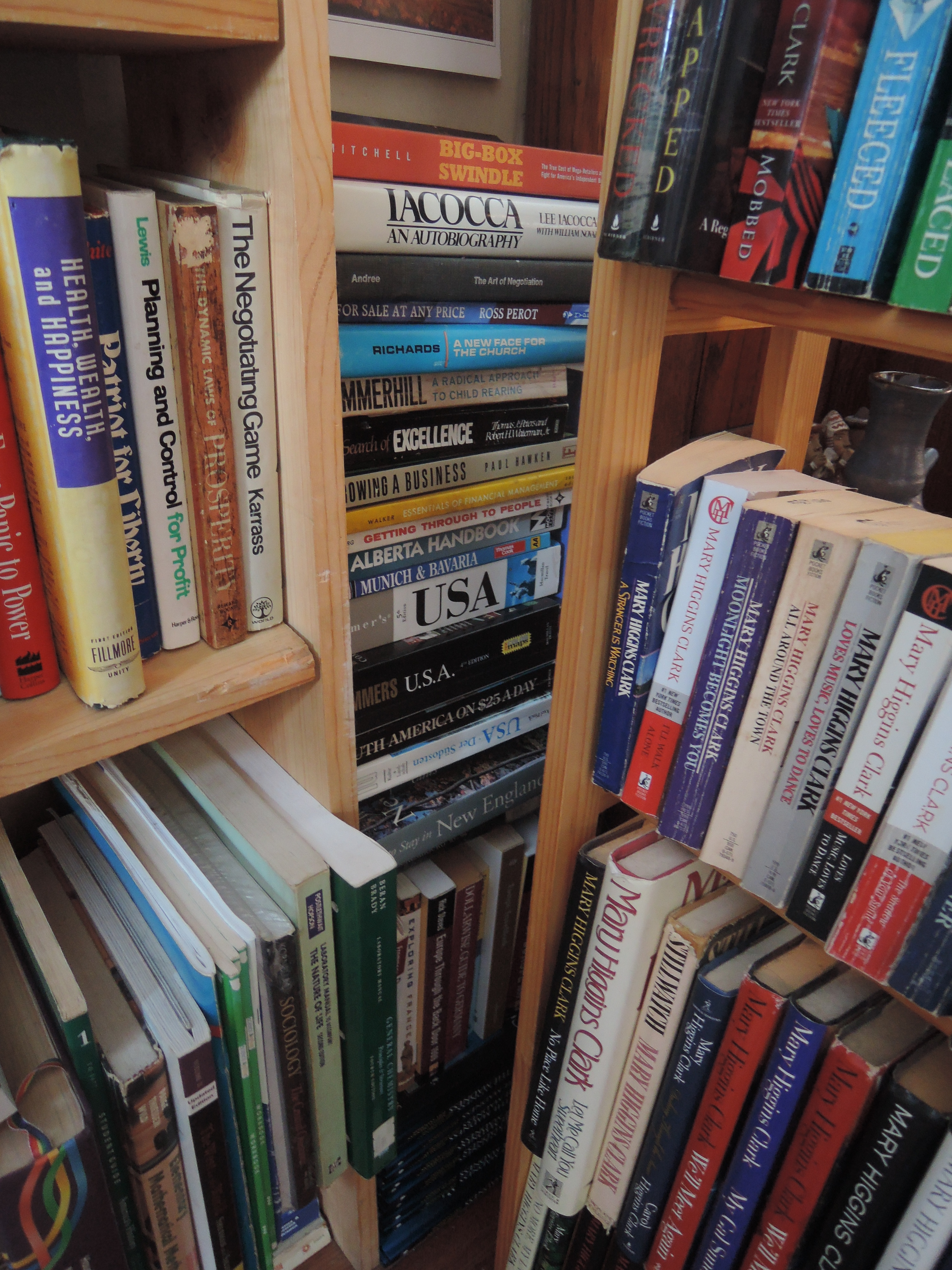
books 009Around the walls. We finally sat down and worked out a solution to “What are we gonna do about our heating bills” for this 1903 drafty monstrosity of a bookstore we live in. We needed to insulate better. What did we have to do it with?

Why hel-LO there, Danielle Steel! Steamy heated love scenes? Perfect for under the windows. We lined all the outer walls of our shop with romances, has-been how-tos, hardback fiction that’s been there, done that, and a few copies of  Time Life Big Books.

Thin, those, but nice and tall for the corners.

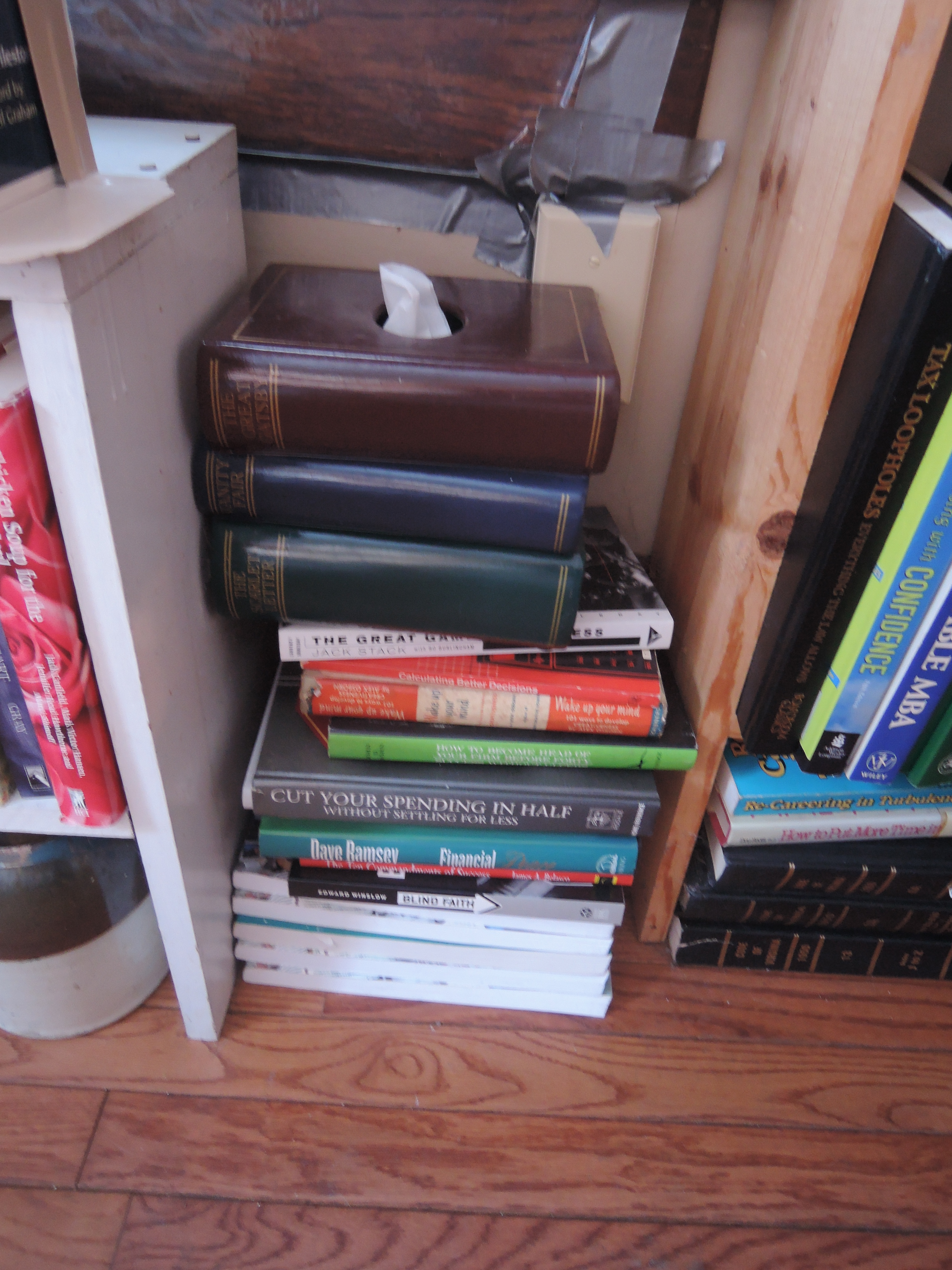
We got heat, ladies and gentlemen, and those books are getting the dignified retirement they deserve. If someone actually wanted to buy one, I’d have to explain that market value would be determined by the temperature outside, of course. Not that anyone will. These books are elegantly unsellable.books 008
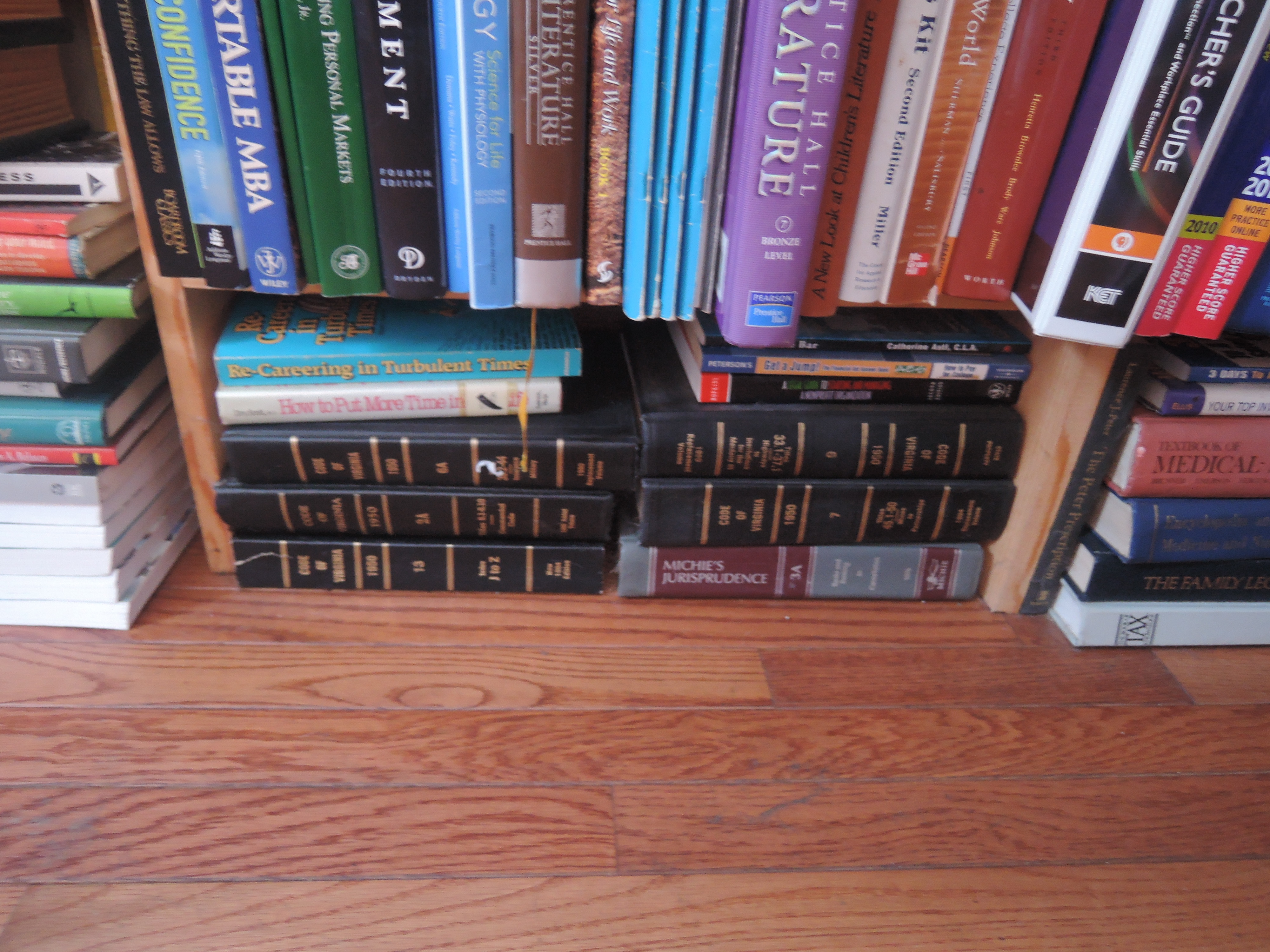
And thick. And weighty. And perfect. We are WARM! Our heating bill is going down. And we culled our shelves. Life is going great in these sub-zero temperatures.

Jack and I live in a house lined with books. Go by, cold world!

Think Pretty Maids how you Court Young Men

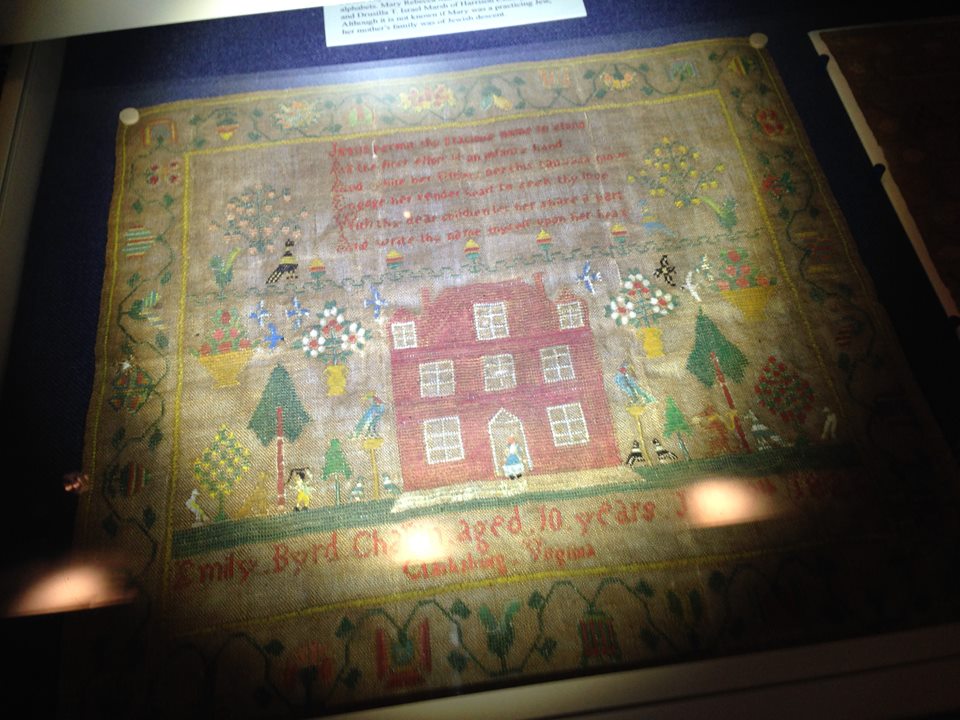
Jack and I swung past Colonial Williamsburg on our way home from DC, as neither of us had visited before. And guess what… they were having a Southern Textiles display!

Poor Jack – it was his birthday and all, but he passed a pleasant hour in the mental hospital exhibit while I went, stitch by stitch, through the museum with the curator, who was delighted to have someone who liked needlework with which to discuss its intricacies.

But there was one piece Jack and I could both enjoy before he left – this quilt from the early 1800s, done by a lady with eleven children. Three of her quilts, all gifts to her kids when they got married, hung in the exhibit. After viewing this one, all I can say is, she must not have liked her daughter’s chosen husband.

pretty maids courtingThat girl definitely looks dubious, and if Jack had courted me hunched over and grabby like that, things would have turned out different.

Come all you fair and tender ladies

Take warning how you court young men…….

It’s a ballad Jack and I sing often when teaching Transatlantic balladry, as versions are found in the British Isles and the Appalachian Mountains. And it definitely applies to this poor child. The exhibit never told how those marriages ended, but I was reminded of the short story A Jury of her Peers. This is the piece in the literature textbook that every school child in America remembers as “that quilt story about the murder.”

Two women come to the house of a third who may or may not have murdered her husband, and as their husbands tramp about looking for clues, they discover via her quilting that she did it, because her husband killed her beloved pet. And they hide the fact from their husbands, who have been condescending to them about their wanting to take the piece work to the jailed woman, so she’d have something to do. It’s like that other great short story Lamb to the Slaughter, where the cops eat the evidence (woman kills her adulterous husband with a frozen leg of lamb, then cooks it up for the investigators) because they can’t expect a woman to 1) kill and 2) be smart enough to cover it up.

I love textiles. And one of the best parts of the visit was talking to the guide about the division between samplers that had religious poems–of which there were many–versus nature scenes in them. I speculated that the girls who did animals may have been of a slightly rebellious nature, tomboys, and she shot me a shrewd look.

sampler“I actually speculate that it was the other way ’round and the roughest girls were set pieces with the strictest verses,” she said. “Look at this one.” She pointed out a sampler about devotion and piety, very badly stitched. “This kid was pretty much sabotaging her own work, more power to her.”

Attagirl, girls. I love the power of women in subtle things – since the 1600s, when life hands us needles, we jab them into that which annoy us. :]